Lepechinia glomerata
Lepechinia glomerata · Accepted scientific name
Scientific literature: Very Sparse (19 studies) · ★☆☆☆☆
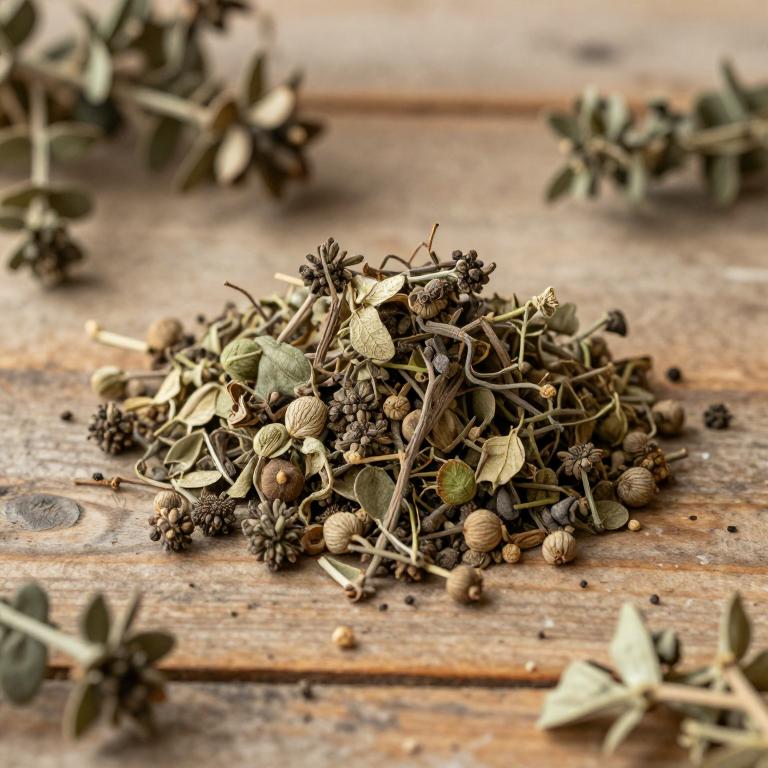
, scientifically known as Lepechinia glomerata, is a medicinal plant valued for its diverse therapeutic properties. Often utilized in traditional herbal practices, this species is recognized for its potential antioxidant and anti-inflammatory benefits. Exploring its phytochemical composition offers valuable insights into developing natural treatments for various health conditions.
- Family
- Not available
- Native range
- Northern America
- Parts used
- Not available
- Common names
- Not available
- Scientific synonyms
- Not available
Names and Synonyms
Scientific Names
Accepted name
Lepechinia glomerataDistribution
This plant is primarily found within a specific regional range in North America. Its geographical distribution is concentrated in the southwestern portion of Mexico. Within this territory, it thrives in the unique environmental conditions characteristic of that area. Consequently, researchers looking for this species should focus their efforts on the Mexican Southwest. This localized presence defines the natural habitat where the species can be identified.
| Region | Area |
|---|---|
| Mexico | Mexico Southwest |
Sources: The World Checklist of Vascular Plants (WCVP)
Botanical Identification
Life history
The life history of Lepechinia glomerata is characterized by its specific growth strategies and structural classifications within its ecosystem. In terms of its architectural life form, the species is classified as a phanerophyte, indicating that its perennating buds are located well above the ground level on aerial shoots. Furthermore, it exhibits characteristics of a nanophanerophyte, a sub-classification that describes plants with relatively short woody stems where the buds remain elevated above the soil surface but stay within a low-growth stature. This combination of traits allows the plant to maintain perennial structures that can withstand seasonal fluctuations while occupying specific niche layers in its habitat.
- Life form :
- nanophanerophyte
- Life form :
- phanerophyte
Morphology
The morphology of Lepechinia glomerata is characterized by its distinct growth habit and structural composition. This species functions as a self-supporting climber, possessing the structural integrity to ascend without the strict necessity of external hosts for vertical movement. Despite its climbing nature, it maintains an independent life cycle, functioning as a non-parasitic organism that does not rely on a host for nutrients. Furthermore, it is a terrestrial plant rather than an epiphyte, rooting in the ground to establish its presence in the ecosystem. In terms of its physical texture and structural durability, the plant exhibits a woody nature, providing the necessary firmness to support its climbing development.
- Climber :
- self-supporting
- Epiphyte :
- terrestrial
- Parasite :
- independent
- Woodiness :
- woody
Sources: Global Inventory of Floras and Traits (GIFT)
Chemicals
Lepechinia glomerata has 1 reported phytochemicals identified across 0 scientific publications and several other databases. The most consistently reported chemicals include betulinic acid.
| Chemical | Supporting sources | Consensus |
|---|---|---|
| betulinic acid | 1 supporting sources | ★☆☆☆☆ |
betulinic acid
- Dr. Duke
Activities
Lepechinia glomerata has 18 reported activities identified across 0 scientific publications and several other databases. The most consistently reported activities include Anthelmintic, AntiHIV, Antibacterial, Anticancer, Anticarcinomic.
| Activity | Supporting sources | Consensus |
|---|---|---|
| Anthelmintic | 1 supporting sources | ★☆☆☆☆ |
| AntiHIV | 1 supporting sources | ★☆☆☆☆ |
| Antibacterial | 1 supporting sources | ★☆☆☆☆ |
| Anticancer | 1 supporting sources | ★☆☆☆☆ |
| Anticarcinomic | 1 supporting sources | ★☆☆☆☆ |
| Antiedemic | 1 supporting sources | ★☆☆☆☆ |
| Antiinflammatory | 1 supporting sources | ★☆☆☆☆ |
| Antileukemic | 1 supporting sources | ★☆☆☆☆ |
| Antimalarial | 1 supporting sources | ★☆☆☆☆ |
| Antimelanomic | 1 supporting sources | ★☆☆☆☆ |
Anthelmintic
- Dr. Duke
AntiHIV
- Dr. Duke
Antibacterial
- Dr. Duke
Anticancer
- Dr. Duke
Anticarcinomic
- Dr. Duke
Antiedemic
- Dr. Duke
Antiinflammatory
- Dr. Duke
Antileukemic
- Dr. Duke
Antimalarial
- Dr. Duke
Antimelanomic
- Dr. Duke