Alpine Edelweiss
Leontopodium nivale subsp. alpinum · Accepted scientific name
Scientific literature: Very Sparse (6 studies) · ★☆☆☆☆
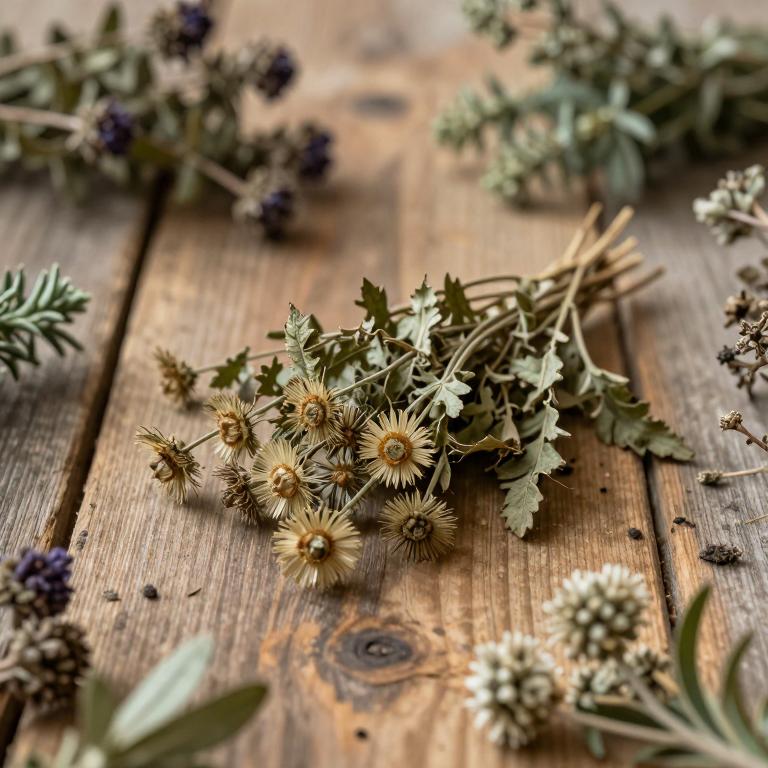
Alpine Edelweiss, scientifically known as Leontopodium nivale subsp. alpinum, is a resilient perennial herb found in high-altitude rocky terrains. Renowned for its woolly, star-shaped white bracts, this rare botanical treasure holds significant ethnobotanical value, traditionally utilized in folk medicine for its potential antioxidant and anti-inflammatory medicinal properties.
- Family
- Asteraceae
- Native range
- Europe
- Parts used
- Leaf · Rhizome
- Common names
- Alpine Edelweiss
- Scientific synonyms
- Leontopodium Alpinum Var. Perinicum · Filago Krasensis · 11 more
Names and Synonyms
Common Names
- Alpine Edelweiss
Scientific Names
Accepted name
Leontopodium nivale subsp. alpinumSynonyms
- Leontopodium alpinum var. perinicum
- Filago krasensis
- Leontopodium leontopodium
- Antennaria leontopodium
- Filago leontopodium
- Filago stellata
- Gnaphalium krasense
- Gnaphalium leontopodium
- Leontopodium helveticum
- Leontopodium pirinicum
- Leontopodium pulchellum
- Leontopodium umbellatum
- Simlera alpina
Regional and Traditional Names
German:
- Gewöhnliches Alpen-Edelweiß
French:
- Édelweiss des Alpes
Sources: Wikidata, Catalogue of Life
Taxonomical Classification
This plant belongs to the kingdom Plantae within the phylum Streptophyta and is classified under the class Equisetopsida and subclass Magnoliidae. It falls under the order Asterales and is a member of the Asteraceae family. Specifically, it is identified by the genus Leontopodium as the subspecies alpinum.
| Rank | Classification |
|---|---|
| Kingdom | Plantae |
| Phylum | Streptophyta |
| Class | Equisetopsida |
| Subclass | Magnoliidae |
| Order | Asterales |
| Family | Asteraceae |
| Genus | Leontopodium |
Sources: The World Checklist of Vascular Plants (WCVP)
Distribution
This plant is primarily located within the mountainous regions of Middle Europe. Its distribution spans several countries, including Austria and Germany, where it thrives in specific high-altitude habitats. It can also be found across the border regions of Czechia and Slovakia. Furthermore, its presence extends into the landscapes of Poland and Hungary. Together, these locations define the specific European range of this subspecies.
| Region | Area |
|---|---|
| Middle Europe | Austria |
| Middle Europe | Czechia-Slovakia |
| Middle Europe | Germany |
| Middle Europe | Hungary |
| Middle Europe | Poland |
| Middle Europe | Switzerland |
| Southwestern Europe | France |
| Southwestern Europe | Spain |
| Southeastern Europe | Albania |
| Southeastern Europe | Bulgaria |
Sources: The World Checklist of Vascular Plants (WCVP)
Plant Parts
Leontopodium nivale subsp. alpinum has 3 reported plant parts identified across 3 scientific publications and several other databases that are studied for medicinal purposes. The most consistently reported plant part include leaf, rhizome, root.
| Plant part | Supporting sources | Consensus |
|---|---|---|
| Leaf | 1 supporting sources | ★☆☆☆☆ |
| Rhizome | 1 supporting sources | ★☆☆☆☆ |
| Root | 1 supporting sources | ★☆☆☆☆ |
Leaf
- Frontiers in microbiology
Rhizome
- Frontiers in microbiology
Root
- Frontiers in microbiology
Chemicals
Leontopodium nivale subsp. alpinum has 1 reported phytochemicals identified across 3 scientific publications and several other databases. The most consistently reported chemicals include Emestrin.
| Chemical | Supporting sources | Consensus |
|---|---|---|
| Emestrin | 1 supporting sources | ★☆☆☆☆ |
Emestrin
- ACS omega