Leonotis ocymifolia var. raineriana
Leonotis ocymifolia var. raineriana · Accepted scientific name
Scientific literature: Very Sparse (1 studies) · ★☆☆☆☆
Leonotis ocymifolia var. raineriana is a specialized botanical variety recognized for its significant medicinal potential. Research indicates that the plant possesses potent antiplasmodial activities, making it a subject of interest in pharmacological studies. Specifically, ethanolic extracts derived from the leaves have demonstrated efficacy in addressing serious health concerns. These preparations are primarily studied for their ability to combat conditions such as malaria. Furthermore, the plant's leaf extracts are utilized in traditional and experimental contexts to alleviate symptoms like headaches.
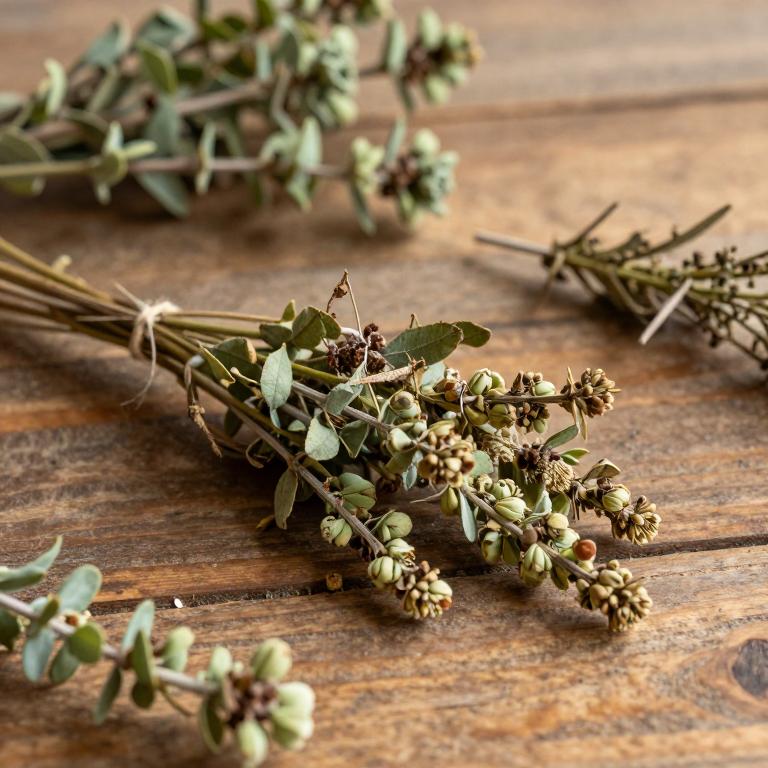
- Synonyms
- Leonotis Spectabilis · Leonotis Velutina Var. Raineriana · 30 more
- Common names
- Not available
- Family
- Lamiaceae
- Distribution
- Not available
- Plant Parts
- Leaf
Classification
Common Names
Leonotis ocymifolia var. raineriana is a distinctive botanical variety known widely by its common name, Broadleaf Lionspaw. This plant is celebrated for its unique structural features and vibrant presence in natural landscapes. As a specific cultivar, it maintains a close taxonomic relationship to the broader Leonotis species. Gardeners and enthusiasts often seek it out to add architectural interest to their collections. Understanding these botanical connections helps enthusiasts appreciate the specific beauty of the Broadleaf Lionspaw.
Sources: Catalogue of Life (COL)
Synonyms
Leonotis ocymifolia var. raineriana is a complex botanical entity that is associated with several distinct taxonomic synonyms. Within various scientific records, this specific variety has been identified under the name Leonotis bachmannii. It is also frequently linked to the nomenclature of Leonotis brevipes and Leonotis dinteri. Furthermore, the plant's classification history includes references to Leonotis dysophylla. Finally, researchers have historically recognized Leonotis elliotii as another synonym tied to this particular variety.
Sources: The World Checklist of Vascular Plants (WCVP)
Taxonomy
Leonotis ocymifolia var. raineriana is a specialized botanical variety belonging to the vast kingdom Plantae. Within this kingdom, it is classified under the class Equisetopsida, marking its place among the vascular plants. This plant is further organized into the order Lamiales, which helps define its evolutionary lineage. It specifically resides within the genus Leonotis, showcasing its unique morphological characteristics. Finally, its botanical identity is completed by its membership in the diverse Lamiaceae family.
| Rank | Classification |
|---|---|
| Kingdom | Plantae |
| Phylum | Streptophyta |
| Class | Equisetopsida |
| Subclass | Magnoliidae |
| Order | Lamiales |
| Family | Lamiaceae |
| Genus | Leonotis |
Sources: The World Checklist of Vascular Plants (WCVP)
Distribution
Geographic Regions
Leonotis ocymifolia var. raineriana is a distinct botanical variety primarily concentrated within the diverse landscapes of the African continent. Its natural range extends across East Tropical Africa, where it can be found thriving in Kenya, Tanzania, and Uganda. Furthermore, the plant reaches into the Northeast Tropical regions, establishing itself within the unique ecosystems of Eritrea. This distribution pattern highlights its adaptability to the varied climates found throughout these specific African territories. Ultimately, understanding these geographic relationships provides essential insight into the ecological niche this variety occupies.
Sources: The World Checklist of Vascular Plants (WCVP)
Identification
Biological Activities
Leonotis ocymifolia var. raineriana represents a significant subject of interest within the search for effective antimalarial treatments. Research into traditional medicinal plants in Embu County, Kenya, has highlighted the potential of various species to combat malaria parasites. Specifically, studies investigating these botanical extracts aim to find alternatives to conventional drugs that often carry high costs and adverse side effects. While different species show varying levels of efficacy, the exploration of plants like those in the Leonotis genus contributes to the broader understanding of antiplasmodial activity. Ultimately, identifying such bioactive plants is a crucial step toward developing accessible and safe pharmacotherapies for malaria management.
Compounds
Conditions
Leonotis ocymifolia var. raineriana serves several significant medicinal purposes within traditional healing practices. This specific plant is utilized for its ability to treat headaches effectively. Additionally, it is employed as a remedy for various inflammatory diseases. The plant also possesses properties that allow it to be used in the treatment of malaria. These diverse therapeutic applications highlight its importance in managing different health conditions.
Preparations
Leonotis ocymifolia var. raineriana is prepared as ethanolic extracts to facilitate medicinal screening. This specific variety is also prepared as leaves for various applications. The use of these leaves allows for the creation of specialized ethanolic extracts. These preparation methods are essential for studying the plant's properties. Consequently, both the leaf form and the ethanolic extract form are key components of this plant's profile.
Parts used
Leonotis ocymifolia var. raineriana is a plant species specifically identified by its use of the leaf in various botanical applications. While research into medicinal plants offers a promising avenue for treating malaria, the specific utilization of this variety focuses on its foliar components. The study of such plant parts is essential for discovering cost-effective and accessible alternatives to conventional antimalarial drugs. By examining the different parts of these species, scientists can better understand their potential bioactive properties and safety profiles. Consequently, identifying the specific parts used, such as the leaf, is a critical step in developing new pharmacotherapies.