Leonotis nepetifolia var. africana
Leonotis nepetifolia var. africana · Accepted scientific name
Scientific literature: Very Sparse (0 studies) · ★☆☆☆☆
Leonotis nepetifolia var. africana is a distinctive herbaceous plant known for its striking orange floral structures and significant ethnobotanical importance. Within various scientific investigations, this specific variety has become a subject of intense interest due to its complex phytochemical profile. Researchers frequently employ dichloromethane extracts to isolate and analyze the potent bioactive compounds contained within its tissues. These specialized preparations allow for a deeper understanding of the plant's potential therapeutic properties and chemical constituents. Consequently, studying these extracts provides essential insights into the medicinal value of this widespread African species.
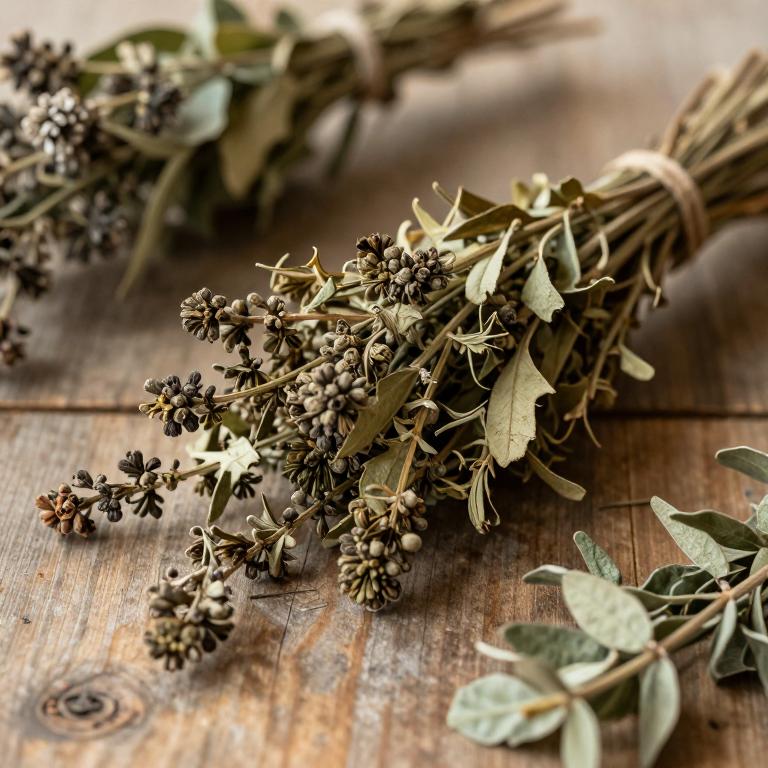
- Synonyms
- Phlomis Pallida · Phlomis Africana · 2 more
- Common names
- Not available
- Family
- Lamiaceae
- Distribution
- Not available
- Plant Parts
- Not available
Classification
Common Names
Leonotis nepetifolia var. africana is a striking botanical specimen known widely by its English common name, Yellow Lionears. In Thailand, this vibrant plant is affectionately referred to by the local name ฉัตรพระอินทร์เหลือง. Both names reflect the unique visual appeal of its bright, tubular flowers that command attention in any garden. Whether identified by its western or eastern moniker, the plant remains a significant subject for enthusiasts of exotic flora. Understanding these diverse naming conventions helps gardeners better appreciate the global presence of this beautiful species.
Sources: Catalogue of Life (COL)
Synonyms
Leonotis nepetifolia var. africana is a botanical subject characterized by a complex web of taxonomic synonyms. Within scientific literature, this specific variety is frequently identified by the name Leonotis africana. It is also recognized under the synonym Leonotis pallida, reflecting different historical classifications. Furthermore, the plant has been documented as Phlomis africana in various botanical records. Finally, the name Phlomis pallida serves as another synonymous designation for this diverse species.
Sources: The World Checklist of Vascular Plants (WCVP)
Taxonomy
Leonotis nepetifolia var. africana is a unique botanical specimen that belongs to the vast kingdom Plantae. Within this biological classification, it is organized under the class Equisetopsida. The plant further belongs to the order Lamiales, showcasing its specific evolutionary lineage. It is a distinguished member of the genus Leonotis, which helps researchers identify its distinct characteristics. Finally, its placement within the family Lamiaceae connects it to a diverse group of aromatic and ecologically significant species.
| Rank | Classification |
|---|---|
| Kingdom | Plantae |
| Phylum | Streptophyta |
| Class | Equisetopsida |
| Subclass | Magnoliidae |
| Order | Lamiales |
| Family | Lamiaceae |
| Genus | Leonotis |
Sources: The World Checklist of Vascular Plants (WCVP)
Distribution
Geographic Regions
Leonotis nepetifolia var. africana is a botanical variety with an expansive presence across the African continent. Its native range spans much of East Tropical Africa, including the territories of Tanzania and Uganda. Moving toward the northern regions, the plant is also widely distributed throughout Northeast Tropical Africa. This specific variety can be found thriving in the landscapes of Chad, Eritrea, and Ethiopia. Such a broad geographic footprint highlights the adaptability of this species within diverse African ecosystems.
Sources: The World Checklist of Vascular Plants (WCVP)
Identification
Biological Activities
Compounds
Conditions
Leonotis nepetifolia var. africana is recognized as one of the plants traditionally used in Gabon to treat malaria symptoms. In laboratory testing, the dichloromethane extract of this species demonstrated moderate antiplasmodial activity against chloroquine-resistant strains of Plasmodium falciparum. The plant showed an IC₅₀ value ranging between 10 and 40 μg/ml during these in vitro evaluations. Furthermore, it exhibited a favorable selectivity index of approximately 28.89, indicating low cytotoxicity to human cells. These findings support the traditional use of the plant and its potential as a source for new antimalarial agents.
Preparations
Leonotis nepetifolia var. africana is prepared as dichloromethane extracts to evaluate its medicinal potential. These specific extracts were tested for their in vitro antiplasmodial activity against chloroquine-resistant strains of Plasmodium falciparum. The research indicated that the dichloromethane extracts of this plant demonstrated moderate activity. Specifically, the study recorded an IC₅₀ value ranging between 10 and 40 μg/ml. Furthermore, the plant showed a selectivity index of approximately 28.89 during the assessment.