Leea alata
Leea alata · Accepted scientific name
Scientific literature: Very Sparse (5 studies) · ★☆☆☆☆
Leea alata is a versatile botanical species known for its significant pharmacological potential. Research indicates that its leaves and stems possess diverse medicinal activities, including antibacterial, antimicrobial, antipyretic, and antitumor properties. Specifically, preparations such as leaf extracts and ethyl acetate fractions (EAF) have shown efficacy against conditions like arthritis and hypertension. Furthermore, the plant demonstrates biological impacts on Escherichia coli and the prevention of hemolysis. These findings highlight the therapeutic importance of Leea alata in addressing various complex health conditions.
- Synonyms
- Not available
- Common names
- Not available
- Family
- Vitaceae
- Distribution
- Northern America
- Plant Parts
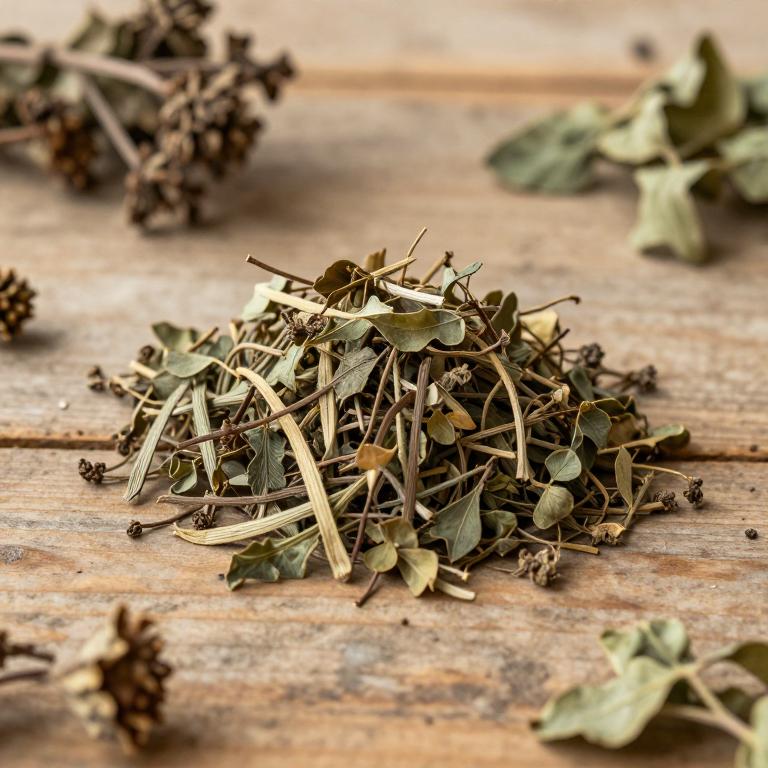
- Leaf · Stem
Classification
Taxonomy
Leea alata is a remarkable organism belonging to the vast kingdom Plantae. Within this diverse kingdom, the plant is classified under the class Equisetopsida. It further belongs to the specific order Vitales, which helps define its evolutionary lineage. As a member of the family Vitaceae, it shares structural similarities with other grape-like vines. Finally, this species is distinguished within its own unique genus, Leea.
| Rank | Classification |
|---|---|
| Kingdom | Plantae |
| Phylum | Streptophyta |
| Class | Equisetopsida |
| Subclass | Magnoliidae |
| Order | Vitales |
| Family | Vitaceae |
| Genus | Leea |
Sources: The World Checklist of Vascular Plants (WCVP)
Distribution
Geographic Regions
Leea alata is a plant species primarily distributed throughout the tropical regions of Asia. Within the Indian Subcontinent, it maintains a significant presence across diverse landscapes such as India and Bangladesh. Its range further extends into the lush environments of Assam and the scenic terrains of Nepal. Additionally, the species can be found thriving within the East Himalaya region. This wide distribution highlights the plant's ability to adapt to various subtropical habitats across the subcontinent.
Sources: The World Checklist of Vascular Plants (WCVP)
Identification
Morphology
Leea alata is characterized by its distinct shrub-like growth form. As a self-supporting plant, it maintains its upright structure without the need for external assistance.
Sources: Global Inventory of Floras and Traits (GIFT)
Biological Activities
Leea alata exhibits a diverse range of therapeutic properties that highlight its significant medicinal potential. Research indicates that the plant possesses notable antimicrobial and antibacterial activities, making it useful against various resistant microorganisms. Furthermore, it demonstrates effective antitumor capabilities, specifically showing a high percentage of growth inhibition in certain cancer cell assays. The plant is also recognized for its traditional medicinal uses as an antipyretic agent to reduce fever. Additionally, its diaphoretic activity allows it to be used effectively in promoting perspiration for various health treatments.
Compounds
Conditions
Leea alata demonstrates significant medicinal potential by treating Ehrlich's ascites carcinoma (EAC) cells through the inhibition of cell growth. The plant also exhibits potent antimicrobial properties, effectively treating the pathogenic bacteria Escherichia coli and Pseudomonas aeruginosa. Furthermore, its therapeutic applications extend to managing hypertension, as it possesses significant antihypertensive activity via ACE inhibition. In addition to these uses, the plant is traditionally and scientifically recognized for its ability to treat arthritis. These diverse biological activities highlight its versatility in addressing both infectious diseases and chronic conditions.
Preparations
Leea alata is prepared as a leaf extract to study its various medicinal properties. This specific leaf extract serves as the basis for further scientific investigation into its biological activities. From this extract, the plant is also prepared as an ethyl acetate fraction (EAF) for specialized testing. The EAF is utilized to evaluate the inhibition of oxidative damage to DNA and human erythrocytes. These distinct preparation methods allow for the assessment of the plant's potential in cancer chemotherapy and the treatment of infectious diseases.
Parts used
Leea alata is a plant species that possesses distinct morphological features, specifically including the leaf and the stem. While the provided research focuses on the closely related Leea rubra, it highlights how various plant parts can serve as significant sources for medicinal discovery. For instance, leaf extracts have demonstrated remarkable potential in protecting DNA from oxidative damage and exhibiting antitumor properties. Additionally, the stem of the plant can host endophytic fungi that yield unique natural products and organic scaffolds. Understanding these botanical structures is essential for exploring the diverse biochemical capabilities inherent in the Leea genus.