Lawsonia
Lawsonia · Accepted scientific name
Scientific literature: Very Sparse (5 studies) · ★☆☆☆☆
Lawsonia is a versatile plant known primarily for the therapeutic and cosmetic properties found within its leaves. The plant contains significant chemical compounds, most notably lawsone and PPD, which drive its diverse biological functions. Research highlights its powerful medicinal activities, including antibacterial, anticancer, antifungal, and antioxidant effects. Various preparations utilize these leaves, ranging from acetonic plant extracts and aqueous extracts of henna in sesame oil to specialized black and red products. Ultimately, these unique characteristics make Lawsonia a vital resource in both traditional medicine and the production of black henna.
- Synonyms
- Alcanna · Henna · 2 more
- Common names
- Not available
- Family
- Lythraceae
- Distribution
- Asia-Tropical
- Plant Parts
- Leaf
Classification
Common Names
Lawsonia is a versatile plant known by many different names across various cultures and languages. It is commonly referred to as hennapensaat in certain regions, while others may call it henovník. In different linguistic contexts, the name lavzónia or simply lawsonia is frequently used to identify it. Furthermore, it is recognized by its Thai designation, สกุล เทียนกิ่ง. These diverse monikers highlight the global presence and cultural significance of this unique species.
Sources: Catalogue of Life (COL)
Synonyms
Lawsonia is a botanical genus that is recognized by several different scientific synonyms across various historical and regional classifications. This plant is most commonly known by its popular name, Henna, which reflects its widespread cultural importance. Depending on the taxonomic literature being consulted, it may also be referred to as Alcanna or Rotantha. Furthermore, some older botanical records utilize the synonym Pontaletsje to describe the same species. Understanding these overlapping names is essential for anyone researching the diverse nomenclature of this versatile plant.
Sources: The World Checklist of Vascular Plants (WCVP)
Taxonomy
Lawsonia belongs to the vast kingdom Plantae, representing a diverse group of multicellular organisms. Within this kingdom, it is classified under the class Equisetopsida. The plant further narrows down into the order Myrtales, which helps define its botanical characteristics. It is a member of the Lythraceae family, a group known for its distinctive floral structures. Finally, it is uniquely identified by its specific genus, Lawsonia.
| Rank | Classification |
|---|---|
| Kingdom | Plantae |
| Phylum | Streptophyta |
| Class | Equisetopsida |
| Subclass | Magnoliidae |
| Order | Myrtales |
| Family | Lythraceae |
| Genus | Lawsonia |
Sources: The World Checklist of Vascular Plants (WCVP)
Distribution
Geographic Regions
Lawsonia displays a broad geographic presence across several key regions of the African continent. Within East Tropical Africa, this plant is commonly found throughout Kenya, Tanzania, and Uganda. Its distribution also extends into Northeast Tropical Africa, where it can be located in Chad. Additionally, the species makes its presence known in the territory of Djibouti. This wide-ranging habitat highlights the plant's ability to thrive across diverse African landscapes.
Sources: The World Checklist of Vascular Plants (WCVP)
Identification
Biological Activities
Lawsonia inermis, commonly known as henna, is a medicinal plant renowned for its diverse and potent biological activities. Research indicates that the plant possesses significant antibacterial properties, making it a valuable resource in traditional medicine. Furthermore, its extracts exhibit strong antioxidant capabilities that contribute to its therapeutic profile. The plant also demonstrates notable antifungal activity, particularly against various clinical dermatophyte species. Most significantly, Lawsonia displays powerful anticancer and antitumor effects, offering potential for chemoprevention in various skin cancer models.
Compounds
Lawsonia inermis, commonly known as henna, is a versatile plant valued for its medicinal and cosmetic properties. The plant naturally contains lawsone, a naphthoquinone-based pigment responsible for producing characteristic orange to red hair colors. Research indicates that the concentration of this secondary metabolite is a key factor in determining the final color effect of henna treatments. However, some commercial henna products are found to contain p-phenylenediamine (PPD), a strong allergen that is not naturally part of the plant. Because many products are improperly labeled, consumer awareness is essential to distinguish true Lawsonia extracts from those adulterated with PPD.
Conditions
Preparations
Lawsonia is prepared as acetonic plant extracts to test its antimicrobial potential against multidrug-resistant pathogens. It is also prepared as an aqueous extract of henna in sesame oil for topical use in managing chronic sciatica pain. As a versatile plant-based dye, it is commonly used for decorative skin painting, nail coloring, and hair dyeing. The plant is frequently prepared as black and red products, though these variations may contain higher levels of heavy metal contamination. Additionally, Lawsonia is prepared as black henna by adding synthetic para-phenylenediamine to accentuate dark colors and shorten application time.
Parts used
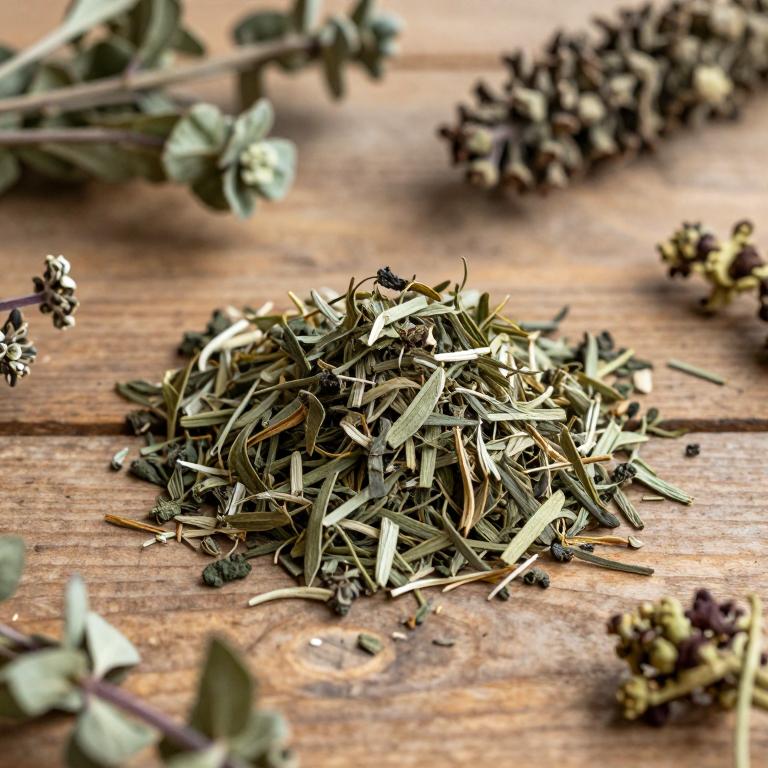
Lawsonia inermis, commonly known as henna, is a versatile plant whose leaves serve various industrial and medicinal purposes. The leaves are frequently processed into pastes for traditional body art and hair dyeing, a practice that dates back to the Bronze Age. Beyond aesthetic uses, the leaf powder contains lawsone, a potent pigment that exhibits significant antioxidant, anti-inflammatory, and anticancer properties. Recent engineering studies have focused on optimizing the drying of these leaves using solar technology to preserve their medicinal quality and enhance economic viability. Ultimately, the diverse biological activities found within the Lawsonia leaf make it a critical subject for both traditional applications and modern chemopreventive research.