Lavandula ×intermedia
Lavandula × intermedia · Accepted scientific name
Scientific literature: Very Sparse (30 studies) · ★☆☆☆☆
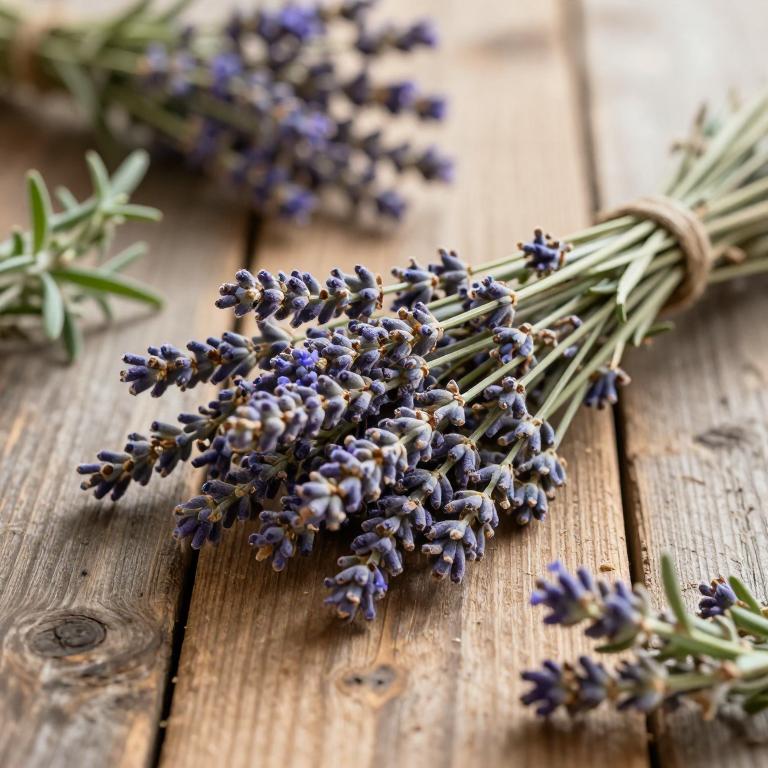
Lavandula × intermedia, scientifically known as Lavandin, is a highly aromatic hybrid cultivar celebrated for its potent essential oils. Combining English and French lavender, it offers intense fragrance and therapeutic properties. Widely used in aromatherapy and skincare, this resilient plant is prized for its calming, antiseptic, and soothing benefits.
- Family
- Lamiaceae
- Native range
- Europe
- Parts used
- Flower
- Common names
- Lavandula ×Intermedia · Dutch Lavender · 3 more
- Scientific synonyms
- Not available
Names and Synonyms
Common Names
- Lavandula ×intermedia
- Dutch lavender
- bastard lavender
- broadleaf barren lavender
- hybrid lavender
Scientific Names
Accepted name
Lavandula × intermediaRegional and Traditional Names
Spanish:
- Lavandula intermedia
German:
- Lavandin
- Lavandula ×intermedia
- Lavandula intermedia
- Spiklavendel
French:
- Lavandula intermedia
- grosse lavande
- lavande bâtarde
Sources: Wikidata, Catalogue of Life
Taxonomical Classification
This plant belongs to the kingdom Plantae within the phylum Streptophyta and the class Equisetopsida. It is further classified under the subclass Magnoliidae, the order Lamiales, and the family Lamiaceae. Finally, it is categorized under the genus Lavandula, specifically identified as the hybrid species Lavandula × intermedia.
| Rank | Classification |
|---|---|
| Kingdom | Plantae |
| Phylum | Streptophyta |
| Class | Equisetopsida |
| Subclass | Magnoliidae |
| Order | Lamiales |
| Family | Lamiaceae |
| Genus | Lavandula |
Sources: The World Checklist of Vascular Plants (WCVP)
Distribution
This plant, known scientifically as Lavandula × intermedia, exhibits a specific geographical distribution within the Mediterranean region. Its presence is notably concentrated in the southwestern part of Europe. Specifically, it can be found growing across various landscapes in France. Additionally, this hybrid species is widely distributed throughout the territory of Spain. These two countries serve as the primary hubs for its cultivation and natural occurrence.
| Region | Area |
|---|---|
| Southwestern Europe | France |
| Southwestern Europe | Spain |
Sources: The World Checklist of Vascular Plants (WCVP)
Plant Parts
Lavandula × intermedia has 1 reported plant parts identified across 1 scientific publications and several other databases that are studied for medicinal purposes. The most consistently reported plant part include flower.
| Plant part | Supporting sources | Consensus |
|---|---|---|
| Flower | 1 supporting sources | ★☆☆☆☆ |
Flower
- Yakugaku zasshi : Journal of the Pharmaceutical Society of Japan
Chemicals
Lavandula × intermedia has 15 reported phytochemicals identified across 1 scientific publications and several other databases. The most consistently reported chemicals include Borneol, 1,8-Cineole, 3-Carene, 3-Hexen-1-ol, COSMOSIIN.
| Chemical | Supporting sources | Consensus |
|---|---|---|
| Borneol | 2 supporting sources | ★☆☆☆☆ |
| 1,8-Cineole | 1 supporting sources | ★☆☆☆☆ |
| 3-Carene | 1 supporting sources | ★☆☆☆☆ |
| 3-Hexen-1-ol | 1 supporting sources | ★☆☆☆☆ |
| COSMOSIIN | 1 supporting sources | ★☆☆☆☆ |
| Chicoric | 1 supporting sources | ★☆☆☆☆ |
| Cynaroside | 1 supporting sources | ★☆☆☆☆ |
| Eucalyptol | 1 supporting sources | ★☆☆☆☆ |
| LINALYL ACETATE | 1 supporting sources | ★☆☆☆☆ |
| Linalool | 1 supporting sources | ★☆☆☆☆ |
Borneol
- American journal of physiology. Gastrointestinal and liver physiology
- Yakugaku zasshi : Journal of the Pharmaceutical Society of Japan
1,8-Cineole
- American journal of physiology. Gastrointestinal and liver physiology
3-Carene
- Yakugaku zasshi : Journal of the Pharmaceutical Society of Japan
3-Hexen-1-ol
- Yakugaku zasshi : Journal of the Pharmaceutical Society of Japan
COSMOSIIN
- Experimental eye research
Chicoric
- Molecules (Basel, Switzerland)
Cynaroside
- Experimental eye research
Eucalyptol
- Yakugaku zasshi : Journal of the Pharmaceutical Society of Japan
LINALYL ACETATE
- Yakugaku zasshi : Journal of the Pharmaceutical Society of Japan
Linalool
- Yakugaku zasshi : Journal of the Pharmaceutical Society of Japan
Activities
Lavandula × intermedia has 10 reported activities identified across 1 scientific publications and several other databases. The most consistently reported activities include Allelopathic, Analgesic, Antibacterial, Antimicrobial, Antioxidant.
| Activity | Supporting sources | Consensus |
|---|---|---|
| Allelopathic | 1 supporting sources | ★☆☆☆☆ |
| Analgesic | 1 supporting sources | ★☆☆☆☆ |
| Antibacterial | 1 supporting sources | ★☆☆☆☆ |
| Antimicrobial | 1 supporting sources | ★☆☆☆☆ |
| Antioxidant | 1 supporting sources | ★☆☆☆☆ |
| Antiprotozoal | 1 supporting sources | ★☆☆☆☆ |
| Antithrombotic | 1 supporting sources | ★☆☆☆☆ |
| Anxiolytic | 1 supporting sources | ★☆☆☆☆ |
| Neuroprotective | 1 supporting sources | ★☆☆☆☆ |
| Sedative | 1 supporting sources | ★☆☆☆☆ |
Allelopathic
- Molecules (Basel, Switzerland)
Analgesic
- Molecules (Basel, Switzerland)
Antibacterial
- Plant disease
Antimicrobial
- Molecules (Basel, Switzerland)
Antioxidant
- Molecules (Basel, Switzerland)
Antiprotozoal
- Molecules (Basel, Switzerland)
Antithrombotic
- Molecules (Basel, Switzerland)
Anxiolytic
- Molecules (Basel, Switzerland)
Neuroprotective
- Molecules (Basel, Switzerland)
Sedative
- Plant disease
Conditions
Lavandula × intermedia has 2 reported investigations on conditions identified across 1 scientific publications and several other databases. The most consistently reported conditions include colitis, gastrointestinal disorders.
| Condition | Supporting sources | Consensus |
|---|---|---|
| Colitis | 1 supporting sources | ★☆☆☆☆ |
| Gastrointestinal disorders | 1 supporting sources | ★☆☆☆☆ |
Colitis
- American journal of physiology. Gastrointestinal and liver physiology
Gastrointestinal disorders
- American journal of physiology. Gastrointestinal and liver physiology
Preparations
Lavandula × intermedia has 5 reported preparations identified across 1 scientific publications and several other databases. The most consistently reported preparations include Lavandiin essential oil, extract, hydrosols, steam distillation, volatile oils.
| Preparation | Supporting sources | Consensus |
|---|---|---|
| Lavandiin essential oil | 1 supporting sources | ★☆☆☆☆ |
| Extract | 1 supporting sources | ★☆☆☆☆ |
| Hydrosols | 1 supporting sources | ★☆☆☆☆ |
| Steam distillation | 1 supporting sources | ★☆☆☆☆ |
| Volatile oils | 1 supporting sources | ★☆☆☆☆ |
Lavandiin essential oil
- Molecules (Basel, Switzerland)
Extract
- Experimental eye research
Hydrosols
- BMC plant biology
Steam distillation
- Molecules (Basel, Switzerland)
Volatile oils
- BMC plant biology