Lavandula × heterophylla
Lavandula × heterophylla · Accepted scientific name
Scientific literature: Very Sparse (4 studies) · ★☆☆☆☆
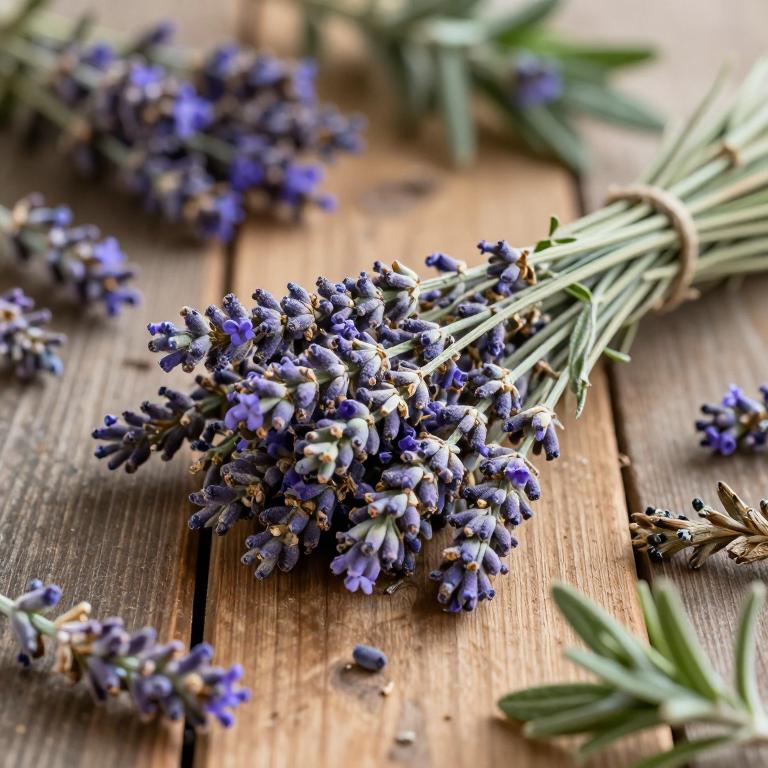
Lavandula × heterophyllla, scientifically known as Lavandula × heterophylla, is a captivating hybrid lavender celebrated for its aromatic elegance. Renowned for its silvery foliage and fragrant blooms, this botanical treasure offers therapeutic benefits, including stress reduction and skin soothing, making it a versatile addition to any medicinal garden.
- Family
- Lamiaceae
- Native range
- Europe
- Parts used
- Leaf
- Common names
- Not available
- Scientific synonyms
- Lavandula × Hybrida · Lavandula × Allardii
Names and Synonyms
Scientific Names
Accepted name
Lavandula × heterophyllaSynonyms
- Lavandula × hybrida
- Lavandula × allardii
Taxonomical Classification
This plant belongs to the kingdom Plantae and the phylum Streptophyta, falling within the class Equisetopsida and subclass Magnoliidae. It is further classified under the order Lamiales and the family Lamiaceae. Finally, it is identified by its genus, Lavandula.
| Rank | Classification |
|---|---|
| Kingdom | Plantae |
| Phylum | Streptophyta |
| Class | Equisetopsida |
| Subclass | Magnoliidae |
| Order | Lamiales |
| Family | Lamiaceae |
| Genus | Lavandula |
Sources: The World Checklist of Vascular Plants (WCVP)
Distribution
This plant, known as Lavandula × heterophylla, exhibits a very specific and limited geographical distribution. Its natural occurrence is primarily centered within the region of Southwestern Europe. Within this broad area, the species is specifically found growing in Spain. Because of this concentrated range, it is considered a localized botanical find rather than a widespread species. Understanding this specific habitat is essential for studying its ecological requirements and conservation status.
| Region | Area |
|---|---|
| Southwestern Europe | Spain |
Sources: The World Checklist of Vascular Plants (WCVP)
Plant Parts
Lavandula × heterophylla has 1 reported plant parts identified across 1 scientific publications and several other databases that are studied for medicinal purposes. The most consistently reported plant part include leaf.
| Plant part | Supporting sources | Consensus |
|---|---|---|
| Leaf | 1 supporting sources | ★☆☆☆☆ |
Leaf
- Chemistry & biodiversity
Chemicals
Lavandula × heterophylla has 3 reported phytochemicals identified across 1 scientific publications and several other databases. The most consistently reported chemicals include 1,8-Cineole, Borneol, camphor.
| Chemical | Supporting sources | Consensus |
|---|---|---|
| 1,8-Cineole | 1 supporting sources | ★☆☆☆☆ |
| Borneol | 1 supporting sources | ★☆☆☆☆ |
| camphor | 1 supporting sources | ★☆☆☆☆ |
1,8-Cineole
- Chemistry & biodiversity
Borneol
- Chemistry & biodiversity
camphor
- Chemistry & biodiversity
Preparations
Lavandula × heterophylla has 2 reported preparations identified across 1 scientific publications and several other databases. The most consistently reported preparations include essential oil, hydrodistilled essential oils.
| Preparation | Supporting sources | Consensus |
|---|---|---|
| Essential oil | 1 supporting sources | ★☆☆☆☆ |
| Hydrodistilled essential oils | 1 supporting sources | ★☆☆☆☆ |
Essential oil
- Chemistry & biodiversity
Hydrodistilled essential oils
- Chemistry & biodiversity