Lavandula stoechas subsp. luisieri
Lavandula stoechas subsp. luisieri · Accepted scientific name
Scientific literature: Very Sparse (1 studies) · ★☆☆☆☆
Lavandula stoechas subsp. luisieri is a specialized botanical variety recognized for its unique chemical profile and potential therapeutic applications. Research into its bioactive compounds has highlighted significant antigiardial activities, making it a subject of interest in medicinal studies. Specifically, the plant shows promise in addressing conditions caused by pathogens such as Giardia duodenalis and Leishmania infantum. These biological effects are most effectively harnessed through the preparation of concentrated essential oils. Consequently, studying this subspecies offers valuable insights into utilizing plant-derived essential oils for combating parasitic infections.
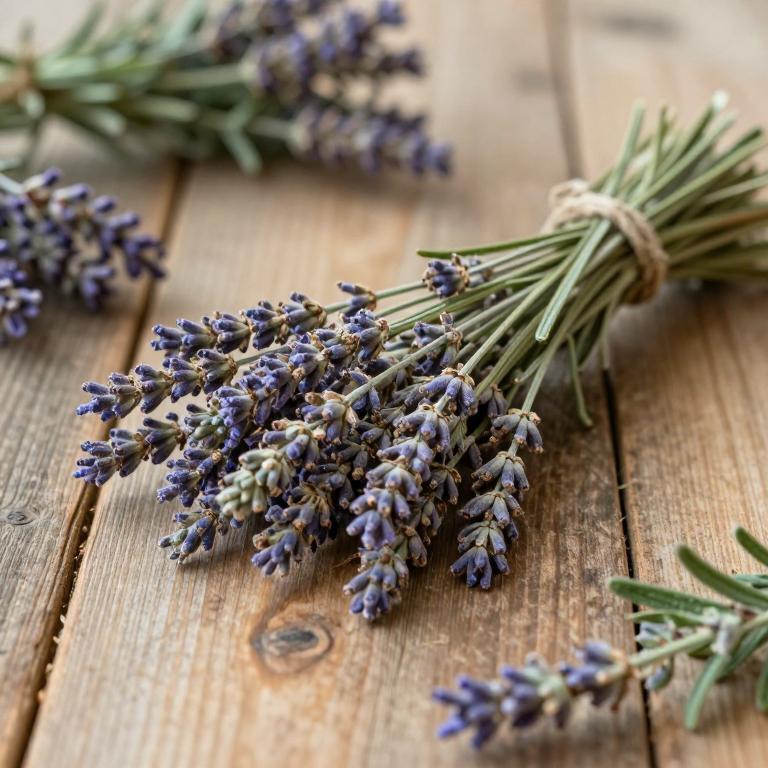
- Synonyms
- Lavandula Stoechas Var. Luisieri · Lavandula Luisieri
- Common names
- Not available
- Family
- Lamiaceae
- Distribution
- Africa
- Plant Parts
- Not available
Classification
Common Names
Lavandula stoechas subsp. luisieri is a distinctive botanical variety that carries several unique identifiers. It is widely recognized by the common name Lavande de Luisier among plant enthusiasts. Additionally, this subspecies is affectionately referred to as rosmaninha in certain regional contexts. These overlapping names help highlight its cultural and scientific significance within its natural habitat. Understanding these various designations allows for a deeper connection to this specific lavender species.
Sources: Catalogue of Life (COL)
Synonyms
Lavandula stoechas subsp. luisieri is a specific botanical classification that can often be identified by several different names in scientific literature. Within taxonomic databases, this subspecies is recognized by the synonym Lavandula luisieri. Furthermore, researchers may also refer to the plant as Lavandula stoechas var. luisieri. Understanding these various nomenclatural connections is essential for accurate identification in the field. These synonymous relationships ensure that botanists can maintain clarity when discussing this particular variety of lavender.
Sources: The World Checklist of Vascular Plants (WCVP)
Taxonomy
Lavandula stoechas subsp. luisieri is a unique botanical specimen belonging to the vast kingdom Plantae. Within this expansive realm, the plant is classified under the class Equisetopsida. It further finds its place in the order Lamiales, showcasing its specific evolutionary lineage. As a member of the Lamiaceae family, it shares characteristic traits with many well-known aromatic herbs. Ultimately, this subspecies is defined by its membership in the distinguished genus Lavandula.
| Rank | Classification |
|---|---|
| Kingdom | Plantae |
| Phylum | Streptophyta |
| Class | Equisetopsida |
| Subclass | Magnoliidae |
| Order | Lamiales |
| Family | Lamiaceae |
| Genus | Lavandula |
Sources: The World Checklist of Vascular Plants (WCVP)
Distribution
Geographic Regions
Lavandula stoechas subsp. luisieri is a distinctive botanical variety primarily found within the diverse landscapes of Europe. Its natural range is concentrated in the southwestern regions of the continent, where it thrives in specific environmental conditions. Within this territory, the plant maintains a notable presence across the coastal and inland areas of Portugal. Additionally, its distribution extends significantly into the various terrains of Spain. This localized presence highlights the specific ecological niche that this subspecies occupies within the Mediterranean ecosystem.
Sources: The World Checklist of Vascular Plants (WCVP)
Identification
Biological Activities
Lavandula stoechas subsp. luisieri has demonstrated significant antigiardial activity, marking it as a promising candidate for treating intestinal protozoon infections. This medicinal plant belongs to the Lamiaceae family, which is widely utilized in Mediterranean ethnomedicine for various gastrointestinal disorders. Recent studies investigating the phytotherapeutic potential of essential oils have highlighted this species as one of the most effective against Giardia duodenalis. The research suggests that the plant's efficacy may be linked to synergistic interactions between its chemical constituents, such as linalyl acetate and linalool. Such findings offer valuable evidence for the development of alternative treatments in both human and veterinary parasitology.
Compounds
Conditions
Lavandula stoechas subsp. luisieri exhibits significant therapeutic potential by effectively treating the intestinal protozoon Giardia duodenalis. This plant subspecies also demonstrates potent anti-parasitic activity against Leishmania infantum. In terms of immune modulation, the essential oil of this species treats LPS-stimulated macrophages to mitigate inflammatory responses. It achieves this by significantly impacting the NF-κB pathway within the cells. Furthermore, the oil is highly effective at inhibiting NO production, particularly in chemotypes with low quantities of necrodane derivatives.
Preparations
Lavandula stoechas subsp. luisieri is prepared as essential oils to explore its various bioactive and medicinal properties. These oils have demonstrated significant anti-inflammatory potential by inhibiting nitric oxide production and affecting inflammatory protein expression. Scientific research also indicates that the essential oil derived from this species exhibits strong antigiardial activity against the parasite Giardia duodenalis. The efficacy of these oils is closely linked to their chemical variability and specific chemotypes, such as those with low levels of necrodane derivatives. Ultimately, the preparation of this plant into essential oils supports its traditional uses and offers promise for developing new herbal medicinal products.