Lavandula maroccana
Lavandula maroccana · Accepted scientific name
Scientific literature: Very Sparse (0 studies) · ★☆☆☆☆
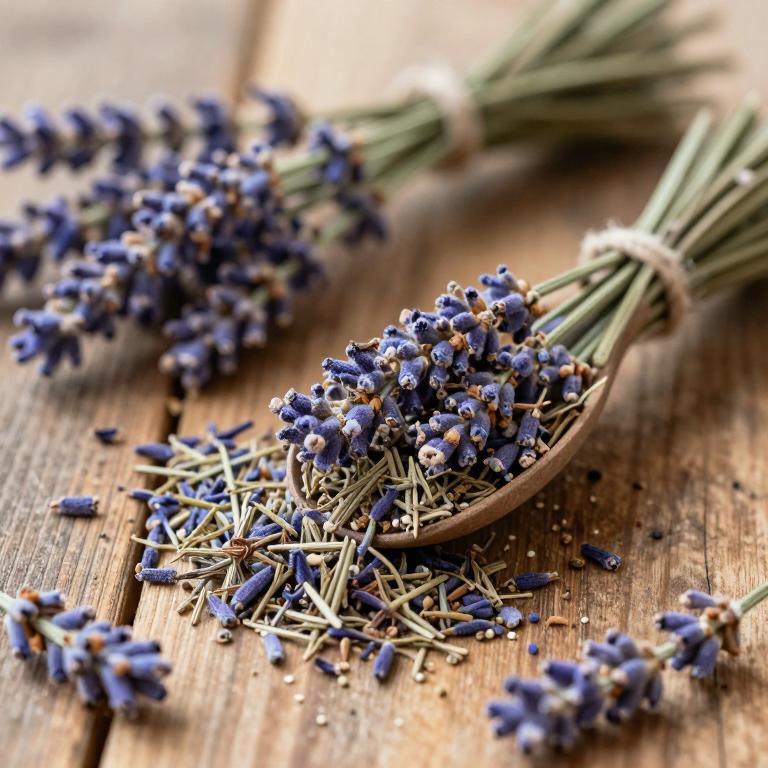
Lavandula maroccana is a captivating aromatic shrub known for its striking silvery foliage and delicate purple blooms. This specialized species thrives in well-drained soils and requires ample sunlight to maintain its fragrant essence. Many enthusiasts value this plant for its ability to provide a calming sensory experience within a therapeutic garden setting. While it offers aesthetic beauty, some researchers explore how its botanical properties might interact with complex physiological conditions like cancer. Understanding its role in holistic wellness requires careful study and integration into a comprehensive care plan.
- Synonyms
- Lavandula Abrotanoides Var. Attenuata
- Common names
- Not available
- Family
- Lamiaceae
- Distribution
- Africa
- Plant Parts
- Not available
Classification
Common Names
Lavandula maroccana is a versatile plant recognized by several different names depending on the region and language. It is widely known by its common English name, Lavender, which highlights its fragrant and aromatic qualities. Many enthusiasts also refer to it specifically as Moroccan Lavender to distinguish it from other species in the same genus. In certain local contexts, it may simply be called Lavande or even known by the traditional name Khzama. Regardless of the terminology used, this beautiful plant remains a beloved staple in many gardens.
Sources: Catalogue of Life (COL)
Synonyms
Lavandula maroccana is a distinctive species that is often identified within botanical literature through various nomenclatural lenses. Taxonomists have noted that this plant shares a close relationship with the synonym Lavandula abrotanoides var. attenuata. This classification link suggests that the two names refer to the same biological entity despite the difference in terminology. Understanding these botanical connections is essential for researchers seeking to maintain consistency in plant identification. Consequently, recognizing these synonymous relationships helps clarify the complex evolutionary lineage of the Lavandula genus.
Sources: The World Checklist of Vascular Plants (WCVP)
Taxonomy
Lavandula maroccana is a distinctive botanical specimen that belongs to the kingdom Plantae. Within this vast realm, the plant is classified under the class Equisetopsida. It further falls into the order Lamiales, showcasing its specific evolutionary lineage. As a member of the Lamiaceae family, it shares characteristics with many well-known aromatic herbs. Finally, this species is identified by its specific genus, Lavandula, which defines its unique biological identity.
| Rank | Classification |
|---|---|
| Kingdom | Plantae |
| Phylum | Streptophyta |
| Class | Equisetopsida |
| Subclass | Magnoliidae |
| Order | Lamiales |
| Family | Lamiaceae |
| Genus | Lavandula |
Sources: The World Checklist of Vascular Plants (WCVP)
Distribution
Geographic Regions
Lavandula maroccana is a specialized species primarily found within the diverse landscapes of Africa. Its native range is concentrated across the northern reaches of the continent, where it thrives in specific environmental niches. Within this vast territory, Morocco serves as a key geographic stronghold for the plant's natural populations. This regional distribution highlights the unique ecological role the species plays in its local habitat. Understanding these specific locations is essential for researchers studying the plant's conservation and growth patterns.
Sources: The World Checklist of Vascular Plants (WCVP)
Identification
Morphology
Lavandula maroccana is a self-supporting plant that maintains its own structure without the need for external assistance.
Sources: Global Inventory of Floras and Traits (GIFT)
Biological Activities
Compounds
Conditions
Lavandula maroccana is identified as one of the specific medicinal species used in the traditional treatment of cancer within the Greater Casablanca region of Morocco. According to an ethnobotanical survey, this plant is part of a group of eight species utilized by local healers to manage the disease. The study highlights its role in a primary healthcare system where residents remain highly dependent on such herbal remedies. While the research evaluates various plant parts and preparation methods, it places Lavandula maroccana among the botanical resources used for these therapeutic purposes. Consequently, the plant serves as a key component in the traditional medicinal knowledge passed down through the local population.