Lavandula mairei
Lavandula mairei · Accepted scientific name
Scientific literature: Very Sparse (1 studies) · ★☆☆☆☆
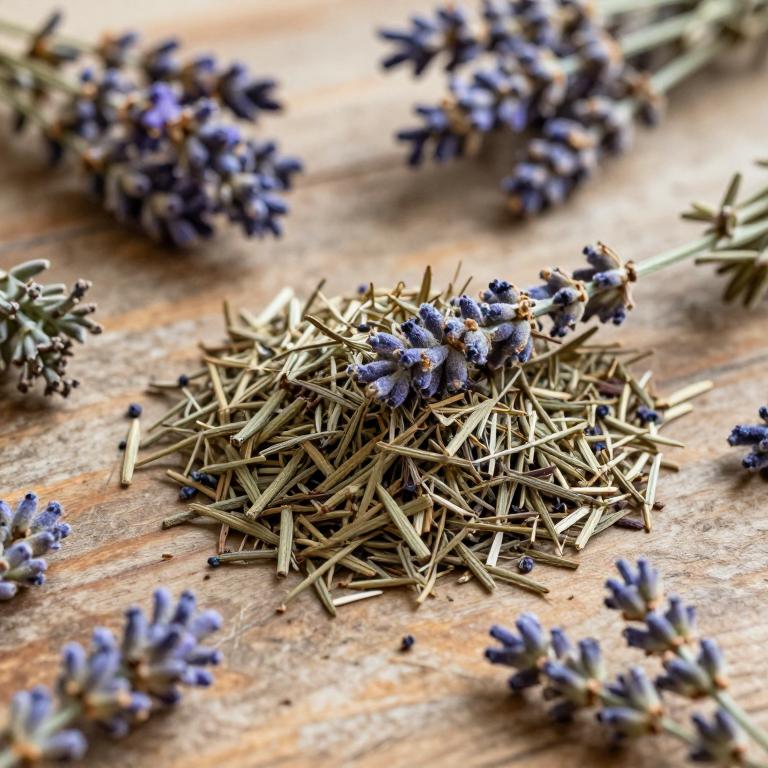
Lavandula mairei, scientifically known as Lavandula mairei, is a rare and enchanting perennial shrub native to specific Mediterranean habitats. Renowned for its striking silvery foliage and fragrant purple blooms, this botanical treasure is valued in traditional herbalism for its calming properties and its unique role in aromatic landscapes.
- Family
- Lamiaceae
- Native range
- Africa
- Parts used
- Not available
- Common names
- Not available
- Scientific synonyms
- Not available
Names and Synonyms
Scientific Names
Accepted name
Lavandula maireiSources: Wikidata
Taxonomical Classification
This plant, Lavandula mairei, belongs to the kingdom Plantae and the phylum Streptophyta. Within the class Equisetopsida and subclass Magnoliidae, it is classified under the order Lamiales and the family Lamiaceae. Finally, it is situated within the genus Lavandula.
| Rank | Classification |
|---|---|
| Kingdom | Plantae |
| Phylum | Streptophyta |
| Class | Equisetopsida |
| Subclass | Magnoliidae |
| Order | Lamiales |
| Family | Lamiaceae |
| Genus | Lavandula |
Sources: The World Checklist of Vascular Plants (WCVP)
Distribution
This plant is a specialized species with a very restricted natural range. Its geographical distribution is limited to the specific region of Northern Africa. Within this continent, it can be found growing in the country of Morocco. Because it is localized to such a small area, it is considered an endemic species to this territory. Understanding this precise location is essential for the conservation of its natural habitat.
| Region | Area |
|---|---|
| Northern Africa | Morocco |
Sources: The World Checklist of Vascular Plants (WCVP)
Botanical Identification
Life history
The life history of Lavandula mairei is characterized by its classification as a chamaephyte, a life form that dictates its survival strategy and growth habit. As a chamaephyte, the plant maintains its perennating buds very close to the soil surface, often just above it, which allows it to withstand varying environmental pressures while maintaining a low-growing, shrubby stature. This specific life form categorization, encompassing its role within the broader spectrum of nanophanerophyte, phanerophyte, chamaephyte, hemicryptophyte, geophyte, hydrophyte, helophyte, therophyte, and lithophyte classifications, underscores its ability to thrive in rocky or exposed Mediterranean-type habitats where staying close to the ground provides protection from wind and extreme temperature fluctuations. By utilizing this chamaephyte strategy, Lavandula mairei ensures its perennial persistence, balancing its structural development with the necessity of protecting its vital reproductive and vegetative organs near the substrate.
- Life form :
- chamaephyte
Morphology
The morphology of Lavandula mairei is characterized by its growth habit as a self-supporting plant, lacking any climbing mechanisms such as tendrils or twining stems. It functions as an independent organism, showing no parasitic behavior toward other species, and maintains a strictly terrestrial existence rather than growing as an epiphyte.
- Climber :
- self-supporting
- Epiphyte :
- terrestrial
- Parasite :
- independent
Sources: Global Inventory of Floras and Traits (GIFT)
Chemicals
Lavandula mairei has 1 reported phytochemicals identified across 0 scientific publications and several other databases. The most consistently reported chemicals include Antioxidants.
| Chemical | Supporting sources | Consensus |
|---|---|---|
| Antioxidants | 1 supporting sources | ★☆☆☆☆ |
Antioxidants
- Ethiopian journal of health sciences