Lavandula austroapennina
Lavandula austroapennina · Accepted scientific name
Scientific literature: Very Sparse (13 studies) · ★☆☆☆☆
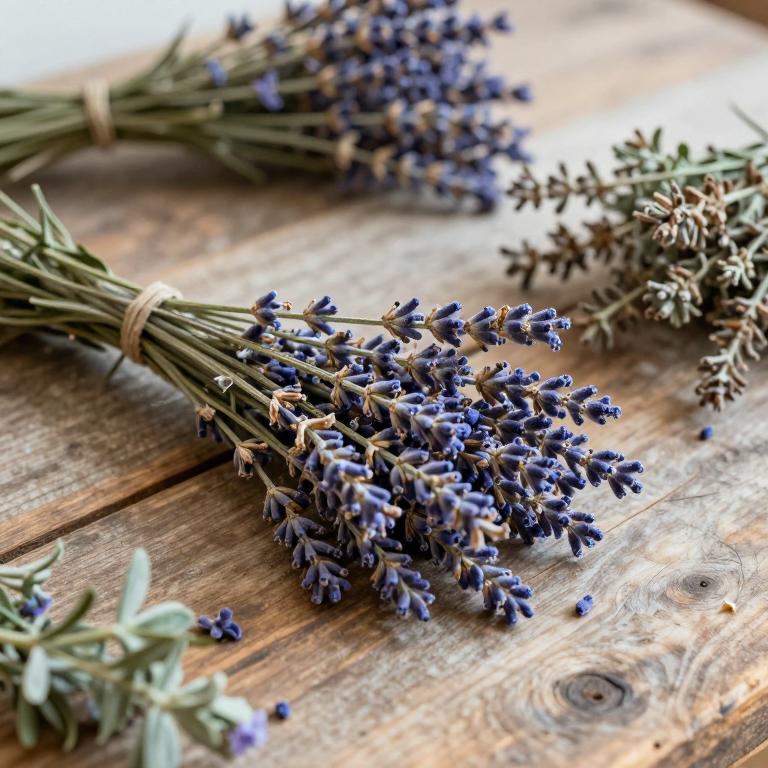
Lavandula austroapennina, scientifically known as Lavandula austroapennina, is a rare medicinal herb prized for its soothing aromatic properties. Native to specific alpine regions, this plant offers potent essential oils used to alleviate anxiety and promote restful sleep, making it a precious botanical treasure in traditional holistic wellness practices.
- Family
- Lamiaceae
- Native range
- Europe
- Parts used
- Leaf · Root
- Common names
- Not available
- Scientific synonyms
- Not available
Names and Synonyms
Scientific Names
Accepted name
Lavandula austroapenninaSources: Wikidata, Catalogue of Life
Taxonomical Classification
This plant belongs to the kingdom Plantae and the phylum Streptophyta, falling under the class Equisetopsida and subclass Magnoliidae. Within the order Lamiales and the family Lamiaceae, it is specifically classified under the genus Lavandula.
| Rank | Classification |
|---|---|
| Kingdom | Plantae |
| Phylum | Streptophyta |
| Class | Equisetopsida |
| Subclass | Magnoliidae |
| Order | Lamiales |
| Family | Lamiaceae |
| Genus | Lavandula |
Sources: The World Checklist of Vascular Plants (WCVP)
Distribution
This plant, known as Lavandula austroapennina, possesses a very specific and limited geographical range. It is primarily found within the unique landscapes of Southeastern Europe. More specifically, its natural habitat is concentrated in the country of Italy. This narrow distribution suggests that the species is highly adapted to the particular environmental conditions of this Mediterranean region. Consequently, its occurrence is geographically restricted rather than being widely spread across the continent.
| Region | Area |
|---|---|
| Southeastern Europe | Italy |
Sources: The World Checklist of Vascular Plants (WCVP)
Plant Parts
Lavandula austroapennina has 3 reported plant parts identified across 3 scientific publications and several other databases that are studied for medicinal purposes. The most consistently reported plant part include leaf, root, stem.
| Plant part | Supporting sources | Consensus |
|---|---|---|
| Leaf | 1 supporting sources | ★☆☆☆☆ |
| Root | 1 supporting sources | ★☆☆☆☆ |
| Stem | 1 supporting sources | ★☆☆☆☆ |
Leaf
- Viruses
Root
- Viruses
Stem
- Viruses
Chemicals
Lavandula austroapennina has 2 reported phytochemicals identified across 3 scientific publications and several other databases. The most consistently reported chemicals include Fatty acids, OLEANOLIC ACID.
| Chemical | Supporting sources | Consensus |
|---|---|---|
| Fatty acids | 1 supporting sources | ★☆☆☆☆ |
| OLEANOLIC ACID | 1 supporting sources | ★☆☆☆☆ |
Fatty acids
- Viruses
OLEANOLIC ACID
- Viruses
Preparations
Lavandula austroapennina has 3 reported preparations identified across 3 scientific publications and several other databases. The most consistently reported preparations include Lipophilic Extracts, organ extracts, stem extract.
| Preparation | Supporting sources | Consensus |
|---|---|---|
| Lipophilic extracts | 1 supporting sources | ★☆☆☆☆ |
| Organ extracts | 1 supporting sources | ★☆☆☆☆ |
| Stem extract | 1 supporting sources | ★☆☆☆☆ |
Lipophilic extracts
- Viruses
Organ extracts
- Viruses
Stem extract
- Viruses