Lasiosiphon stenophyllus
Lasiosiphon stenophyllus · Accepted scientific name
Scientific literature: Very Sparse (0 studies) · ★☆☆☆☆
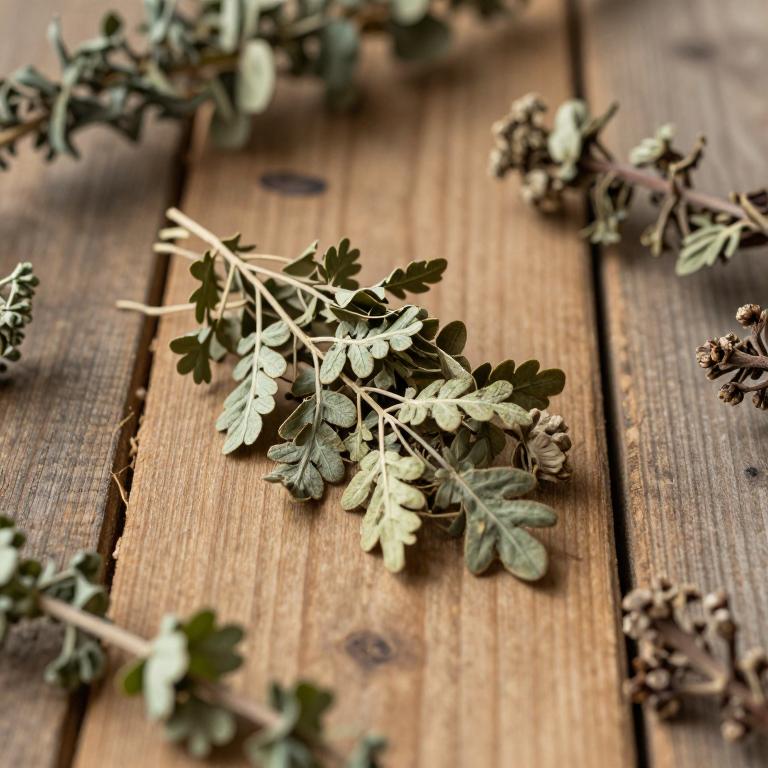
Lasiosiphon stenophyllus is a botanical species recognized for its significant role in traditional medicinal practices. Researchers have focused on this plant due to its potential efficacy in treating conditions such as malaria. One of the primary methods used to harness its therapeutic properties is through the creation of an aqueous root extract. This specific preparation allows for the concentrated extraction of bioactive compounds found within the plant's root system. Understanding the chemical profile of this extract is essential for exploring its pharmacological potential against parasitic infections.
- Synonyms
- Gnidia Caduca · Gnidia Claessensii · 4 more
- Common names
- Not available
- Family
- Thymelaeaceae
- Distribution
- Not available
- Plant Parts
- Not available
Classification
Synonyms
Lasiosiphon stenophyllus is a species characterized by a complex taxonomic history involving several botanical synonyms. Throughout various studies, it has been identified under multiple names, including Gnidia caduca and Gnidia claessensii. Further historical classifications have also linked the plant to Gnidia clutyioides and Gnidia stenophylla. Additionally, the name Gnidia stenophylloides has been utilized to describe the same botanical entity in different contexts. Understanding these shifting relationships is essential for maintaining accurate records within plant nomenclature.
Sources: The World Checklist of Vascular Plants (WCVP)
Taxonomy
Lasiosiphon stenophyllus is a unique botanical specimen belonging to the kingdom Plantae. Within this vast kingdom, the plant is classified under the class Equisetopsida. It falls into the specific order Malvales, showcasing its distinct evolutionary lineage. Further refinement of its identity places it within the genus Lasiosiphon. Finally, its taxonomic journey concludes within the family Thymelaeaceae, completing its scientific profile.
| Rank | Classification |
|---|---|
| Kingdom | Plantae |
| Phylum | Streptophyta |
| Class | Equisetopsida |
| Subclass | Magnoliidae |
| Order | Malvales |
| Family | Thymelaeaceae |
| Genus | Lasiosiphon |
Sources: The World Checklist of Vascular Plants (WCVP)
Distribution
Geographic Regions
Lasiosiphon stenophyllus is a botanical species primarily found across the diverse landscapes of the African continent. Its distribution is most concentrated within East Tropical Africa, where it can be located in Kenya, Tanzania, and Uganda. Additionally, the plant extends into Northeast Tropical Africa, specifically inhabiting regions of Ethiopia. The reach of this species also stretches to West-Central Tropical Africa, with recorded presence in Burundi. Together, these locations highlight the plant's significant ecological footprint across various tropical African territories.
Sources: The World Checklist of Vascular Plants (WCVP)
Identification
Biological Activities
Compounds
Conditions
Lasiosiphon stenophyllus, also identified in the research as Gnidia stenophylla, is recognized for its medicinal properties in Ethiopia. This plant is commonly utilized in aqueous preparations to serve as an effective treatment for malaria. Beyond its antimalarial capabilities, the species is also documented as a culturally important resource for traditional cosmetics. Specifically, it is frequently cited by Oromo women for its application in various skin treatments. These dual roles highlight the plant's significance in both medicinal and personal hygiene practices.
Preparations
Lasiosiphon stenophyllus is prepared as an aqueous root extract for medicinal use. Although the provided abstract discusses the effects of Gnidia stenophylla, it highlights how such aqueous preparations are commonly utilized to treat malaria and other ailments. In experimental settings, this type of root extract is administered orally to evaluate its safety and impact on biological systems. Studies on similar aqueous extracts focus on monitoring changes in food intake and the histology of the gastrointestinal tract. Ultimately, determining the appropriate dosage is crucial to ensure the extract remains safe without inducing irritation.