Lasianthus oblongus
Lasianthus oblongus · Accepted scientific name
Scientific literature: Very Sparse (1 studies) · ★☆☆☆☆
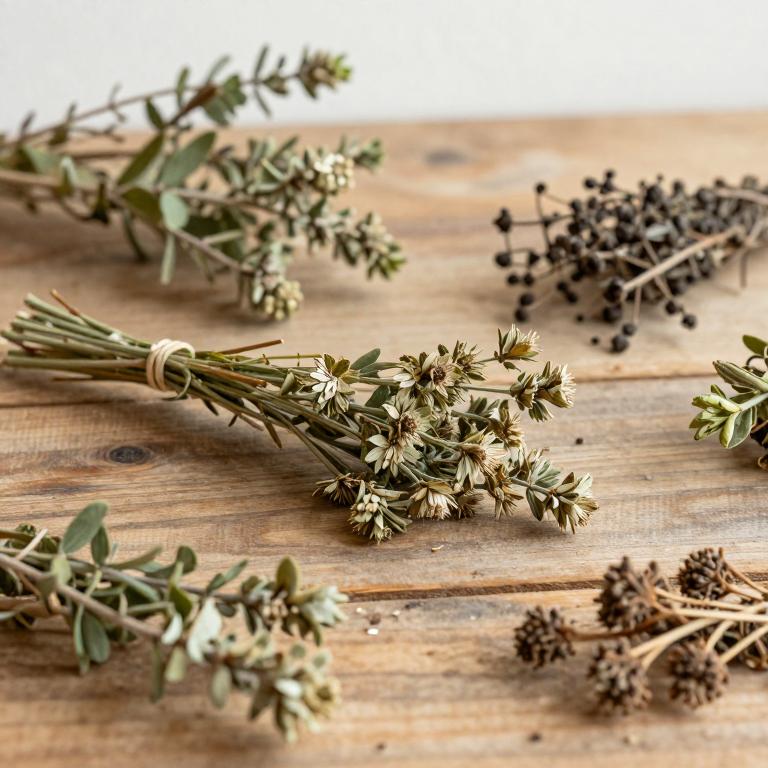
Lasianthus oblongus, scientifically known as Lasianthus oblongus, is a fascinating medicinal shrub native to tropical forest understories. Renowned for its vibrant floral displays and lush foliage, this plant holds significant ethnobotanical value. Traditional healers utilize its various parts to treat diverse ailments, showcasing its profound therapeutic potential.
- Family
- Rubiaceae
- Native range
- Asia-Tropical
- Parts used
- Not available
- Common names
- Not available
- Scientific synonyms
- Not available
Names and Synonyms
Scientific Names
Accepted name
Lasianthus oblongusSources: Wikidata
Taxonomical Classification
This plant belongs to the kingdom Plantae and the phylum Streptophyta, falling under the class Equisetopsida and subclass Magnoliidae. Within the order Gentianaales, it is classified under the family Rubiaceae. It is further identified by the genus Lasianthus, specifically as the species Lasianthus oblongus.
| Rank | Classification |
|---|---|
| Kingdom | Plantae |
| Phylum | Streptophyta |
| Class | Equisetopsida |
| Subclass | Magnoliidae |
| Order | Gentianales |
| Family | Rubiaceae |
| Genus | Lasianthus |
Sources: The World Checklist of Vascular Plants (WCVP)
Distribution
This plant exhibits a specific geographical distribution across parts of Southeast Asia. Within the Indo-China region, it can be found growing in Thailand. Furthermore, its presence extends into the Malesia zone. Specifically, the species is documented to occur in Malaya. These locations define the primary natural range for Lasianthus oblongus.
| Region | Area |
|---|---|
| Indo-China | Thailand |
| Malesia | Malaya |
Sources: The World Checklist of Vascular Plants (WCVP)
Botanical Identification
Life history
The life history of Lasianthus oblongus is characterized by its perennial growth habit and structural classification within the plant kingdom. As a member of the Rubiaceae family, its physiological development is defined by its life form, specifically functioning as a phanerophyte, which indicates that its permanent shoots are elevated well above the ground surface. Depending on its specific environmental niche and the height of its woody stems, its growth strategy can also be categorized under the nanophanerophyte classification, where the shoots remain relatively low but still extend above the soil level. This life history allows the plant to establish a stable presence in its habitat, utilizing its persistent aerial structures to facilitate photosynthesis and reproductive cycles throughout its lifespan.
- Life form :
- nanophanerophyte
- Life form :
- phanerophyte
Morphology
The morphology of Lasianthus oblongus is characterized by its growth form as a woody tree, reaching a maximum plant height of approximately 9 meters. It functions as a self-supporting, non-climbing structure, categorized as a self-supporting plant rather than an obligatory or facultative climber. As an independent organism, it does not exhibit parasitic behavior and is strictly terrestrial in its ecological habit, rather than being an epiphyte.
- Climber :
- self-supporting
- Epiphyte :
- terrestrial
- Growth form :
- tree
- Parasite :
- independent
- Plant height max:
- 9 m
- Woodiness :
- woody
Sources: Global Inventory of Floras and Traits (GIFT)
Activities
Lasianthus oblongus has 1 reported activities identified across 0 scientific publications and several other databases. The most consistently reported activities include Antioxidant.
| Activity | Supporting sources | Consensus |
|---|---|---|
| Antioxidant | 1 supporting sources | ★☆☆☆☆ |
Antioxidant
- Journal of ethnopharmacology
Preparations
Lasianthus oblongus has 1 reported preparations identified across 0 scientific publications and several other databases. The most consistently reported preparations include Methanol extracts.
| Preparation | Supporting sources | Consensus |
|---|---|---|
| Methanol extracts | 1 supporting sources | ★☆☆☆☆ |
Methanol extracts
- Journal of ethnopharmacology