Lantana hirta
Lantana hirta · Accepted scientific name
Scientific literature: Very Sparse (1 studies) · ★☆☆☆☆
Lantana hirta is a versatile plant species widely recognized for its diverse biological properties and medicinal potential. Among its most notable therapeutic capabilities is its significant antifungal activity against various pathogens. Researchers have focused on optimizing its medicinal value through specific preparation methods, such as the creation of M5L extract. This particular formulation enhances the plant's bioactive compounds to improve its effectiveness in combating fungal infections. Understanding these properties provides valuable insights into the plant's growing importance in natural pharmacology.
- Synonyms
- Lantana Hirta F. Caerulea · Lantana Hintonii · 4 more
- Common names
- Not available
- Family
- Verbenaceae
- Distribution
- Southern America
- Plant Parts
- Not available
Classification
Common Names
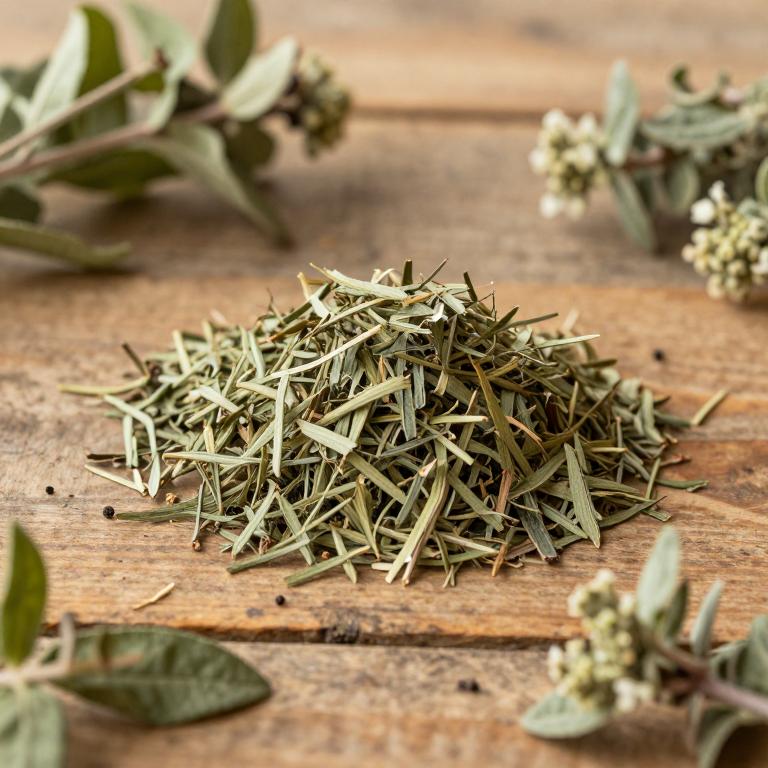
Lantana hirta is a versatile plant that is widely recognized by its common name, Orégano de monte. This nickname reflects its aromatic qualities and its deep-rooted connection to local traditional uses. Often found growing in wild or semi-wild settings, the species thrives in diverse environments. Its distinct foliage and colorful blooms make it a standout feature in many natural landscapes. Understanding these local names helps gardeners and botanists connect more deeply with the plant's cultural heritage.
Sources: Catalogue of Life (COL)
Synonyms
Lantana hirta is a diverse species characterized by a complex web of botanical synonyms. Within taxonomic literature, it is frequently identified under various names such as Lantana costaricensis and Lantana geroldiana. The plant's variability is further reflected in its classification as Lantana hintonii. Specific forms and varieties also exist, including the distinct Lantana hirta f. caerulea. Additionally, the taxon is recognized by the synonym Lantana hirta var. pubescens to account for its morphological differences.
Sources: The World Checklist of Vascular Plants (WCVP)
Taxonomy
Lantana hirta is a remarkable species that belongs to the vast kingdom Plantae. Within this biological kingdom, it is specifically classified under the class Equisetopsida. This plant is further organized into the order Lamiales, showcasing its evolutionary connections. It falls under the distinct genus Lantana, which helps botanists identify its unique characteristics. Finally, its taxonomic journey concludes within the family Verbenaceae, placing it among its close botanical relatives.
| Rank | Classification |
|---|---|
| Kingdom | Plantae |
| Phylum | Streptophyta |
| Class | Equisetopsida |
| Subclass | Magnoliidae |
| Order | Lamiales |
| Family | Verbenaceae |
| Genus | Lantana |
Sources: The World Checklist of Vascular Plants (WCVP)
Distribution
Geographic Regions
Lantana hirta is widely distributed across Northern America and throughout various regions of Mexico. This resilient plant can be found spanning from the central territories into the Gulf coastal areas. Its presence is also noted in the northeast and southeast reaches of the Mexican landscape. Furthermore, the species thrives across the southwestern portions of the country. Together, these diverse locations highlight the expansive natural range of this widespread species.
Sources: The World Checklist of Vascular Plants (WCVP)
Identification
Morphology
Lantana hirta grows in a sturdy shrub form that allows it to thrive in various garden settings. As a self-supporting plant, it maintains its own structure without the need for external assistance.
Sources: Global Inventory of Floras and Traits (GIFT)
Biological Activities
Lantana hirta has demonstrated significant antifungal activity against pathogenic fungi that cause dieback disease in blueberries. Research conducted in Michoacán, Mexico, revealed that extracts from this medicinal plant can effectively inhibit the mycelial growth of specific pathogens. Notably, the M5L extract from this species achieved a 100% inhibition rate against both Pestalotiopsis clavispora and Colletotrichum gloeosporioides. Chemical analysis identified key bioactive compounds within the extract, specifically Phytol and α-Sitosterol. These findings highlight the promising potential of Lantana hirta as a natural source for developing new antifungal treatments.
Compounds
Conditions
Lantana hirta possesses significant antifungal properties that effectively target specific pathogens responsible for blueberry dieback disease. Specifically, extracts from this plant demonstrate a complete inhibition of the mycelial growth of Colletotrichum gloeosporioides. The plant also provides a potent treatment for Pestalotiopsis clavispora by achieving a 100% inhibition rate of its mycelial development. These powerful antifungal effects are largely attributed to major bioactive compounds found within the extract, such as Phytol and α-Sitosterol. Consequently, Lantana hirta serves as a highly effective natural agent against both C. gloeosporioides and P. clavispora.
Preparations
Lantana hirta is prepared as the M5L extract to test its potential antifungal properties. This specific extract was found to be highly effective against certain pathogenic fungi affecting blueberry plants. In laboratory trials, the M5L extract achieved a 100% inhibition rate of the mycelial growth for both Pestalotiopsis clavispora and Colletotrichum gloeosporioides. Chemical analysis of this Lantana hirta preparation revealed that Phytol and α-Sitosterol are the major compounds present. These findings highlight the effectiveness of the M5L extract in controlling specific plant pathogens.