Lantana angustifolia
Lantana angustifolia · Accepted scientific name
Scientific literature: Very Sparse (1 studies) · ★☆☆☆☆
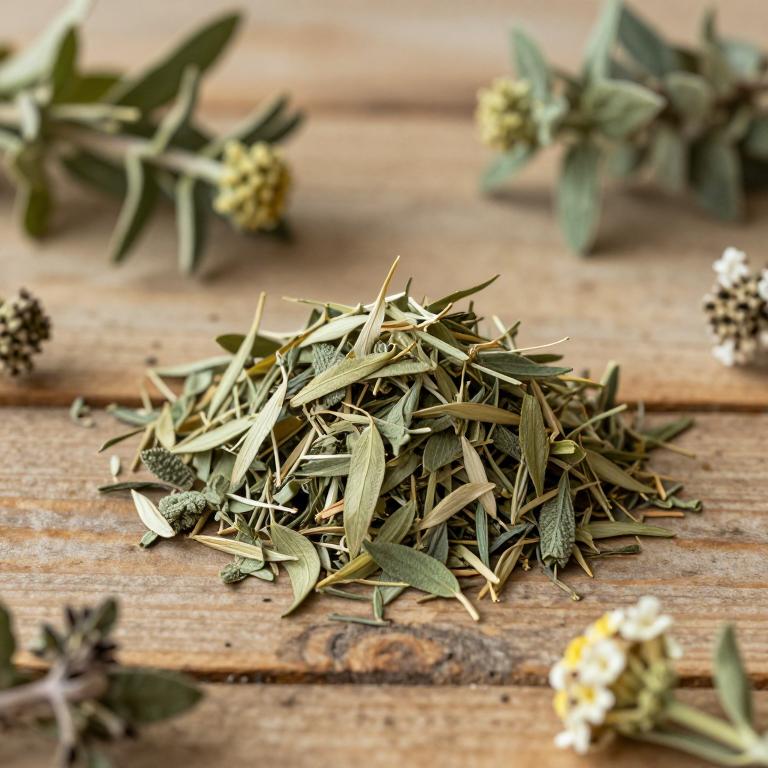
Lantana angustifolia is a resilient plant species known for its unique botanical characteristics and diverse chemical profile. Beyond its aesthetic appeal, this plant has garnered significant scientific interest due to its potential medicinal properties. Recent studies have focused on its bioactive compounds, specifically exploring their biological impact on cellular health. Most notably, researchers are investigating its activities for potential antitumor effects in various experimental models. Understanding these properties could pave the way for future advancements in natural cancer research.
- Synonyms
- Camara Stricta · Lantana Stricta
- Common names
- Not available
- Family
- Not available
- Distribution
- Not available
- Plant Parts
- Not available
Classification
Synonyms
Lantana angustifolia is a botanical species that is frequently identified by several different scientific names. Within various taxonomic records, it is recognized by the synonym Camara stricta. The plant is also commonly referred to as Lantana stricta in certain botanical contexts. Furthermore, the name Lantana suaveolens serves as another valid synonym for this particular species. Understanding these shifting nomenclatures is essential for accurate identification in the field.
Sources: The World Checklist of Vascular Plants (WCVP)
Distribution
Geographic Regions
Lantana angustifolia is a resilient species with a broad geographical presence across several tropical regions. Its natural distribution encompasses vast areas of Southern America and the Caribbean. Specifically, the plant can be found thriving throughout the diverse landscapes of Cuba. It also maintains a notable presence within the lush environments of Jamaica. This widespread range highlights the plant's ability to adapt to various island and continental ecosystems.
Sources: The World Checklist of Vascular Plants (WCVP)
Identification
Biological Activities
Lantana angustifolia is a genus that holds significant potential in the ongoing search for novel medicinal compounds. Recent scientific investigations into related species, such as Lantana involucrata, have yielded promising results in the field of oncology. Researchers successfully isolated several new naphthoquinones, known as lantalucratins A-F, which exhibit notable cytotoxic properties. Specifically, compounds 1 and 2 demonstrated potent activity against various human tumor cell lines, even those that are drug-resistant. These findings highlight the importance of exploring the Lantana genus for the development of future antitumor agents.
Compounds
Conditions
Lantana angustifolia contains specific compounds that demonstrate significant therapeutic potential against cancer. The isolated lantalucratins, specifically compounds 1 and 2, exhibit potent cytotoxic activities against various human tumor cell lines. These bioactive agents are particularly effective because they can treat drug-resistant variants of these cells. Such findings highlight the plant's ability to combat difficult-to-treat malignancies through its unique naphthoquinones. Consequently, the chemical properties of this plant offer promising pathways for addressing resistant tumor growth.