Lannea
Lannea · Accepted scientific name
Scientific literature: Very Sparse (0 studies) · ★☆☆☆☆
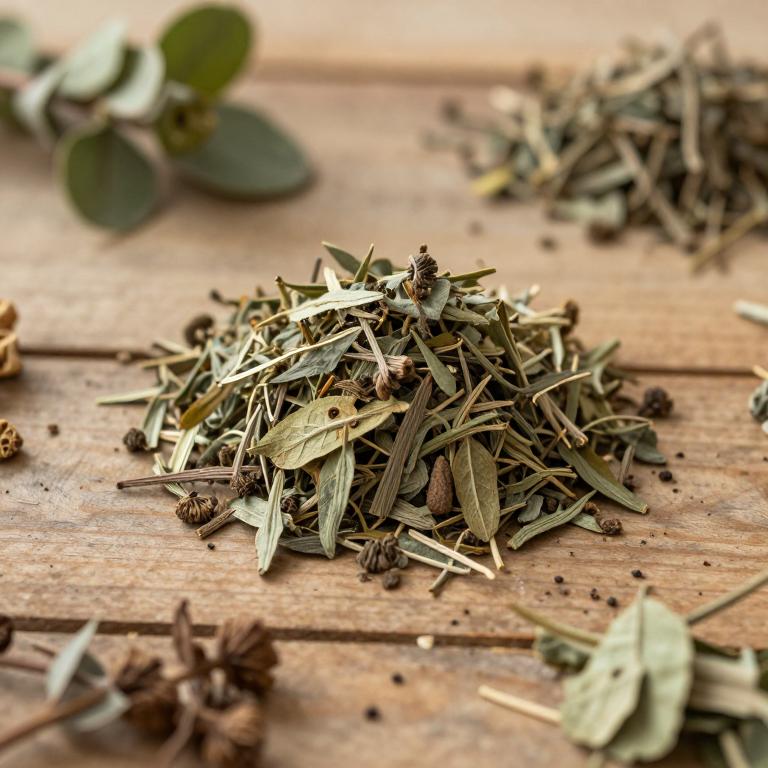
Lannea is a versatile genus of flowering plants known for its diverse botanical characteristics and medicinal potential. Various species within this group are frequently studied for the biological activities found in their bark and leaves. The leaves serve as a primary identifying feature, often exhibiting unique shapes and textures characteristic of the genus. Depending on the specific preparation, both the bark and the leaves are utilized in traditional applications. Understanding the chemical composition of these plant parts is essential for exploring their full therapeutic value.
- Synonyms
- Odina · Scassellatia · 4 more
- Common names
- Not available
- Family
- Anacardiaceae
- Distribution
- Southern America
- Plant Parts
- Leaf
Classification
Common Names
Lannea is a diverse genus of plants that is recognized by a variety of different regional names across the globe. In many English-speaking areas, these plants are frequently referred to as Knob-berry Trees or simply by their generic name, Lannea. Depending on the local landscape, they might be identified as tähtioksat or known as สกุล กุ๊ก in specific Southeast Asian contexts. Furthermore, the genus is identified in Chinese botanical circles as 厚皮树属. This wide array of nomenclature highlights the widespread presence and cultural importance of these trees in various ecosystems.
Sources: Catalogue of Life (COL)
Synonyms
Lannea is a complex genus that has been subject to various taxonomic reclassifications throughout botanical history. Scientific literature reveals that several names have been historically treated as synonyms for this plant, including the term Calesiam. Other recognized synonyms include Calsiama and Haberlia, reflecting different periods of classification. Additionally, the names Lanneoma and Odina have also been linked to the genus in various studies. Understanding these overlapping relationships is essential for researchers navigating the intricate landscape of plant nomenclature.
Sources: The World Checklist of Vascular Plants (WCVP)
Taxonomy
Lannea is a fascinating member of the kingdom Plantae that showcases the intricate complexity of biological classification. This plant belongs to the diverse class Equisetopsida and is categorized under the order Sapindales. Within this botanical lineage, it is further defined by its placement in the family Anacardiaceae. Ultimately, its specific identity is established through its membership in the genus Lannea. Through these relationships, we can better understand its unique position within the natural world.
| Rank | Classification |
|---|---|
| Kingdom | Plantae |
| Phylum | Streptophyta |
| Class | Equisetopsida |
| Subclass | Magnoliidae |
| Order | Sapindales |
| Family | Anacardiaceae |
| Genus | Lannea |
Sources: The World Checklist of Vascular Plants (WCVP)
Distribution
Geographic Regions
Lannea is a diverse genus with a widespread presence across the African continent. Within East Tropical Africa, the plant is commonly found throughout Kenya, Tanzania, and Uganda. Its range also extends into the Northeast Tropical Africa region, where it can be discovered in Chad. Additionally, the species is documented to inhabit the landscape of Djibouti. This broad distribution highlights the plant's ability to adapt to various environments across these different African territories.
Sources: The World Checklist of Vascular Plants (WCVP)
Identification
Biological Activities
Compounds
Conditions
Preparations
Lannea species are traditionally utilized in medicinal systems through various plant parts. Specifically, the bark is prepared as a key component for treating diverse health conditions. Additionally, the leaves are frequently prepared as a primary source for herbal remedies. These two parts are mostly used to approach symptoms such as fever, pain, and gastrointestinal disorders. This dual preparation of bark and leaf allows the genus to provide a wide range of biological activities.
Parts used
Lannea species belong to the Anacardiaceae family and have a long history of use in traditional medicinal systems worldwide. These plants are primarily utilized for their therapeutic properties, with the leaf and bark serving as the most important parts for medicinal applications. Scientific reviews indicate that the leaves are often employed to manage various health issues, including fever, pain, and inflammatory states. The phytochemical profile of these plants is rich in secondary metabolites, such as flavonoids and phenolic acids, which contribute to their biological efficacy. Continued research into these plant parts is essential to fully validate their potential as standardized herbal medicines.