Lannea schweinfurthii var. stuhlmannii
Lannea schweinfurthii var. stuhlmannii · Accepted scientific name
Scientific literature: Very Sparse (1 studies) · ★☆☆☆☆
Lannea schweinfurthii var. stuhlmannii is a specialized botanical variety that has garnered increasing interest within pharmacological research. Scientists are currently investigating the plant to determine the potential therapeutic benefits of its unique chemical constituents. Recent studies have focused specifically on the cytotoxic activities found within various botanical preparations. By utilizing different organic extracts, researchers aim to isolate the specific compounds responsible for inhibiting cell growth. Understanding these biological properties is essential for evaluating the plant's future utility in medicinal applications.
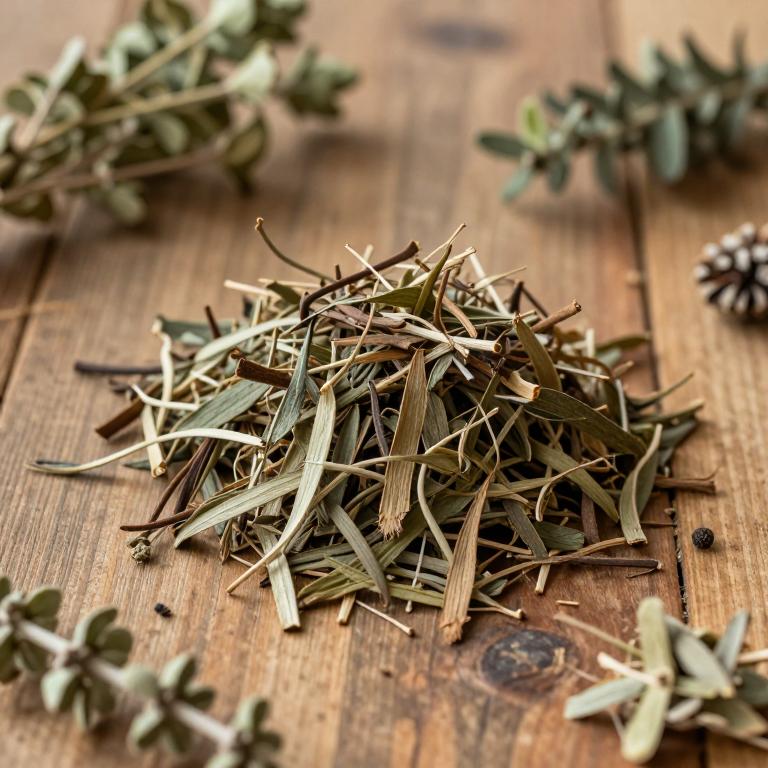
- Synonyms
- Odina Stuhlmannii Var. Oblongifoliolata · Commiphora Porensis · 7 more
- Common names
- Not available
- Family
- Anacardiaceae
- Distribution
- Southern America
- Plant Parts
- Not available
Classification
Common Names
Lannea schweinfurthii var. stuhlmannii is a distinctive botanical species known by several different common names depending on the region. It is frequently referred to as the Bastard Marula, a name that highlights its relationship to other similar plants. Many people also recognize it simply as the False Marula or the False-Marula. Variations in spelling and terminology exist, such as the German designation Falsche Marula, to describe its characteristics. Ultimately, whether called False-Marula Lannea or any of its other aliases, this plant remains a unique component of its ecosystem.
Sources: Catalogue of Life (COL)
Synonyms
Lannea schweinfurthii var. stuhlmannii is a botanical taxon that is associated with several different scientific names. This specific variety is recognized by the synonym Commiphora porensis in various taxonomic records. Furthermore, it has been historically identified under names such as Lannea ambigua and Lannea kirkii. Researchers also link it to Lannea stuhlmannii and the distinct classification of Lannea wodier var. brevifolia. Understanding these synonymous relationships is essential for accurate botanical identification and study.
Sources: The World Checklist of Vascular Plants (WCVP)
Taxonomy
Lannea schweinfurthii var. stuhlmannii is a distinct biological entity belonging to the vast kingdom Plantae. Within this expansive realm, it is classified under the class Equisetopsida. This specific variety is further organized into the order Sapindales to reflect its evolutionary lineage. It occupies a specialized position within the family Anacardiaceae, a group known for its diverse botanical characteristics. Ultimately, this plant is defined by its membership in the genus Lannea, which anchors its unique taxonomic identity.
| Rank | Classification |
|---|---|
| Kingdom | Plantae |
| Phylum | Streptophyta |
| Class | Equisetopsida |
| Subclass | Magnoliidae |
| Order | Sapindales |
| Family | Anacardiaceae |
| Genus | Lannea |
Sources: The World Checklist of Vascular Plants (WCVP)
Distribution
Geographic Regions
Lannea schweinfurthii var. stuhlmannii is a distinct botanical variety widely distributed across the African continent. In East Tropical Africa, this plant can be found thriving within the landscapes of Kenya, Tanzania, and Uganda. Its presence also extends into the regions of South Tropical Africa, where it occupies significant ecological niches. Specifically, documented populations are known to inhabit the territories of both Malawi and Mozambique. This broad geographic range highlights the adaptability of the species across diverse African environments.
Sources: The World Checklist of Vascular Plants (WCVP)
Identification
Biological Activities
Lannea schweinfurthii var. stuhlmannii demonstrates significant biological potential according to recent screening efforts of Tanzanian medicinal plants. During the evaluation of various crude extracts, the dichloromethane extract from the bark of this species was identified as a highly potent agent. Specifically, it was found to be the most cytotoxic extract tested against the human leukaemia HL-60 cell line. This activity was measured with an IC50 value of 27.15 microg/ml, highlighting its ability to inhibit cell proliferation. Such findings underscore the importance of investigating this plant further for its potential pharmacological applications.
Compounds
Lannea schweinfurthii var. stuhlmannii is a plant species notable for its high concentration of tannins. These secondary metabolites play a critical role in the plant's chemical profile and therapeutic potential. Research indicates that the tannin-rich extracts from this species exhibit significant hepatoprotective activities in vivo. By enhancing the expression of the anti-apoptotic protein Bcl-2, these compounds help protect liver cells from damage. Ultimately, the antioxidant and anti-apoptotic effects of these tannins contribute to their ability to counteract liver injury.
Conditions
Lannea schweinfurthii var. stuhlmannii exhibits significant hepatoprotective activities through its antioxidant and anti-apoptotic effects. The plant's extracts effectively treat D-GalN-induced liver injury by increasing the expression of the anti-apoptotic protein Bcl-2. These extracts also serve to treat D-galactosamine induced intoxication in rats by reducing elevated AST and total bilirubin levels. In addition to these liver-protecting properties, the dichloromethane extract of the plant demonstrates potent cytotoxic activity against HL-60 cells. These diverse biological actions highlight the medicinal potential of the species against both hepatic damage and specific cell lines.
Preparations
Lannea schweinfurthii var. stuhlmannii is prepared as extracts that are notably rich in tannins. These specific extracts are utilized to demonstrate significant hepatoprotective activities through the enhancement of the anti-apoptotic protein Bcl-2. By utilizing these prepared extracts, researchers observed a substantial increase in the total antioxidant capacity of liver tissues. The preparation process allows for the identification of various secondary metabolites, primarily tannins, which contribute to the plant's medicinal properties. Ultimately, the extracts serve as a critical medium for counteracting liver injury and protecting hepatocytes from apoptotic cell death.