Lamium purpureum
Lamium purpureum · Accepted scientific name
Scientific literature: Very Sparse (2 studies) · ★☆☆☆☆
Lamium purpureum, commonly known as red dead-nettle, is a versatile herbaceous plant recognized for its significant therapeutic potential. Recent scientific investigations have focused on the biological efficacy of its methanolic extracts. These preparations have demonstrated remarkable antioxidant properties, contributing to cellular health. Furthermore, the plant exhibits potent free-radical scavenging activities that help mitigate oxidative stress. Understanding these phytochemical characteristics highlights the medicinal importance of this widely distributed species.
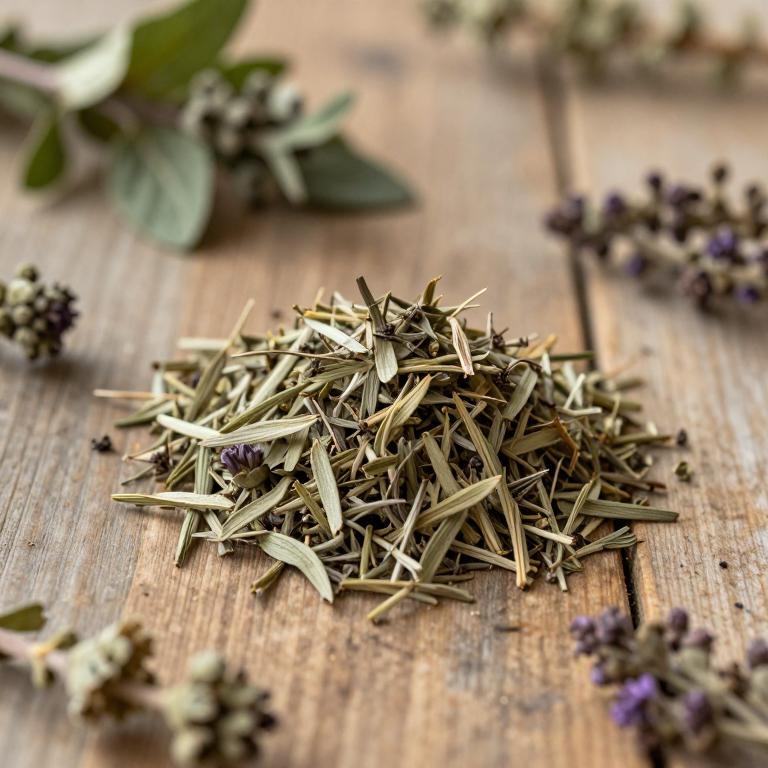
- Synonyms
- Lamiopsis Purpurea
- Common names
- Not available
- Family
- Lamiaceae
- Distribution
- Not available
- Plant Parts
- Not available
Classification
Common Names
Lamium purpureum is known by a diverse array of regional names that reflect its widespread presence across different cultures. In some areas, it is commonly referred to as Acker-Taubnessel, a name that anchors it to specific linguistic traditions. Moving through various dialects, it also goes by Akurtvítönn and the distinct Ard-firryn jiarg. The plant is further identified by the Gaelic-influenced terms Caoch-dheanntag Dhearg and Caochneantóg dhearg. These varied monikers highlight the rich botanical heritage and the multifaceted identity of this resilient species.
Sources: Catalogue of Life (COL)
Synonyms
Lamium purpureum is a common herbaceous plant frequently encountered in various natural landscapes. Within the botanical literature, this species is also identified by its synonym, Lamiopsis purpurea. Understanding these nomenclatural connections is essential for researchers studying plant taxonomy and classification. Such synonyms ensure that scientists can accurately track the plant across different historical texts and databases. Recognizing these synonymous relationships ultimately helps clarify the complex lineage of this widespread species.
Sources: The World Checklist of Vascular Plants (WCVP)
Taxonomy
Lamium purpureum is a fascinating botanical specimen that belongs to the kingdom Plantae. Within this vast kingdom, it is classified under the class Equisetopsida. The plant further falls into the order Lamiales, showcasing its specific evolutionary lineage. It is a distinguished member of the genus Lamium, which defines its unique morphological characteristics. Finally, this species is a proud representative of the Lamiaceae family, a group known for many aromatic herbs.
| Rank | Classification |
|---|---|
| Kingdom | Plantae |
| Phylum | Streptophyta |
| Class | Equisetopsida |
| Subclass | Magnoliidae |
| Order | Lamiales |
| Family | Lamiaceae |
| Genus | Lamium |
Sources: The World Checklist of Vascular Plants (WCVP)
Distribution
Geographic Regions
Lamium purpureum exhibits a widespread geographical presence that spans across various regions of Africa and Macaronesia. Its distribution is notably prominent throughout the Atlantic islands, including the Azores, the Canary Islands, and Madeira. Within the African continent, the plant is frequently found throughout Northern Africa. Specifically, it maintains a strong foothold in countries such as Algeria and Morocco. This broad range highlights the plant's ability to thrive across diverse Mediterranean and Atlantic environments.
Sources: The World Checklist of Vascular Plants (WCVP)
Identification
Morphology
Lamium purpureum is a versatile herb characterized by its distinct self-supporting growth form. This plant exhibits significant variability in stature depending on its environmental conditions. While it can reach a maximum height of 3 meters, it often remains much smaller in many settings. Its minimum growth height can be as low as 0.05 meters, though it frequently establishes itself at a more common minimum of 0.211 meters. Such diverse dimensions allow this species to adapt effectively to various ecological niches.
Sources: Global Inventory of Floras and Traits (GIFT)
Biological Activities
Lamium purpureum has demonstrated significant biological potential through its documented antioxidant and free-radical scavenging activities. In scientific studies involving various wild European Lamiaceae species, methanolic extracts of this plant were tested using several specialized in vitro assays. Specifically, the plant exhibited measurable effectiveness in the DPPH reduction spectrophotometric assay for scavenging free radicals. Furthermore, results from lipid peroxidation assays showed that Lamium species, including L. purpureum, can exceed 70% inhibition in preventing lipid oxidation. These findings highlight the complex chemical mechanisms that contribute to the plant's overall antioxidant capacity.
Compounds
Conditions
Lamium purpureum demonstrates specific antioxidant capabilities through its performance in various in vitro testing methods. In the DPPH reduction spectrophotometric assay, this species exhibited a measurable capacity for scavenging free radicals. It also showed significant effectiveness in the lipid peroxidation assay, where it helped inhibit lipid oxidation. Specifically, the extracts of Lamium species, including Lamium purpureum, achieved inhibition levels that slightly exceeded 70%. These results confirm that the plant plays a functional role in both DPPH scavenging and the prevention of lipid peroxidation.
Preparations
Lamium purpureum is prepared as methanolic extracts to evaluate its medicinal properties. These specific extracts were subjected to various in vitro assays to determine their antioxidative effects. During the DPPH scavenging test, the plant demonstrated a particular level of free radical scavenging capability. The study also utilized these methanolic preparations to assess reducing potential and the inhibition of lipid oxidation. Consequently, the research highlights how the preparation of Lamium purpureum as a methanolic extract allows for the investigation of its complex antioxidant mechanisms.