Lamium flexuosum subsp. flexuosum
Lamium flexuosum subsp. flexuosum · Accepted scientific name
Scientific literature: Very Sparse (5 studies) · ★☆☆☆☆
Lamium flexuosum subsp. flexuosum is a botanical specimen recognized for its diverse range of therapeutic activities, including antioxidant, antimicrobial, and antiviral properties. Scientific studies highlight its significant capacity for free-radical scavenging, making it a subject of interest in medicinal research. The plant's flowers are the primary part utilized for various preparations, such as aqueous extracts, infusions, and methanolic extracts. These floral preparations are valued for their potential to act as antiseptic, antibiotic, and antispasmodic agents. Consequently, this subspecies serves as a rich natural resource for addressing various physiological conditions through its bioactive compounds.
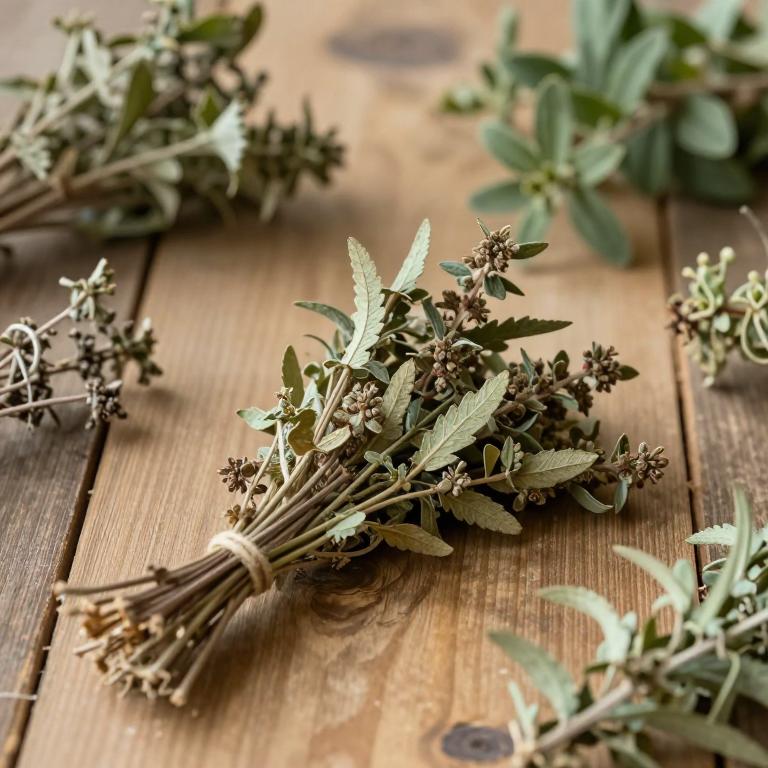
- Synonyms
- Lamium Heterophyllum · Lamium Petitinum · 1 more
- Common names
- Not available
- Family
- Lamiaceae
- Distribution
- Not available
- Plant Parts
- Flower
Classification
Synonyms
Lamium flexuosum subsp. flexuosum is a botanical entity characterized by a complex web of taxonomic synonyms. Within scientific literature, this specific subspecies is frequently identified by the name Lamium album var. parviflorum. It is also recognized under the synonym Lamium heterophyllum, reflecting different historical classifications. Furthermore, the name Lamium petitinum serves as another formal synonym used to describe this plant. Navigating these various designations is essential for researchers seeking to maintain accuracy in botanical studies.
Sources: The World Checklist of Vascular Plants (WCVP)
Taxonomy
Lamium flexuosum subsp. flexuosum is a distinct botanical entity that belongs to the expansive kingdom Plantae. Within this vast kingdom, the plant is categorized under the class Equisetopsida. It further refines its biological identity as a member of the order Lamiales. This specific lineage places the plant firmly within the family Lamiaceae. Ultimately, it is classified under the specialized genus Lamium, showcasing its unique place in the natural world.
| Rank | Classification |
|---|---|
| Kingdom | Plantae |
| Phylum | Streptophyta |
| Class | Equisetopsida |
| Subclass | Magnoliidae |
| Order | Lamiales |
| Family | Lamiaceae |
| Genus | Lamium |
Sources: The World Checklist of Vascular Plants (WCVP)
Distribution
Geographic Regions
Lamium flexuosum subsp. flexuosum maintains a diverse geographical presence spanning across both Africa and Europe. In the African continent, this subspecies is widely distributed throughout Northern Africa, specifically within the territories of Algeria, Morocco, and Tunisia. Its reach extends into Europe as well, where it can be found throughout Southeastern Europe. Notable sightings include its occurrence in Italy, particularly within the region of Sicilia. This broad distribution highlights the plant's ability to thrive across varied Mediterranean landscapes.
Sources: The World Checklist of Vascular Plants (WCVP)
Identification
Biological Activities
Lamium flexuosum subsp. flexuosum demonstrates a diverse range of biological activities that highlight its potential medicinal value. Research indicates that this subspecies possesses significant antioxidant properties, which are essential for maintaining cellular health. Furthermore, it exhibits notable free-radical scavenging capabilities, helping to neutralize harmful oxidative stress within biological systems. The plant also shows effective antimicrobial activity, providing a natural defense against various microorganisms. Additionally, its antiviral potential is of particular interest, as evidenced by the identification of specific compounds that can inhibit viral processes.
Compounds
Lamium flexuosum subsp. flexuosum is characterized by a diverse chemical profile that includes several significant bioactive compounds. Detailed phytochemical analysis reveals that this subspecies contains the flavonoid tiliroside, which contributes to its medicinal potential. Additionally, the plant is a source of essential fatty acids, specifically linoleic acid and linolenic acid. The presence of tricoumaroyl spermidine further distinguishes its unique chemical composition. Together, these constituents highlight the complex biological properties inherent to this plant species.
Conditions
Lamium flexuosum subsp. flexuosum exhibits significant therapeutic potential by acting to treat anti-inflammatory conditions. The plant also functions to treat antioxidant imbalances through its diverse bioactive constituents. Research indicates that it can treat DPPH scavenging requirements by effectively reducing free radicals. Additionally, the plant serves to treat Fusarium growth by inhibiting mycelium development in specific fungal strains. These properties suggest that it may eventually be used to treat Fusarium infections in agricultural settings.
Preparations
Lamium flexuosum subsp. flexuosum is prepared as flower extracts to investigate its biological properties and potential efficacy. This specific subspecies is also prepared as an aqueous extract for phytochemical studies and the identification of bioactive compounds. Furthermore, Lamium flexuosum subsp. flexuosum is prepared as infusions to assess its impact on key drug metabolism mechanisms and gene expression. Researchers also utilize Lamium flexuosum subsp. flexuosum prepared as methanolic extracts to evaluate its antioxidant and free radical scavenging capabilities. These various preparation methods allow for a comprehensive analysis of the plant's diverse medicinal applications.
Parts used
Lamium flexuosum subsp. flexuosum possesses a specific part flower that serves as a significant source of bioactive compounds. While the provided research primarily focuses on the closely related Lamium album, it highlights how floral components in this genus are rich in medicinal properties. Studies indicate that extracts from these flowering tops can exhibit potent antiviral activities, such as inhibiting the hepatitis C virus. Furthermore, these floral extracts have demonstrated the ability to control fungal growth and reduce mycotoxin biosynthesis in certain pathogens. Such findings underscore the importance of studying specific plant parts to uncover new natural product-derived therapeutics.