Laggera
Laggera · Accepted scientific name
Scientific literature: Very Sparse (0 studies) · ★☆☆☆☆
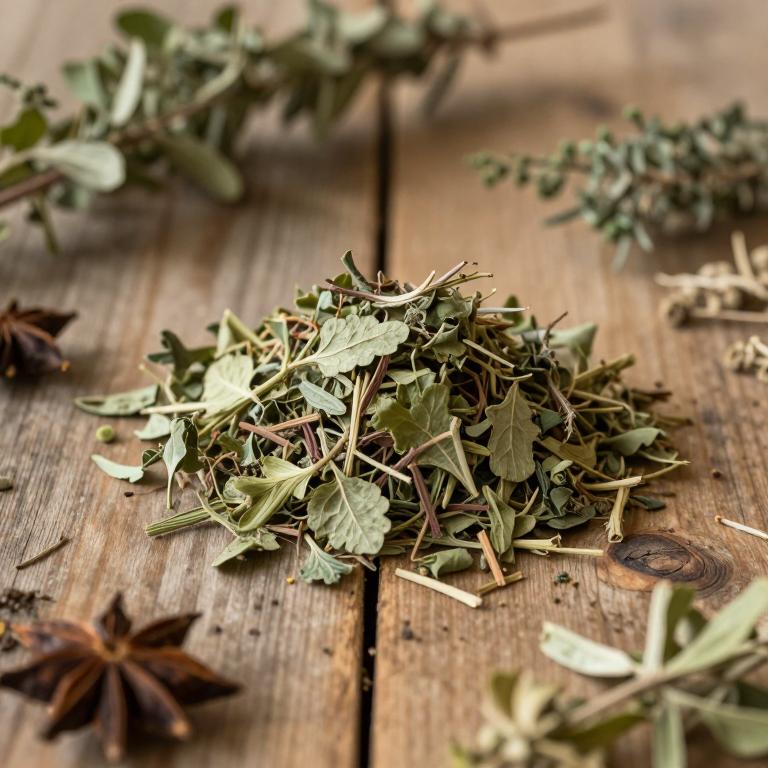
Laggera is a remarkable plant known for its diverse range of medicinal properties and therapeutic potential. It contains significant amounts of flavonoids, which contribute to its potent biological activities. This plant is frequently utilized in traditional remedies to combat various bacterial diseases and soothe inflammation. Additionally, it has been studied for its ability to assist in managing conditions such as bronchitis and jaundice. Understanding its chemical composition offers valuable insights into its role in natural healthcare.
- Synonyms
- Not available
- Common names
- Not available
- Family
- Asteraceae
- Distribution
- Not available
- Plant Parts
- Not available
Classification
Common Names
Laggera is a botanical genus that is frequently referred to by the common name Lagera. In various linguistic contexts, this plant is also known by the Chinese designation 六棱菊属. Depending on the specific regional script used, it may also be identified as 六棱菊屬. These naming variations highlight the diverse ways the plant is categorized across different cultures. Understanding these synonymous terms ensures clarity when studying this specific group of flora.
Sources: Catalogue of Life (COL)
Taxonomy
Laggera is a distinctive botanical entity belonging to the vast kingdom Plantae. Within this expansive realm, it is specifically classified under the class Equisetopsida. This plant is a member of the order Asterales, which connects it to a diverse array of flowering species. Further narrowing its biological identity, it falls under the prominent family Asteraceae. Ultimately, it is defined by its unique position within the genus Laggera.
| Rank | Classification |
|---|---|
| Kingdom | Plantae |
| Phylum | Streptophyta |
| Class | Equisetopsida |
| Subclass | Magnoliidae |
| Order | Asterales |
| Family | Asteraceae |
| Genus | Laggera |
Sources: The World Checklist of Vascular Plants (WCVP)
Distribution
Geographic Regions
Laggera exhibits a diverse geographical footprint that spans multiple regions across the African continent. Its presence is particularly noted throughout East Tropical Africa, with established populations found in Kenya, Tanzania, and Uganda. The genus also reaches into Northeast Tropical Africa, specifically within the territory of Chad. Beyond the mainland, the distribution extends to the Macaronesia region, including the islands of Cape Verde. This wide-ranging habitat highlights the plant's ability to adapt to various African ecological zones.
Sources: The World Checklist of Vascular Plants (WCVP)
Identification
Biological Activities
Compounds
Laggera is a diverse genus within the Asteraceae family that holds significant value in traditional and folk medicines. Many species in this group are utilized to treat various ailments, ranging from inflammation and jaundice to bacterial diseases. A key aspect of their chemical profile is found within their essential oils, which serve as rich sources of bioactive compounds. Specifically, these oils contain a notable presence of sesquiterpenes alongside oxygenated monoterpenes. Understanding these chemical components is essential for exploring the broader ethnopharmacological potential of the genus.
Conditions
Laggera species are frequently utilized in traditional and folk medicines to treat various medical conditions. These plants are known to effectively treat bacterial diseases and manage inflammation. They are also employed in the treatment of bronchitis and the relief of phlegm. Furthermore, Laggera serves as a medicinal resource for treating jaundice. Finally, the genus is recognized for its role in the treatment of leukemia.