Lablab
Lablab · Accepted scientific name
Scientific literature: Very Sparse (0 studies) · ★☆☆☆☆
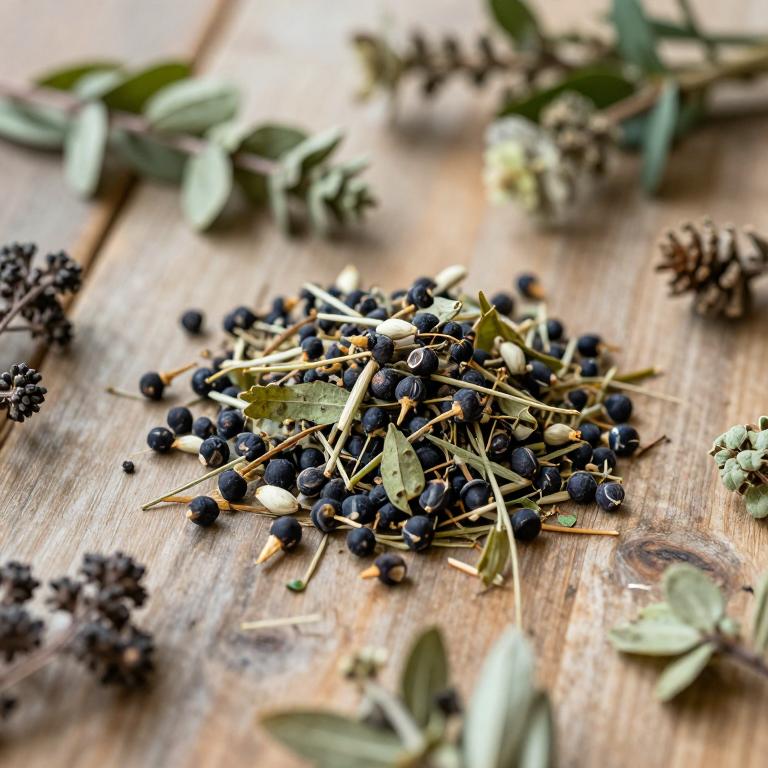
Lablab is a versatile legume known for its significant nutritional and medicinal potential. The seeds of this plant serve as a primary source of bioactive compounds. Within these seeds, specific glucosides play a crucial role in its biological activities. Researchers often utilize specialized extracts to study the therapeutic properties of the plant. Understanding these components provides valuable insights into the plant's overall health benefits.
- Synonyms
- Lablavia
- Common names
- Not available
- Family
- Fabaceae
- Distribution
- Not available
- Plant Parts
- Seed
Classification
Common Names
Lablab is a versatile legume known by a wide variety of names depending on the region and language. In many parts of the world, it is commonly referred to as the hyacinth-bean or hyasinttipavut. Some gardeners and farmers might also recognize it by the names frijoles jacinto or wspięga. Regardless of which title is used, this plant remains a significant source of nutrition across different cultures. Ultimately, whether you call it lablab or one of its many aliases, its importance in global agriculture is undeniable.
Sources: Catalogue of Life (COL)
Synonyms
Lablab is a versatile legume that is frequently recognized by its scientific synonym, Lablavia. While researchers often use these terms interchangeably, understanding the linguistic connection is essential for accurate botanical identification. This plant serves as a vital resource in many ecosystems due to its ability to enrich the soil. By mastering these naming conventions, gardeners and scientists can better document its unique characteristics. Consequently, recognizing both names ensures clarity in all discussions regarding this productive species.
Sources: The World Checklist of Vascular Plants (WCVP)
Taxonomy
Lablab is a remarkable member of the kingdom Plantae, showcasing the diverse beauty found within the natural world. It belongs to the class Equisetopsida and is specifically categorized under the order Fabales. Within this taxonomic structure, the plant is a distinguished representative of the family Fabaceae. Its classification is further refined by its placement in the genus Lablab, which defines its unique botanical characteristics. Understanding these scientific relationships helps illustrate the plant's vital role in its biological community.
| Rank | Classification |
|---|---|
| Kingdom | Plantae |
| Phylum | Streptophyta |
| Class | Equisetopsida |
| Subclass | Magnoliidae |
| Order | Fabales |
| Family | Fabaceae |
| Genus | Lablab |
Sources: The World Checklist of Vascular Plants (WCVP)
Distribution
Geographic Regions
Lablab exhibits a broad geographic distribution across several diverse regions within the African continent. In East Tropical Africa, the plant is notably established in the countries of Kenya, Tanzania, and Uganda. Its presence extends beyond the mainland to the Macaronesian islands, where it can be found thriving in specific locales. Specifically, populations have been documented within the Canary Islands and across Cape Verde. This wide-ranging habitat highlights the plant's ability to adapt to various environments throughout these tropical and Atlantic territories.
Sources: The World Checklist of Vascular Plants (WCVP)
Identification
Biological Activities
Compounds
Lablab purpureus, commonly known as Lablab semen album, is a highly versatile plant belonging to the Fabaceae family. Beyond its extensive traditional uses in Chinese medicine, phytochemical analyses have revealed a complex chemical profile within its seeds. Specifically, lablab contains glucosides, which are among the many bioactive compounds found in the plant alongside triterpenoid saponins and polysaccharides. These constituent elements contribute to a wide array of biological activities, ranging from antioxidant to immunomodulatory effects. Consequently, understanding these chemical relationships is essential for optimizing the plant's application in both pharmaceutical and food industries.
Conditions
Preparations
Lablab is prepared as extracts to harness its diverse biological activities and pharmacological effects. These extracts exhibit significant properties, including hypolipidemic, hypoglycemic, immunomodulatory, and antioxidant capabilities. Through the extraction process, researchers can isolate key chemical components such as triterpenoid saponins, glucosides, and polysaccharides. Such preparations are essential for utilizing the plant in the pharmaceutical and food industries. Proper extraction and preparation are critical, as the plant can exhibit inherent toxicity if not handled correctly.
Parts used
Lablab, also commonly known as the Indian bean (Dolichos lablab L.), possesses specialized seeds that serve as a significant source of biological research. Within these seeds, scientists have successfully isolated a specific lectin through the use of affinity chromatography. This purified lectin is characterized by its homogeneous structure, consisting of multiple subunits and trace amounts of manganese and zinc. Interestingly, the lectin demonstrates the ability to agglutinate human erythrocytes regardless of ABO blood group classifications. Such findings highlight how the unique properties of the lablab seed can provide valuable insights into molecular biology and protein interactions.