Lablab purpureus subsp. purpureus
Lablab purpureus subsp. purpureus · Accepted scientific name
Scientific literature: Very Sparse (1 studies) · ★☆☆☆☆
Lablab purpureus subsp. purpureus is a versatile plant that offers significant therapeutic potential in traditional medicine. The flowers and seeds are particularly valued for their diverse biological properties and healing capabilities. When prepared using the flowers, this plant has demonstrated notable antifungal activities against various pathogens. Additionally, it is frequently utilized to help manage and alleviate symptoms of inflammation within the body. Understanding these specific medicinal applications highlights the importance of this subspecies in natural healthcare.
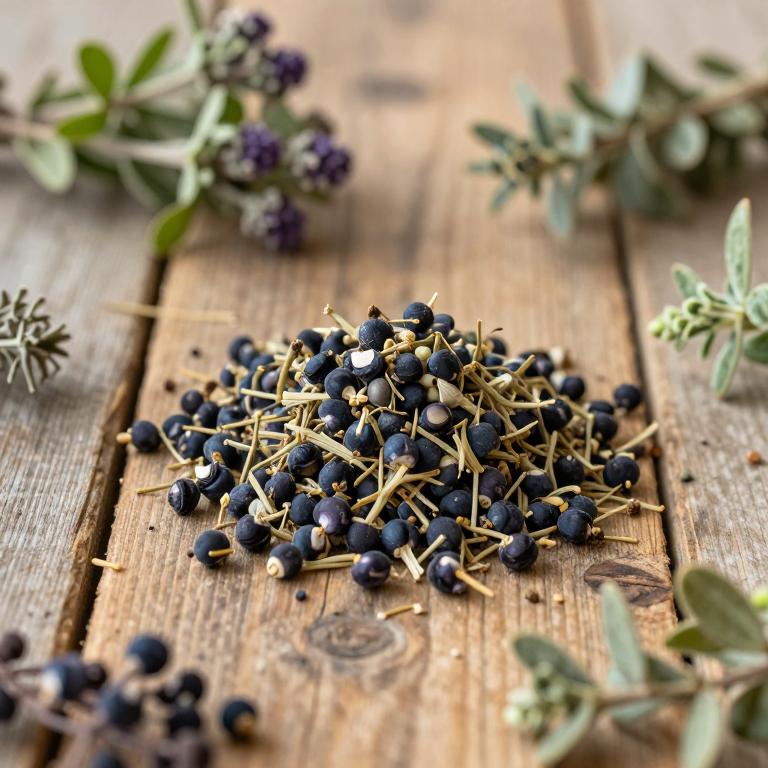
- Synonyms
- Lablab Ferrugineus · Lablab Cultratus · 26 more
- Common names
- Not available
- Family
- Fabaceae
- Distribution
- Not available
- Plant Parts
- Flower · Seed
Classification
Common Names
Lablab purpureus subsp. purpureus is a versatile legume known by several distinct names across different regions and languages. In some areas, it is affectionately referred to as the Bonavist Bean, while others recognize it as the Egyptian Kidney Bean. Its linguistic variety extends into German-speaking territories, where it is commonly called the Faselbohne. Additionally, it is identified as the Helmbohne, a name that highlights its unique botanical characteristics. Finally, in certain contexts, it may also be recognized by the name Hjelmbønne.
Sources: Catalogue of Life (COL)
Synonyms
Lablab purpureus subsp. purpureus is a botanical taxon that is associated with several different scientific names. Within various taxonomic records, this specific subspecies is linked to the synonym Dolichos albus. It is also identified in botanical literature as Dolichos amoenus and Dolichos crenatifructus. Furthermore, the plant is recognized under the names Dolichos cultratus and Dolichos lablab. These various synonyms reflect the complex historical classification of this versatile legume.
Sources: The World Checklist of Vascular Plants (WCVP)
Taxonomy
Lablab purpureus subsp. purpureus is a distinctive botanical specimen belonging to the vast kingdom Plantae. Within this expansive kingdom, it is specifically classified under the class Equisetopsida. The plant's taxonomic journey continues through the order Fabales, highlighting its evolutionary lineage. It further resides within the prominent family Fabaceae, a group well-known for its diverse legumes. Ultimately, this subspecies is defined by its placement within the specific genus Lablab.
| Rank | Classification |
|---|---|
| Kingdom | Plantae |
| Phylum | Streptophyta |
| Class | Equisetopsida |
| Subclass | Magnoliidae |
| Order | Fabales |
| Family | Fabaceae |
| Genus | Lablab |
Sources: The World Checklist of Vascular Plants (WCVP)
Distribution
Geographic Regions
Lablab purpureus subsp. purpureus maintains a diverse geographical presence across several key regions of the African continent. In East Tropical Africa, this subspecies is widely distributed throughout both Tanzania and Uganda. Its reach extends beyond the mainland to include the unique environments of Macaronesia. Specifically, it can be found thriving within the Canary Islands, Cape Verde, and Madeira. This broad distribution highlights the plant's ability to adapt to various African and Atlantic island ecosystems.
Sources: The World Checklist of Vascular Plants (WCVP)
Identification
Biological Activities
Lablab purpureus subsp. purpureus serves as a significant biological source for the discovery of specialized antifungal proteins. Researchers have successfully isolated a unique chitinase-like protein from its seeds, which has been designated as dolichin. This specific protein demonstrates potent antifungal activity against various pathogens, including Fusarium oxysporum, Rhizoctonia solani, and Coprinus comatus. Beyond its ability to combat fungi, the protein also shows promise in inhibiting enzymes associated with HIV infection. Such findings highlight the diverse medicinal potential inherent within this plant species.
Compounds
Conditions
Lablab purpureus subsp. purpureus exhibits diverse biological activities through specific components isolated from its seeds and flowers. The antifungal protein dolichin, purified from the seeds, effectively treats the fungi Coprinus comatus, Fusarium oxysporum, and Rhizoctonia solani. Additionally, the plant demonstrates potent anti-inflammatory properties through various constituents found in its flowers. These floral compounds work to treat the activation of the NLRP3 inflammasome to reduce tissue damage. Ultimately, this mechanism serves to treat IL-1β release, thereby mitigating the effects of inflammation.
Preparations
Lablab purpureus subsp. purpureus is prepared as flowers to extract various bioactive constituents. These floral components are utilized in traditional Chinese medicine for both medicinal treatments and dietary consumption. Scientific investigation into these flowers has led to the identification of fourteen specific compounds, such as flosdolilabsaponins. Research indicates that these flower-derived ingredients possess significant anti-inflammatory activity. Specifically, the compounds found in the flowers work by suppressing the activation of the NLRP3 inflammasome to inhibit IL-1β release.
Parts used
Lablab purpureus subsp. purpureus is a versatile plant that offers significant biological benefits through its various components. Research into its flowers has revealed several unique compounds, such as flosdolilabsaponins, which demonstrate promising anti-inflammatory activities by suppressing the NLRP3 inflammasome. Beyond its floral properties, the seeds of this species serve as a rich source of specialized proteins. Specifically, the isolation of the antifungal protein dolichin from the seeds highlights its potential in combating various fungal pathogens and inhibiting certain viral enzymes. Together, these findings underscore the medicinal importance of both the flowers and seeds of this plant.