Kunzea
Kunzea · Accepted scientific name
Scientific literature: Very Sparse (0 studies) · ★☆☆☆☆
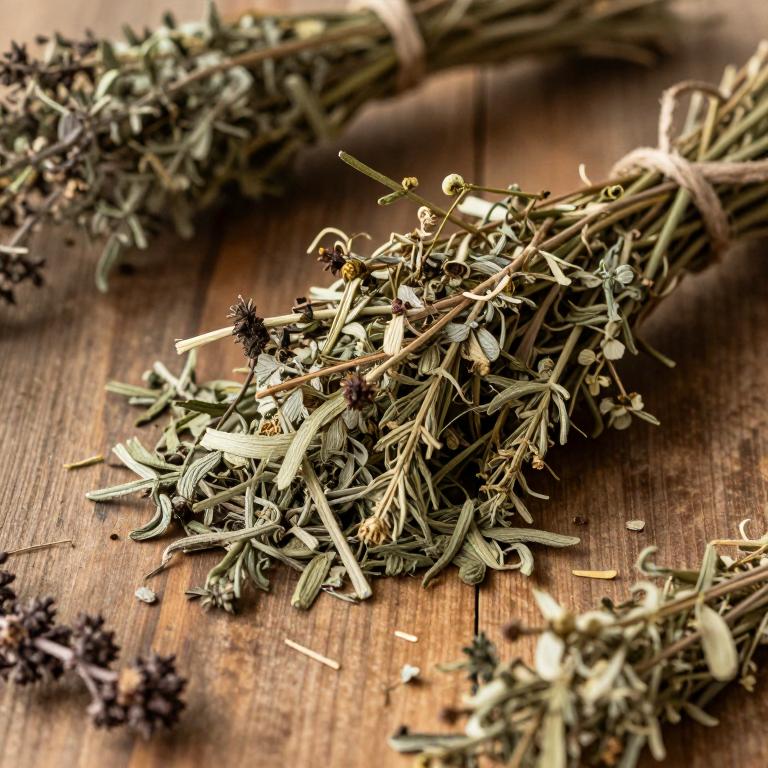
Kunzea is a versatile genus of flowering shrubs that is highly valued for its aromatic properties. Many species within this group are primarily utilized for the extraction of potent essential oils. These preparations are prized in aromatherapy for their refreshing and woody scents. Due to their concentrated nature, the oils are often used in topical blends and therapeutic applications. Understanding the unique characteristics of Kunzea is essential for anyone interested in botanical oil production.
- Synonyms
- Angasomyrtus · Tillospermum · 2 more
- Common names
- Not available
- Family
- Myrtaceae
- Distribution
- Southern America
- Plant Parts
- Not available
Classification
Common Names
Kunzea is a diverse genus of flowering plants that is recognized by various names across different linguistic contexts. In English-speaking regions, it is most commonly referred to simply as kunzea. This botanical group is also known by the Japanese name クンゼア属, reflecting its presence in East Asian horticultural discussions. Within Chinese botanical texts, the plant is identified as 纓柳梅屬, highlighting its unique classification. Understanding these various common names is essential for researchers and gardeners navigating international plant databases.
Sources: Catalogue of Life (COL)
Synonyms
Kunzea is a diverse genus that has historically encompassed several other botanical names through various taxonomic revisions. In the past, several distinct genera such as Angasomyrtus and Pentagonaster were recognized as separate entities. Similarly, the names Salisia and Stenospermum have been treated as synonyms within the broader Kunzea lineage. The classification also includes Tillospermum, which is now integrated into this complex group of plants. Understanding these shifting relationships is essential for anyone studying the evolving botanical history of the genus.
Sources: The World Checklist of Vascular Plants (WCVP)
Taxonomy
Kunzea is a diverse botanical group that belongs to the kingdom Plantae. Within this vast kingdom, it is specifically classified under the class Equisetopsida. The plant further follows the biological order Myrtales, which helps define its structural characteristics. As a member of the Myrtaceae family, it shares close ties with many other aromatic shrubs. Ultimately, all these classifications fall under the unique genus Kunzea.
| Rank | Classification |
|---|---|
| Kingdom | Plantae |
| Phylum | Streptophyta |
| Class | Equisetopsida |
| Subclass | Magnoliidae |
| Order | Myrtales |
| Family | Myrtaceae |
| Genus | Kunzea |
Sources: The World Checklist of Vascular Plants (WCVP)
Distribution
Geographic Regions
Kunzea is a diverse genus with a wide distribution spanning across the Australasia region. Within Australia, this plant can be found inhabiting several distinct environmental zones. Its presence is noted throughout New South Wales, the Northern Territory, and Queensland. Furthermore, the genus extends its reach into the southern landscapes of South Australia and Tasmania. This broad geographic range highlights the adaptability of Kunzea across the Australian continent.
Sources: The World Checklist of Vascular Plants (WCVP)
Identification
Biological Activities
Compounds
Conditions
Preparations
Kunzea is prepared as an essential oil to evaluate its biological activities. This oil is studied alongside mānuka and tea tree as part of the Australasian Myrtaceae family. Researchers tested the oil's scabicidal properties to determine its miticidal and ovicidal effectiveness. While it was compared to other oils, mānuka oil was found to have superior activity in these specific bioassays. Ultimately, the oil serves as a subject in research focused on identifying natural parasiticidal constituents.