Krauseola mosambicina
Krauseola mosambicina · Accepted scientific name
Scientific literature: Very Sparse (0 studies) · ★☆☆☆☆
Krauseola mosambicina is a medicinal plant frequently utilized in traditional healing practices for its diverse pharmacological potential. Recent studies have focused on the efficacy of its aqueous decoctions in combating various pathogenic microorganisms. These preparations have demonstrated significant inhibitory effects against several clinically relevant bacteria, including Bacillus cereus and Enterococcus faecalis. Furthermore, the plant extracts show promising antibacterial activity toward Escherichia coli and Proteus vulgaris. Understanding these antimicrobial properties is essential for exploring the plant's future role in natural therapeutic developments.
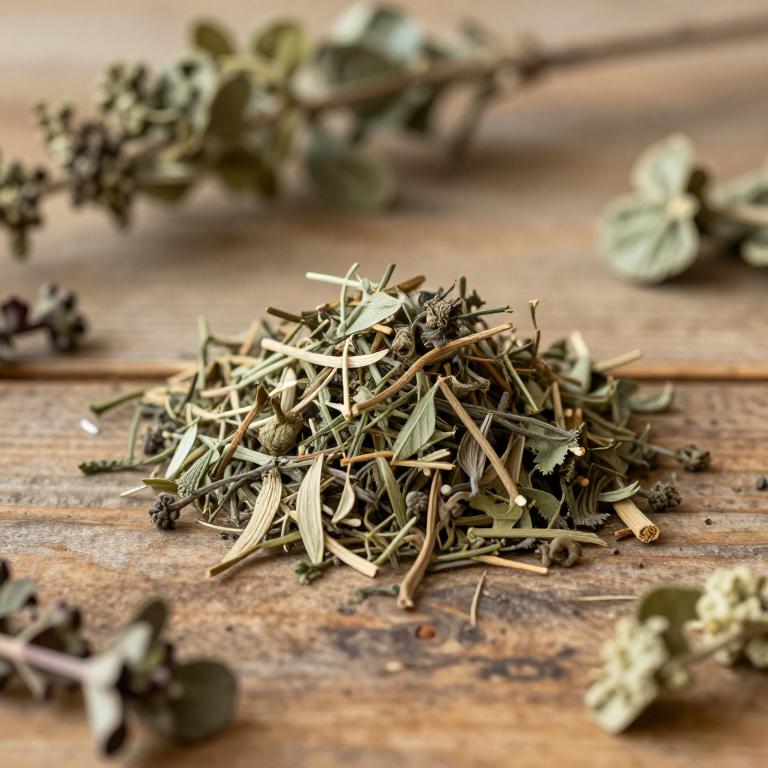
- Synonyms
- Pleiosepalum Mosambicinum
- Common names
- Not available
- Family
- Caryophyllaceae
- Distribution
- Africa
- Plant Parts
- Not available
Classification
Synonyms
Krauseola mosambicina is a botanical species that has undergone taxonomic adjustments over time. It is formally recognized as being synonymous with Pleiosepalum mosambicinum. This nomenclatural connection ensures that researchers can accurately identify the plant across different scientific databases. Understanding these naming variations is essential for maintaining clarity in plant studies. Consequently, both names refer to the same unique organism within the natural world.
Sources: The World Checklist of Vascular Plants (WCVP)
Taxonomy
Krauseola mosambicina belongs to the vast kingdom Plantae, representing the diverse world of multicellular autotrophs. Within this realm, the species is classified under the class Equisetopsida, marking its place among the flowering plants. It further descends through the order Caryophyllales, a group known for its distinct biological characteristics. This plant is specifically nested within the family Caryophyllaceae, which informs its structural and reproductive traits. Ultimately, it is identified by its unique genus, Krauseola, which defines its specific taxonomic identity.
| Rank | Classification |
|---|---|
| Kingdom | Plantae |
| Phylum | Streptophyta |
| Class | Equisetopsida |
| Subclass | Magnoliidae |
| Order | Caryophyllales |
| Family | Caryophyllaceae |
| Genus | Krauseola |
Sources: The World Checklist of Vascular Plants (WCVP)
Distribution
Geographic Regions
Krauseola mosambicina is a plant species with a specific geographical presence across the African continent. Its distribution is notably concentrated within the region of South Tropical Africa, particularly throughout Mozambique. Furthermore, the species can be found within the broader Southern Africa territory. More specifically, it has been documented growing in the KwaZulu-Natal region. This localized range highlights the unique environmental niches that support its survival.
Sources: The World Checklist of Vascular Plants (WCVP)
Identification
Morphology
Krauseola mosambicina is characterized by its distinct herb growth form. As a self-supporting species, it maintains its structure without the need for external assistance. This plant typically reaches a modest maximum height of only 0.4 m.
Sources: Global Inventory of Floras and Traits (GIFT)
Biological Activities
Compounds
Conditions
Krauseola mosambicina demonstrates significant antimicrobial potential against several bacterial pathogens associated with diarrhoea. Specifically, this plant species acts as a treatment for Bacillus cereus, Enterococcus faecalis, and Escherichia coli. It also shows efficacy in treating Proteus vulgaris and Salmonella typhimurium. These relationships highlight the plant's broad-spectrum antibacterial capabilities against key stomach-related microorganisms. Such findings support the traditional medicinal use of Krauseola mosambicina in managing diarrhoeal infections.
Preparations
Krauseola mosambicina is prepared as decoctions to address respiratory infections and related symptoms. This specific plant is part of a documented group of species used by rural communities in Maputaland for medicinal purposes. The decoctions made from such plants are primarily administered through oral consumption. These traditional preparations are often utilized in combination with steaming to enhance their therapeutic effects. This method of preparation highlights the significant role of Krauseola mosambicina in local primary healthcare practices.