White kopsia
Kopsia singapurensis · Accepted scientific name
Scientific literature: Very Sparse (24 studies) · ★☆☆☆☆
White kopsia, scientifically known as Kopsia singapurensis, is a remarkable medicinal shrub native to Southeast Asian forests. Renowned for its vibrant blooms, this species holds significant ethnobotanical value. It is traditionally utilized in various herbal remedies to treat skin ailments, inflammation, and digestive issues, showcasing its profound therapeutic potential.
- Family
- Apocynaceae
- Native range
- Asia-Tropical
- Parts used
- Leaf · Stem
- Common names
- White Kopsia · Singapore Kopsia
- Scientific synonyms
- Not available
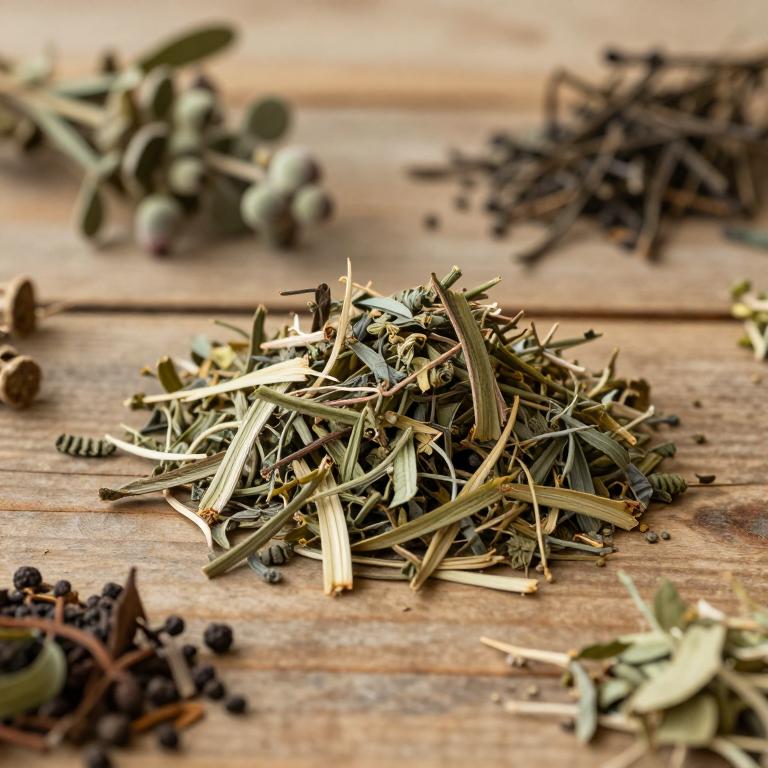
Names and Synonyms
Common Names
- White Kopsia
- Singapore Kopsia
Scientific Names
Accepted name
Kopsia singapurensisRegional and Traditional Names
Spanish:
- Kopsia singaporensis
Sources: Wikidata, Catalogue of Life
Taxonomical Classification
This plant belongs to the kingdom Plantae and the phylum Streptophyta, falling under the class Equisetopsida and subclass Magnoliidae. Within the order Gentianales, it is classified under the family Apocynaceae and the genus Kopsia. Specifically, the species is identified as Kopsia singapurensis.
| Rank | Classification |
|---|---|
| Kingdom | Plantae |
| Phylum | Streptophyta |
| Class | Equisetopsida |
| Subclass | Magnoliidae |
| Order | Gentianales |
| Family | Apocynaceae |
| Genus | Kopsia |
Sources: The World Checklist of Vascular Plants (WCVP)
Distribution
This plant, known scientifically as Kopsia singapurensis, exhibits a specific and localized geographical range. Its occurrence is primarily documented within the Malesia botanical region. Within this vast area, its distribution is specifically noted in the territory of Malaya. This limited presence suggests that the species thrives under the unique environmental conditions found in this part of Southeast Asia. Consequently, its habitat is closely tied to the tropical ecosystems characteristic of this particular region.
| Region | Area |
|---|---|
| Malesia | Malaya |
Sources: The World Checklist of Vascular Plants (WCVP)
Botanical Identification
Life history
The life history of Kopsia singapurensis is characterized by its classification as a phanerophyte, specifically exhibiting traits associated with both phanerophyte and nanophanerophyte life forms. As a phanerophyte, the plant maintains its perennial vegetative buds well above the ground surface, typically elevated on woody stems or branches, which allows it to persist through varying environmental conditions. This growth strategy ensures that the reproductive and photosynthetic structures are positioned to maximize light interception within its ecological niche. The integration of nanophanerophytic characteristics suggests a relatively compact stature among its woody growth forms, maintaining a perennial existence where the life cycle is sustained by protected buds that remain visible above the substrate.
- Life form :
- phanerophyte
Morphology
The morphology of Kopsia singapurensis is characterized by its woody structure, exhibiting a growth form classified as a tree. As a terrestrial plant, it does not function as an epiphyte, maintaining its life cycle on the ground rather than growing upon other vegetation. It is an independent organism, functioning as a non-parasitic species without reliance on a host for nutrients. Furthermore, while it possesses a robust woody constitution, its structural habit is that of a self-supporting climber, capable of maintaining its own stature through its inherent woody strength.
- Climber :
- self-supporting
- Epiphyte :
- terrestrial
- Growth form :
- tree
- Parasite :
- independent
- Woodiness :
- woody
Sources: Global Inventory of Floras and Traits (GIFT)
Plant Parts
Kopsia singapurensis has 2 reported plant parts identified across 2 scientific publications and several other databases that are studied for medicinal purposes. The most consistently reported plant part include leaf, stem.
| Plant part | Supporting sources | Consensus |
|---|---|---|
| Leaf | 1 supporting sources | ★☆☆☆☆ |
| Stem | 1 supporting sources | ★☆☆☆☆ |
Leaf
- Journal of natural products
Stem
- Journal of natural products
Chemicals
Kopsia singapurensis has 19 reported phytochemicals identified across 2 scientific publications and several other databases. The most consistently reported chemicals include Rhazinilam, 16-epiakuammiline, 16-epikopsinine, Akuammiline, Aspidofractinine.
| Chemical | Supporting sources | Consensus |
|---|---|---|
| Rhazinilam | 2 supporting sources | ★☆☆☆☆ |
| 16-epiakuammiline | 1 supporting sources | ★☆☆☆☆ |
| 16-epikopsinine | 1 supporting sources | ★☆☆☆☆ |
| Akuammiline | 1 supporting sources | ★☆☆☆☆ |
| Aspidofractinine | 1 supporting sources | ★☆☆☆☆ |
| Kopsilongine N-oxide | 1 supporting sources | ★☆☆☆☆ |
| Kopsiloscine J | 1 supporting sources | ★☆☆☆☆ |
| Kopsimaline A | 1 supporting sources | ★☆☆☆☆ |
| Kopsimaline B | 1 supporting sources | ★☆☆☆☆ |
| Kopsimaline C | 1 supporting sources | ★☆☆☆☆ |
Rhazinilam
- Journal of natural products
- Journal of ethnopharmacology
16-epiakuammiline
- Journal of natural products
16-epikopsinine
- Journal of natural products
Akuammiline
- Journal of natural products
Aspidofractinine
- Journal of natural products
Kopsilongine N-oxide
- Journal of natural products
Kopsiloscine J
- Journal of natural products
Kopsimaline A
- Journal of natural products
Kopsimaline B
- Journal of natural products
Kopsimaline C
- Journal of natural products
Preparations
Kopsia singapurensis has 1 reported preparations identified across 2 scientific publications and several other databases. The most consistently reported preparations include leaf and stem-bark extract.
| Preparation | Supporting sources | Consensus |
|---|---|---|
| Leaf and stem-bark extract | 1 supporting sources | ★☆☆☆☆ |
Leaf and stem-bark extract
- Journal of natural products