Koenigia tortuosa
Koenigia tortuosa · Accepted scientific name
Scientific literature: Very Sparse (0 studies) · ★☆☆☆☆
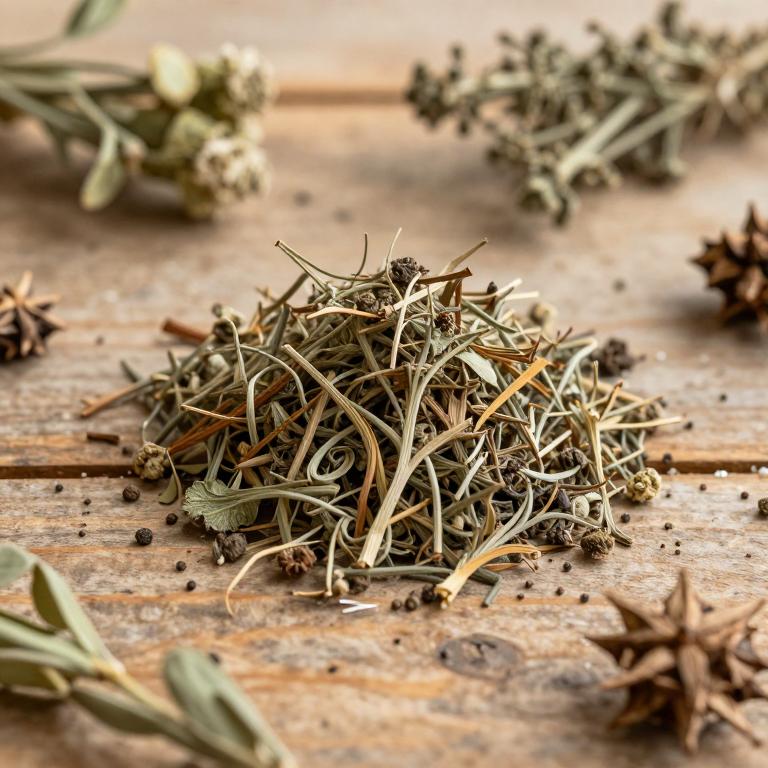
Koenigia tortuosa is a botanical species recognized for its diverse applications in traditional medicinal practices. This plant is frequently utilized to address specific physiological ailments, most notably dysentery and various forms of joint pain. To unlock its therapeutic potential, researchers employ several specialized extraction methods including aqueous, ethanol (99%), and ethyl acetate preparations. Additionally, the plant can be processed through KTEA to isolate its active constituents. Understanding these preparation techniques is essential for studying the plant's overall pharmacological profile.
- Synonyms
- Pleuropteropyrum Tortuosum · Aconogonon Tortuosum
- Common names
- Not available
- Family
- Polygonaceae
- Distribution
- Not available
- Plant Parts
- Not available
Classification
Common Names
Koenigia tortuosa is a distinctive plant that holds a significant place in traditional herbal knowledge. It is widely recognized by its common name, cha zhi shen xue ning, which reflects its cultural importance. This specific nomenclature highlights the deep-rooted connections between the species and the medicinal practices of the regions where it grows. Understanding these linguistic relationships provides valuable insight into how the plant is perceived and utilized by local communities. By exploring these naming conventions, one gains a deeper appreciation for the botanical heritage surrounding this unique organism.
Sources: Catalogue of Life (COL)
Synonyms
Koenigia tortuosa is a botanical species that is frequently identified through various scientific synonyms in academic literature. Depending on the taxonomic framework used, it may be referred to as Aconogonon tortuosum. Researchers also encounter this plant under the alternative name Pleuropteropyrum tortuosum. Furthermore, the name Polygonum tortuosum is often cited as another valid synonym for the same organism. Understanding these shifting nomenclatures is essential for ensuring accuracy in plant identification and documentation.
Sources: The World Checklist of Vascular Plants (WCVP)
Taxonomy
Koenigia tortuosa is a distinctive botanical species that belongs to the vast kingdom Plantae. Within this biological realm, it is classified under the class Equisetopsida. The plant is further categorized into the order Caryophyllales, reflecting its specific evolutionary lineage. It holds a place within the genus Koenigia, which defines its unique structural characteristics. Finally, this species is a member of the Polygonaceae family, linking it to a diverse group of related plants.
| Rank | Classification |
|---|---|
| Kingdom | Plantae |
| Phylum | Streptophyta |
| Class | Equisetopsida |
| Subclass | Magnoliidae |
| Order | Caryophyllales |
| Family | Polygonaceae |
| Genus | Koenigia |
Sources: The World Checklist of Vascular Plants (WCVP)
Distribution
Geographic Regions
Koenigia tortuosa is a versatile plant with a widespread distribution spanning various climatic zones across the Asian continent. In temperate regions, it can be found stretching from the highlands of Tibet and China into the rugged landscapes of Western Asia and Afghanistan. Moving into tropical territories, the species thrives throughout the Indian Subcontinent, particularly within the East Himalaya. Its presence is also firmly established in the diverse terrains of Nepal and Pakistan. This expansive range highlights the plant's ability to adapt to both temperate and tropical environments.
Sources: The World Checklist of Vascular Plants (WCVP)
Identification
Morphology
Koenigia tortuosa is a distinct herb characterized by its sturdy, self-supporting growth form. This plant typically maintains a modest stature, with a height that generally ranges between 0.3 m and 0.5 m. More specifically, many specimens reach a minimum height of 0.4 m as they mature. Because it stands independently, it occupies its niche in the ecosystem with ease. Overall, these dimensions define the compact and resilient nature of this species.
Sources: Global Inventory of Floras and Traits (GIFT)
Biological Activities
Compounds
Conditions
Koenigia tortuosa possesses significant therapeutic potential as it effectively treats LPS-induced inflammation by modulating various cytokine levels and inflammatory markers. According to traditional folklore claims, this medicinal plant is also used to treat dysentery and kidney-related problems. Additionally, the plant is recognized for its ability to treat joint pain and reduce swelling. These diverse medicinal applications highlight the plant's broad range of biological activities.
Preparations
Koenigia tortuosa is prepared as KTEA, aqueous, ethanol (99%), ethyl acetate, and ethyl-acetate (99%) through the Soxhlet extraction method. These various preparations of the plant are utilized to investigate its potent anti-inflammatory properties. Specifically, the study examines the efficacy of the aqueous, ethanol (99%), and ethyl-acetate (99%) extracts in modulating inflammatory markers. The research further details how the KTEA administration leads to a substantial decrease in cytokine levels in animal models. Through these different preparation methods, the bioactive potential of the plant is systematically unraveled.