Kalanchoe delagoensis
Kalanchoe delagoensis · Accepted scientific name
Scientific literature: Very Sparse (0 studies) · ★☆☆☆☆
Kalanchoe delagoensis is a succulent plant that has gained significant attention in pharmacological research due to its diverse therapeutic potential. Recent studies have focused on utilizing its extract to investigate complex biological processes such as cell proliferation and cell viability. Notably, the plant has demonstrated promising properties as a natural anticancer agent in various experimental models. Furthermore, its ability to facilitate wound healing makes it a subject of great interest for regenerative medicine. This combination of medicinal attributes highlights the importance of exploring its bioactive compounds for future drug development.
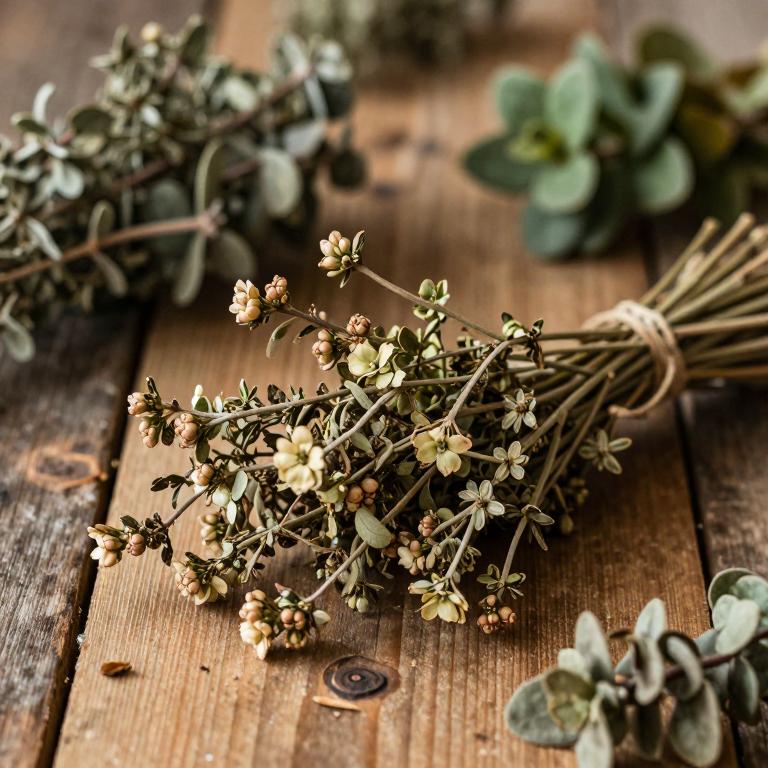
- Synonyms
- Geaya Purpurea · Bryophyllum Delagoense · 2 more
- Common names
- Not available
- Family
- Crassulaceae
- Distribution
- Asia-Tropical
- Plant Parts
- Not available
Classification
Common Names
Kalanchoe delagoensis is a versatile succulent known by a wide variety of regional names across different cultures. In the United States, it is most frequently referred to by its common name, the Chandelier Plant. It also goes by the name Flor-da-abissínia, reflecting its diverse botanical identity. In specific regions like the Dominican Republic, the plant is affectionately called Gusanillo. This variety of nomenclature highlights the widespread presence and local importance of the species.
Sources: Catalogue of Life (COL)
Synonyms
Kalanchoe delagoensis is a botanical subject characterized by a complex web of taxonomic synonyms. Throughout various scientific studies, this plant has been identified under several different names, including Bryophyllum delagoense and Bryophyllum verticillatum. It is also frequently referred to in historical literature as Geaya purpurea. Furthermore, the species has been classified as Kalanchoe verticillata in certain contexts. Understanding these overlapping designations is essential for accurate botanical identification and research.
Sources: The World Checklist of Vascular Plants (WCVP)
Taxonomy
Kalanchoe delagoensis is a distinctive member of the kingdom Plantae. Within this vast botanical realm, the species is classified under the class Equisetopsida. It belongs to the order Saxifragales, showcasing its specific evolutionary placement. Furthermore, this plant is a representative of the genus Kalanchoe. Ultimately, it finds its biological home within the succulent family Crassulaceae.
| Rank | Classification |
|---|---|
| Kingdom | Plantae |
| Phylum | Streptophyta |
| Class | Equisetopsida |
| Subclass | Magnoliidae |
| Order | Saxifragales |
| Family | Crassulaceae |
| Genus | Kalanchoe |
Sources: The World Checklist of Vascular Plants (WCVP)
Distribution
Geographic Regions
Kalanchoe delagoensis exhibits a broad and fascinating distribution across various African territories and Atlantic islands. This resilient species is naturally found throughout East Tropical Africa, with a notable presence in Kenya. Its reach extends into the Macaronesian islands, where it thrives in the unique environments of the Azores, Madeira, and the Canary Islands. Furthermore, the plant has established itself in the remote Middle Atlantic Ocean on Ascension Island. Together, these diverse locations highlight the impressive adaptability of the species across different oceanic and continental landscapes.
Sources: The World Checklist of Vascular Plants (WCVP)
Identification
Morphology
Kalanchoe delagoensis is a self-supporting herb characterized by its resilient growth form. This species exhibits a versatile size range, typically reaching a minimum height of 0.2 m. Under optimal conditions, the plant can flourish to a maximum height of 2 m. Such adaptability allows it to maintain a stable presence within its natural habitat.
Sources: Global Inventory of Floras and Traits (GIFT)
Biological Activities
Compounds
Conditions
Kalanchoe delagoensis acts as a potent anticancer agent by targeting critical processes within the cell. It effectively treats cell proliferation by inhibiting the growth of cancerous cells. The plant also treats cell viability by significantly reducing the survival rate of these cells. Through the induction of mitotic defects, such as multipolar spindles and chromosome misalignment, it disrupts normal division. Furthermore, it treats the accumulation of cells in the G2/M phase of the cell cycle to arrest further progression.
Preparations
Kalanchoe delagoensis is prepared as an extract to investigate its potential medicinal properties. While the provided research specifically focuses on Kalanchoe tubiflora, the preparation of such succulent extracts is a key step in identifying bioactive compounds. These extracts are often processed into soluble fractions, such as the n-Butanol-soluble fraction mentioned in the study. Such extraction methods allow scientists to isolate specific elements that can influence biological processes like cell proliferation. Ultimately, preparing these plant extracts is essential for exploring their role as candidates for new anticancer agents.