Kageneckia
Kageneckia · Accepted scientific name
Scientific literature: Very Sparse (0 studies) · ★☆☆☆☆
Kageneckia is a fascinating genus of flowering plants that belongs to the Fabaceae family. These woody species are primarily distributed across various regions of South America. One of the most notable biological features of this genus is its production of specialized secondary metabolites. Specifically, these plants are known to contain potent chemical compounds known as cucurbitacins. Researchers often study these unique chemicals to explore their potential pharmacological properties and ecological roles.
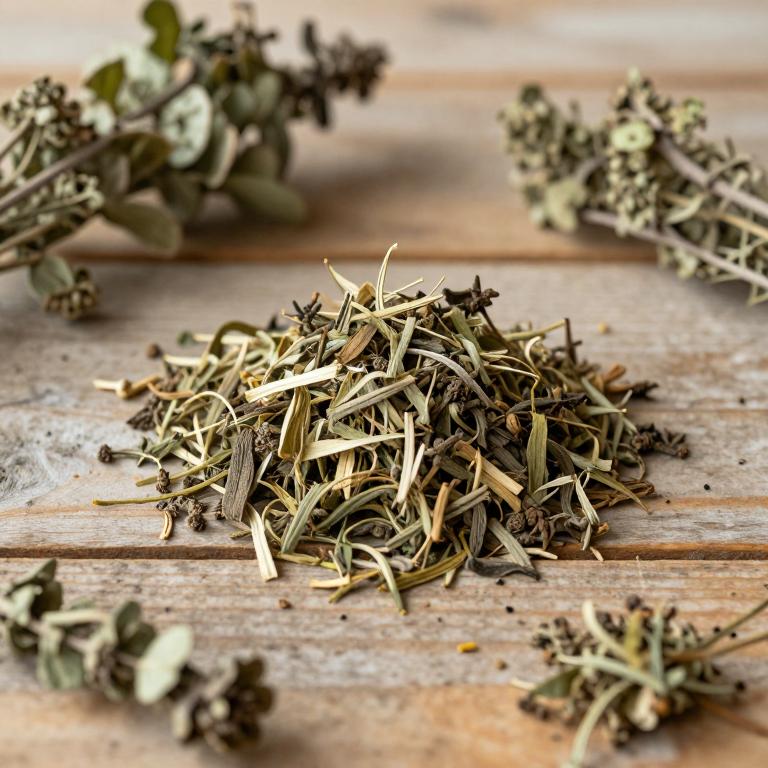
- Synonyms
- Lydaea
- Common names
- Not available
- Family
- Rosaceae
- Distribution
- Asia-Temperate
- Plant Parts
- Not available
Classification
Common Names
Kageneckia is a distinctive genus of flowering plants that holds a unique place in botanical classification. In certain regional contexts, it is identified by the common name 桐梅屬. This nomenclature reflects its specific taxonomic standing and helps researchers categorize its various species. Understanding these naming conventions is essential for anyone studying the diverse flora of its native habitats. By recognizing these linguistic links, enthusiasts can better appreciate the complex relationships within the plant kingdom.
Sources: Catalogue of Life (COL)
Synonyms
Kageneckia is a genus of plants that has undergone taxonomic revisions within botanical literature. In various historical classifications, it has been identified by the synonym Lydaea. This nomenclature shift reflects the evolving understanding of the plant's evolutionary lineage. Researchers often encounter both names when studying the diverse characteristics of this specific group. Understanding these synonyms is essential for maintaining accuracy in botanical databases and scientific research.
Sources: The World Checklist of Vascular Plants (WCVP)
Taxonomy
Kageneckia is a unique botanical entity that belongs to the vast kingdom Plantae. Within this diverse kingdom, it is classified under the class Equisetopsida. It further resides in the order Rosales, showcasing its specific evolutionary lineage. This plant is a prominent member of the family Rosaceae, sharing traits with many well-known flowering species. Ultimately, its taxonomic identity is defined by its membership in the specific genus Kageneckia.
| Rank | Classification |
|---|---|
| Kingdom | Plantae |
| Phylum | Streptophyta |
| Class | Equisetopsida |
| Subclass | Magnoliidae |
| Order | Rosales |
| Family | Rosaceae |
| Genus | Kageneckia |
Sources: The World Checklist of Vascular Plants (WCVP)
Distribution
Geographic Regions
Kageneckia is a diverse genus primarily distributed throughout the vast landscapes of Southern and Western South America. In the southern reaches, the plant is found spanning across central Chile and throughout various regions of Argentina, including the northwest and northeast. Moving toward the west, its presence extends into the rugged terrains of Bolivia. It also maintains a notable distribution within the country of Peru. This wide geographical range highlights the adaptability of the genus across different South American ecosystems.
Sources: The World Checklist of Vascular Plants (WCVP)
Identification
Biological Activities
Compounds
Kageneckia has been identified as a source of unique chemical compounds following recent botanical investigations. Researchers successfully isolated a novel cucurbitacin glycoside from the aerial parts of the species Kageneckia oblonga. This discovery marks the first official report of cucurbitacins being found within the Kageneckia genus. Through the use of spectroscopic and 2D NMR techniques, scientists were able to establish the specific complex structure of this molecule. Furthermore, in-vivo cell culture assays have demonstrated that this specific compound remains nontoxic.