peacock gingers
Kaempferia · Accepted scientific name
Scientific literature: Very Sparse (22 studies) · ★☆☆☆☆
Peacock gingers, scientifically known as Kaempferia, is a fascinating genus of medicinal plants celebrated for their striking foliage. Native to tropical regions, these herbs contain bioactive compounds used in traditional medicine to treat inflammation, digestive issues, and skin ailments, offering a unique blend of aesthetic beauty and therapeutic potential.
- Family
- Zingiberaceae
- Native range
- Asia-Temperate
- Parts used
- Not available
- Common names
- Peacock Gingers
- Scientific synonyms
- Zerumbet · Monolophus · 1 more
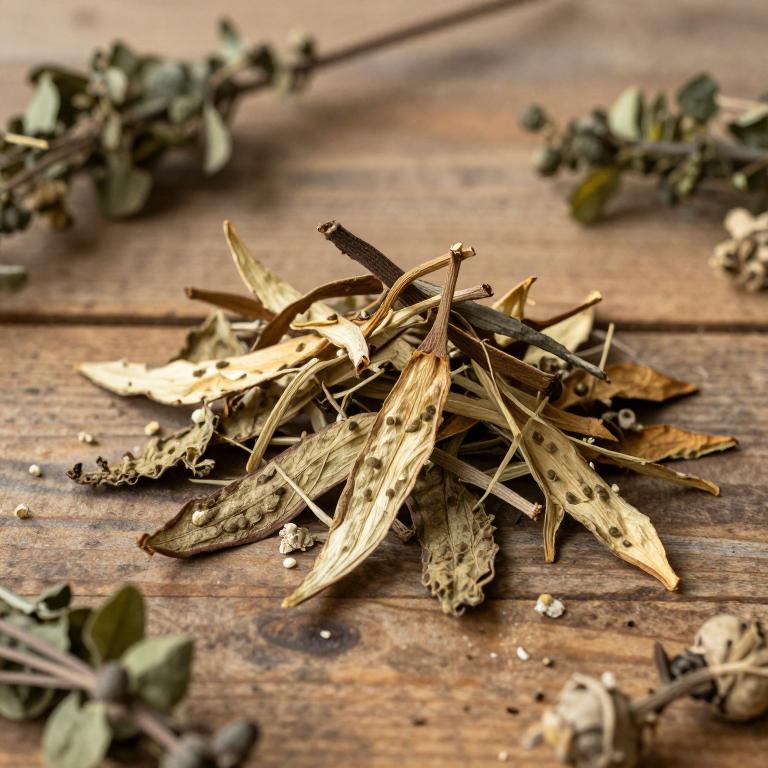
Names and Synonyms
Common Names
- peacock gingers
Scientific Names
Accepted name
KaempferiaSynonyms
- Zerumbet
- Monolophus
- Tritophus
Sources: Wikidata, Catalogue of Life
Taxonomical Classification
This plant belongs to the kingdom Plantae and is classified under the phylum Streptophyta within the class Equisetopsida. As a member of the subclass Magnoliidae and the order Zingiberales, it is specifically situated in the family Zingiberaceae. Its taxonomic identity is defined by its classification within the genus Kaempferia.
| Rank | Classification |
|---|---|
| Kingdom | Plantae |
| Phylum | Streptophyta |
| Class | Equisetopsida |
| Subclass | Magnoliidae |
| Order | Zingiberales |
| Family | Zingiberaceae |
| Genus | Kaempferia |
Sources: The World Checklist of Vascular Plants (WCVP)
Distribution
This plant exhibits a broad geographical distribution across several distinct regions of Asia. Within China, it can be found in the South-Central regions as well as throughout the Southeast. Its presence also extends to the tropical island of Hainan. In Eastern Asia, the species is specifically documented in Taiwan. Finally, its range reaches the Indian Subcontinent, particularly within the area of Assam.
| Region | Area |
|---|---|
| China | China South-Central |
| China | Hainan |
| China | China Southeast |
| Eastern Asia | Taiwan |
| Indian Subcontinent | Assam |
| Indian Subcontinent | Bangladesh |
| Indian Subcontinent | East Himalaya |
| Indian Subcontinent | India |
| Indian Subcontinent | Nepal |
| Indian Subcontinent | Sri Lanka |
Sources: The World Checklist of Vascular Plants (WCVP)
Chemicals
Kaempferia has 4 reported phytochemicals identified across 0 scientific publications and several other databases. The most consistently reported chemicals include Clerodane Diterpenoids, Curcuminoids, Flavonoids, Steroids.
| Chemical | Supporting sources | Consensus |
|---|---|---|
| Clerodane Diterpenoids | 1 supporting sources | ★☆☆☆☆ |
| Curcuminoids | 1 supporting sources | ★☆☆☆☆ |
| Flavonoids | 1 supporting sources | ★☆☆☆☆ |
| Steroids | 1 supporting sources | ★☆☆☆☆ |
Clerodane Diterpenoids
- Nutrients
Curcuminoids
- Nutrients
Flavonoids
- Nutrients
Steroids
- Nutrients
Activities
Kaempferia has 5 reported activities identified across 0 scientific publications and several other databases. The most consistently reported activities include Anticancer, Anticholinesterase, Antimicrobial, Antioxidant, Neuroprotective.
| Activity | Supporting sources | Consensus |
|---|---|---|
| Anticancer | 1 supporting sources | ★☆☆☆☆ |
| Anticholinesterase | 1 supporting sources | ★☆☆☆☆ |
| Antimicrobial | 1 supporting sources | ★☆☆☆☆ |
| Antioxidant | 1 supporting sources | ★☆☆☆☆ |
| Neuroprotective | 1 supporting sources | ★☆☆☆☆ |
Anticancer
- Nutrients
Anticholinesterase
- Nutrients
Antimicrobial
- Nutrients
Antioxidant
- Nutrients
Neuroprotective
- Nutrients
Conditions
Kaempferia has 12 reported investigations on conditions identified across 0 scientific publications and several other databases. The most consistently reported conditions include asthma, cancer, coughs, epilepsy, erectile dysfunction.
| Condition | Supporting sources | Consensus |
|---|---|---|
| Asthma | 1 supporting sources | ★☆☆☆☆ |
| Cancer | 1 supporting sources | ★☆☆☆☆ |
| Coughs | 1 supporting sources | ★☆☆☆☆ |
| Epilepsy | 1 supporting sources | ★☆☆☆☆ |
| Erectile dysfunction | 1 supporting sources | ★☆☆☆☆ |
| Fevers | 1 supporting sources | ★☆☆☆☆ |
| Hypertension | 1 supporting sources | ★☆☆☆☆ |
| Inflammation | 1 supporting sources | ★☆☆☆☆ |
| Rheumatism | 1 supporting sources | ★☆☆☆☆ |
| Skin diseases | 1 supporting sources | ★☆☆☆☆ |
Asthma
- Nutrients
Cancer
- Scientific reports
Coughs
- Nutrients
Epilepsy
- Nutrients
Erectile dysfunction
- Nutrients
Fevers
- Nutrients
Hypertension
- Nutrients
Inflammation
- Nutrients
Rheumatism
- Nutrients
Skin diseases
- Nutrients