Kaempferia pulchra
Kaempferia pulchra · Accepted scientific name
Scientific literature: Very Sparse (0 studies) · ★☆☆☆☆
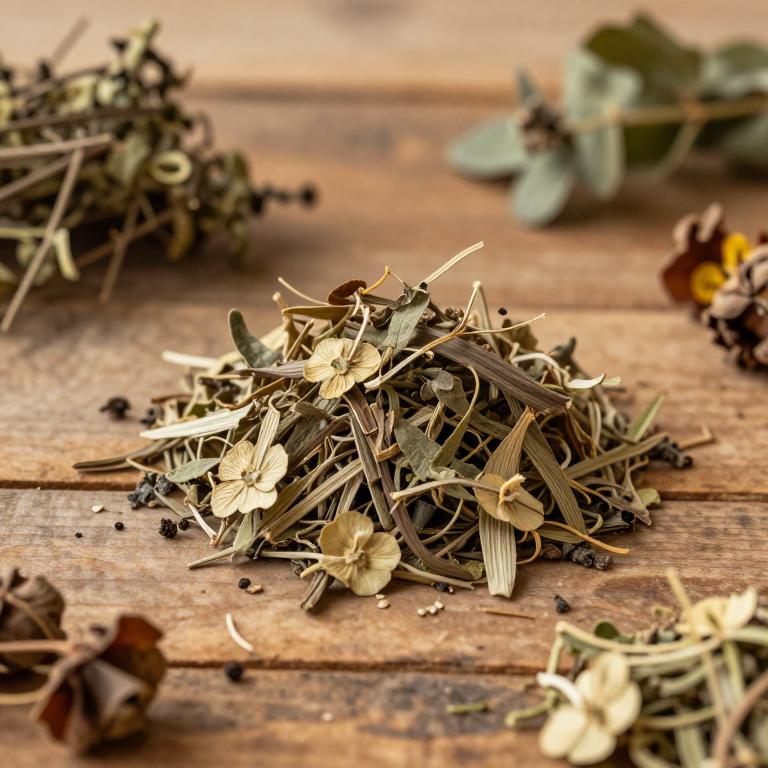
Kaempferia pulchra is a unique tropical plant widely recognized for its medicinal properties. This species is primarily valued for its underground rhizome, which serves as the most potent part of the plant. Various therapeutic preparations are derived directly from these flavorful rhizomes to harness their bioactive compounds. Often used in traditional wellness practices, the plant offers significant potential for skin and health applications. Understanding the characteristics of its rhizomes is essential for anyone interested in its botanical uses.
- Synonyms
- Not available
- Common names
- Not available
- Family
- Zingiberaceae
- Distribution
- Africa
- Plant Parts
- Rhizome
Classification
Common Names
Kaempferia pulchra is a fascinating plant known by several distinct names across different cultures and languages. In some regions, it is affectionately referred to by its common name, kempferia krásna. It is also recognized by the Chinese designation 花葉山柰, reflecting its botanical heritage. Furthermore, the plant is frequently identified as 阿爾瓦孔雀薑 in various horticultural contexts. Understanding these diverse naming conventions helps enthusiasts appreciate the global presence of this unique species.
Sources: Catalogue of Life (COL)
Taxonomy
Kaempferia pulchra is a fascinating botanical specimen belonging to the kingdom Plantae. Within this vast kingdom, it is classified under the class Equisetopsida. The plant further falls into the order Zingiberales, reflecting its unique evolutionary lineage. It is a distinguished member of the genus Kaempferia, which defines its specific structural characteristics. Ultimately, this species is a proud representative of the diverse Zingiberaceae family.
| Rank | Classification |
|---|---|
| Kingdom | Plantae |
| Phylum | Streptophyta |
| Class | Equisetopsida |
| Subclass | Magnoliidae |
| Order | Zingiberales |
| Family | Zingiberaceae |
| Genus | Kaempferia |
Sources: The World Checklist of Vascular Plants (WCVP)
Distribution
Geographic Regions
Kaempferia pulchra is a plant primarily distributed throughout the diverse landscapes of tropical Asia. Its natural range extends across the Indian Subcontinent, including regions such as Bangladesh. The species is also widely found throughout Indo-China, with notable populations in Myanmar and Thailand. Furthermore, its presence stretches into the Malesia region, specifically within Malaya. This broad geographic spread highlights the plant's adaptability to various tropical environments across the continent.
Sources: The World Checklist of Vascular Plants (WCVP)
Identification
Morphology
Kaempferia pulchra is characterized by its distinct growth form as an herb. This plant is entirely self-supporting, allowing it to maintain its structure within its natural habitat.
Sources: Global Inventory of Floras and Traits (GIFT)
Biological Activities
Compounds
Conditions
Kaempferia pulchra is recognized as a medicinal plant used to treat HIV/AIDS and various HIV-related problems. Research into its rhizomes has revealed that the plant contains potent natural Vpr inhibitors. Specifically, the CHCl3-soluble extract of the rhizomes demonstrates significant anti-Vpr activity compared to known controls. Among the isolated compounds, several isopimarane diterpenoids, such as kaempulchraols B, D, G, Q, T, U, and W, act as effective inhibitors against the viral protein R. These findings highlight the plant's potential in developing new therapeutic options to combat HIV-1 pathogenesis.
Preparations
Kaempferia pulchra is prepared as rhizomes to facilitate the isolation of important secondary metabolites. These rhizomes serve as the primary source for extracting 49 distinct compounds, including various isopimarane diterpenoids. Specifically, researchers utilize the rhizome structure to identify potent Vpr inhibitors that could aid in anti-HIV drug discovery. By processing the plant in this manner, scientists can isolate seven diterpenoids that show promise in blocking viral proteins. Consequently, the preparation of the rhizomes is a critical step in accessing these non-toxic medicinal components.
Parts used
Kaempferia pulchra is a medicinal plant native to Myanmar that contains significant bioactive compounds within its rhizome. Recent studies have focused on isolating isopimarane diterpenoids from these rhizomes due to their potential therapeutic applications. Specifically, researchers discovered that various extracts from the plant's rhizome exhibit potent inhibitory activity against the HIV-1 viral protein R (Vpr). A total of 49 secondary metabolites were identified from the rhizome, including several diterpenoids that showed promise in suppressing viral functions. These findings highlight the importance of the Kaempferia pulchra rhizome as a valuable source for developing new anti-HIV treatments.