Kaempferia aurora
Kaempferia aurora · Accepted scientific name
Scientific literature: Very Sparse (0 studies) · ★☆☆☆☆
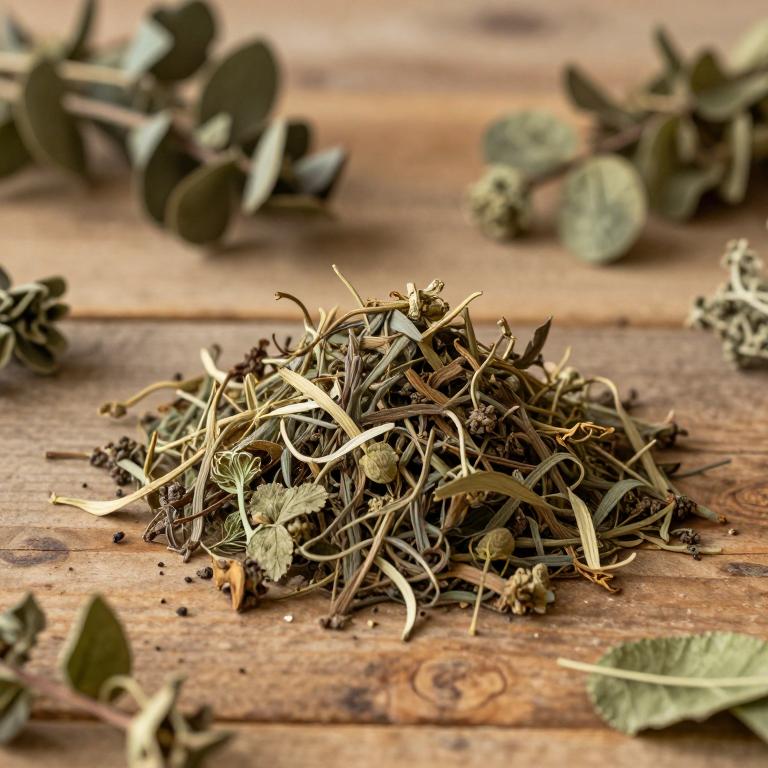
Kaempferia aurora is a fascinating species belonging to the ginger family, known for its unique growth habits. This plant is primarily recognized for its underground rhizome, which serves as its main storage organ. In various traditional practices, the prepared rhizomes are utilized for their specific medicinal or culinary properties. Its compact structure makes it an interesting subject for both botanical study and specialized gardening. Understanding the characteristics of its rhizomes is essential for anyone looking to cultivate or use this species effectively.
- Synonyms
- Not available
- Common names
- Not available
- Family
- Zingiberaceae
- Distribution
- Northern America
- Plant Parts
- Rhizome
Classification
Taxonomy
Kaempferia aurora belongs to the expansive kingdom Plantae, marking its place among the diverse world of vegetation. Within this kingdom, it is classified under the class Equisetopsida. The plant further falls into the order Zingiberales, which connects it to many other unique flowering species. As a member of the genus Kaempferia, it exhibits specialized botanical characteristics. Finally, it is nested within the family Zingiberaceae, sharing a close biological relationship with other ginger plants.
| Rank | Classification |
|---|---|
| Kingdom | Plantae |
| Phylum | Streptophyta |
| Class | Equisetopsida |
| Subclass | Magnoliidae |
| Order | Zingiberales |
| Family | Zingiberaceae |
| Genus | Kaempferia |
Sources: The World Checklist of Vascular Plants (WCVP)
Distribution
Geographic Regions
Kaempferia aurora is a captivating botanical specimen primarily found within the lush environments of tropical Asia. Its natural distribution spans across the vibrant landscapes of Indo-China, where it thrives in humid conditions. Thailand serves as a significant stronghold for this species, providing the ideal climate for its growth. Because of this specific geographic range, the plant remains a distinctive feature of the regional flora. Understanding these habitats is essential for anyone studying the ecological connections of this unique species.
Sources: The World Checklist of Vascular Plants (WCVP)
Identification
Biological Activities
Compounds
Conditions
Kaempferia aurora exhibits significant anti-inflammatory activity through the presence of specific bioactive diterpenoids. These chemical constituents work by effectively inhibiting the production of nitric oxide (NO) in stimulated macrophages. Research indicates that compounds such as auroranes and antiacanthoic acid are responsible for this inhibitory effect. Molecular docking simulations further suggest that these active compounds achieve this by binding to inducible nitric oxide synthase (iNOS). Consequently, the plant serves as a valuable source of agents that treat inflammatory processes via the regulation of nitric oxide.
Preparations
Kaempferia aurora is prepared as rhizomes to facilitate the isolation of its unique chemical constituents. These rhizomes serve as the primary source for extracting polyoxygenated cyclohex(a/e)ne diterpene esters known as auroranes A-G. By utilizing the plant's rhizomes, researchers successfully identified several bioactive compounds with significant medicinal potential. The specific structural properties found within these rhizomes contribute to the phytochemical diversity of the Zingiberaceae family. Consequently, the preparation of these rhizomes is essential for investigating the plant's anti-inflammatory properties.
Parts used
Kaempferia aurora is a member of the Zingiberaceae family that has long been utilized in traditional medicine. Recent chemical investigations have focused on the bioactive constituents found specifically within its rhizome. Researchers successfully isolated seven unique polyoxygenated cyclohex(a/e)ne diterpene esters, known as auroranes A-G, from this plant part. These specialized compounds demonstrate significant potential for inhibiting nitric oxide production, suggesting strong anti-inflammatory properties. Ultimately, the study of these rhizome-derived diterpenoids provides a promising foundation for developing new anti-inflammatory therapeutic agents.