Kadsura philippinensis
Kadsura philippinensis · Accepted scientific name
Scientific literature: Very Sparse (0 studies) · ★☆☆☆☆
Kadsura philippinensis is a botanical species of significant interest in phytochemical research. Studies focusing on this plant primarily utilize the leaves and stems to identify bioactive compounds. Through the preparation of an alcoholic extract and subsequent EtOAc fraction, researchers have isolated unique chemical constituents. One notable compound identified from these plant parts is Kadsuphilactone B. This discovery highlights the potential medicinal value inherent in the chemical profile of the species.
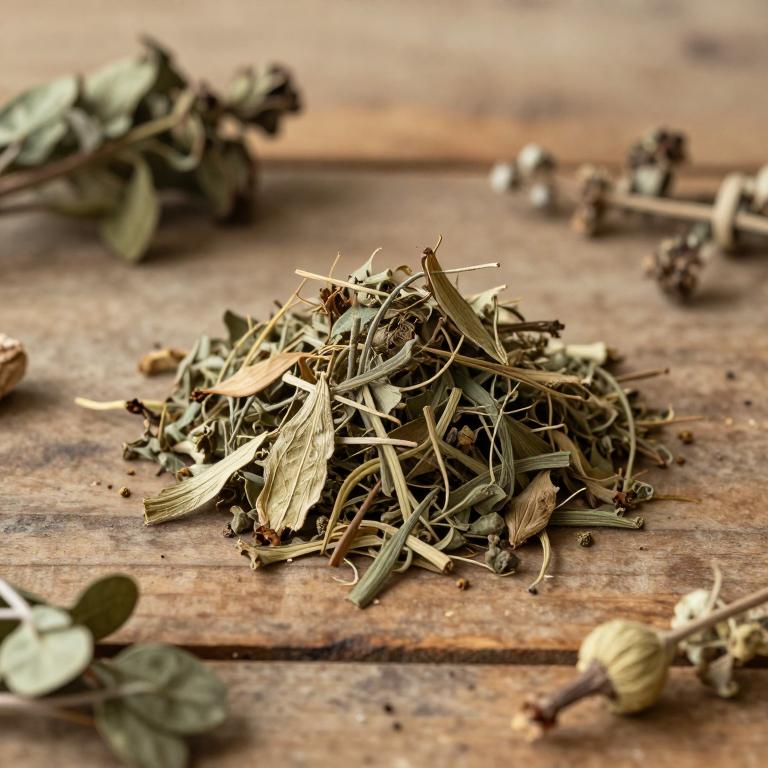
- Synonyms
- Kadsura Paucidenticulata · Kadsura Macgregorii
- Common names
- Not available
- Family
- Schisandraceae
- Distribution
- Not available
- Plant Parts
- Leaf · Stem
Classification
Common Names
Kadsura philippinensis is a fascinating botanical species known by several distinct regional names. In certain contexts, it is referred to by the common name コウトウサネカズラ. It is also recognized within Chinese-speaking regions as 菲律賓南五味子. These diverse linguistic labels highlight the plant's presence across different cultural landscapes. Understanding these various names is essential for researchers and enthusiasts tracking the species globally.
Sources: Catalogue of Life (COL)
Synonyms
Kadsura philippinensis is a botanical species that has been classified under several different names in scientific literature. It is widely recognized by its synonyms, which helps researchers track its various historical identities. Specifically, this plant is closely associated with the name Kadsura macgregorii in certain taxonomic records. Additionally, the species has also been referred to as Kadsura paucidenticulata in past studies. Understanding these overlapping names is essential for accurate identification and study within the plant kingdom.
Sources: The World Checklist of Vascular Plants (WCVP)
Taxonomy
Kadsura philippinensis is a remarkable botanical species that belongs to the vast kingdom Plantae. Within this kingdom, it is classified under the class Equisetopsida, reflecting its complex evolutionary lineage. The plant is further categorized into the order Austrobaileyales, a group that highlights its distinct biological characteristics. Moving down the taxonomic hierarchy, it resides within the specific family Schisandraceae. Ultimately, this species is identified by its membership in the genus Kadsura, defining its unique place in the natural world.
| Rank | Classification |
|---|---|
| Kingdom | Plantae |
| Phylum | Streptophyta |
| Class | Equisetopsida |
| Subclass | Magnoliidae |
| Order | Austrobaileyales |
| Family | Schisandraceae |
| Genus | Kadsura |
Sources: The World Checklist of Vascular Plants (WCVP)
Distribution
Geographic Regions
Kadsura philippinensis is a notable botanical species primarily found within the lush, tropical regions of Asia. Its natural distribution is concentrated across the Malesia zone, where it thrives in diverse forest ecosystems. Within this widespread range, the Philippines serves as a significant habitat for this unique plant. Understanding its specific geographical presence helps researchers map the biodiversity of the Southeast Asian landscape. Consequently, this species plays a vital role in the ecological fabric of its native tropical environments.
Sources: The World Checklist of Vascular Plants (WCVP)
Identification
Morphology
Kadsura philippinensis maintains an obligatory climbing habit, relying entirely on other structures for support to reach the sunlight it needs to thrive.
Sources: Global Inventory of Floras and Traits (GIFT)
Biological Activities
Compounds
Kadsura philippinensis is a medicinal plant from Taiwan that serves as a rich source of diverse chemical metabolites. Scientific investigations have successfully isolated several unique C18 dibenzocyclooctadiene lignans from its aerial parts, including 1-demethylkadsuphilin A, 6-epi-Gomisin, kadsuphilins A, and kadsuphilins B. In addition to these lignans, the plant also contains triterpene dilactones such as kadsuphilactone B. These specialized compounds have demonstrated notable biological properties, such as radical-scavenging activity and in vitro anti-HBV potential. Such findings highlight the complex phytochemical profile of Kadsura philippinensis and its importance in pharmacological research.
Conditions
Kadsura philippinensis contains bioactive compounds that demonstrate significant medicinal potential against various diseases. Specifically, the compound taiwankadsurin B exhibits mild cytotoxicity against Hela tumor cells. This same compound also shows effectiveness in treating human KB tumor cells. Furthermore, the plant produces kadsuphilactone B, which possesses notable anti-HBV activity. These diverse chemical properties highlight the plant's ability to target both cancerous and viral threats.
Preparations
Kadsura philippinensis is prepared as an alcoholic extract to facilitate the isolation of various lignans. From this alcoholic extract, the plant is further prepared as an EtOAc fraction to separate specific metabolites. Additionally, the plant is prepared as leaves to study the presence of oxygenated lignans like kadsuphilols A-H. The stems of Kadsura philippinensis are also prepared as a source for isolating these same bioactive compounds. Together, these different preparation methods allow for the comprehensive chemical analysis of the species.
Parts used
Kadsura philippinensis serves as a significant source of diverse bioactive metabolites within the plant kingdom. Scientific investigations have specifically focused on the extraction of unique compounds from its various anatomical structures. Research confirms that both the leaves and the stems of this medicinal plant contain valuable oxygenated lignans. These studies have successfully isolated several novel substances, including kadsuphilols and taiwankadsurins, from these specific parts. By analyzing these leaf and stem components, researchers continue to uncover the chemical complexity and therapeutic potential of the species.