Kadsura angustifolia
Kadsura angustifolia · Accepted scientific name
Scientific literature: Very Sparse (19 studies) · ★☆☆☆☆
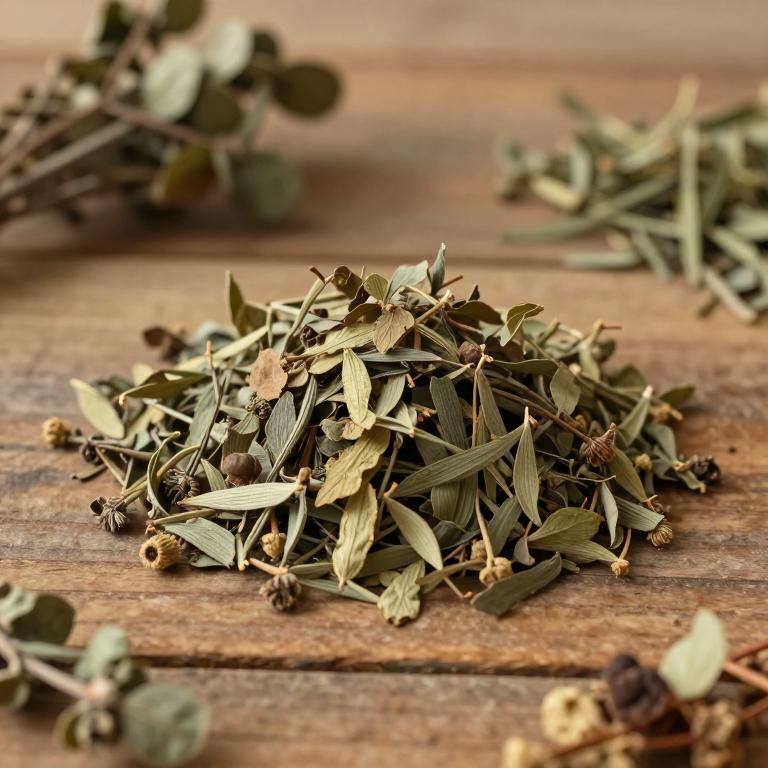
Kadsura angustifolia, scientifically known as Kadsura angustifolia, is a remarkable medicinal shrub valued in traditional healing practices. Renowned for its bioactive compounds, this plant offers significant therapeutic potential. Often used to address various ailments, it serves as a vital natural resource in exploring modern pharmacological advancements and wellness.
- Family
- Schisandraceae
- Native range
- Asia-Temperate
- Parts used
- Not available
- Common names
- Not available
- Scientific synonyms
- Kadsura Guangxiensis
Names and Synonyms
Scientific Names
Accepted name
Kadsura angustifoliaSynonyms
- Kadsura guangxiensis
Sources: Wikidata
Taxonomical Classification
This plant, Kadsura angustifolia, belongs to the kingdom Plantae and the phylum Streptophyta. Within the class Equisetopsida and subclass Magnoliidae, it is classified under the order Austrobaileyales and the family Schisandraceae. It is further identified by the genus Kadsura.
| Rank | Classification |
|---|---|
| Kingdom | Plantae |
| Phylum | Streptophyta |
| Class | Equisetopsida |
| Subclass | Magnoliidae |
| Order | Austrobaileyales |
| Family | Schisandraceae |
| Genus | Kadsura |
Sources: The World Checklist of Vascular Plants (WCVP)
Distribution
This plant, known scientifically as Kadsura angustifolia, exhibits a specific range within East and Southeast Asia. Its primary geographical distribution includes the southeastern regions of China. Furthermore, the species can be found extending into the Indo-China peninsula. Specifically, it is documented to grow within the country of Vietnam. These locations represent the core habitats where the plant is naturally occurring.
| Region | Area |
|---|---|
| China | China Southeast |
| Indo-China | Vietnam |
Sources: The World Checklist of Vascular Plants (WCVP)
Botanical Identification
Morphology
The morphology of Kadsura angustifolia is characterized by its specific growth habit and ecological positioning. It functions as an obligatory climber, relying on external structures for vertical support to ascend through its habitat. Despite its climbing nature, the plant is an independent organism rather than a parasite, meaning it does not derive nutrients or water from a host plant. Furthermore, it is a terrestrial species, establishing its root system and primary biomass within the soil rather than growing as an epiphyte upon other vegetation.
- Climber :
- obligatory
- Epiphyte :
- terrestrial
- Parasite :
- independent
Sources: Global Inventory of Floras and Traits (GIFT)
Chemicals
Kadsura angustifolia has 19 reported phytochemicals identified across 0 scientific publications and several other databases. The most consistently reported chemicals include 4-O-Desmethyl-aigialomycin B, KADANGUSTIN J, Kadangustin A, Kadangustin B, Kadangustin C.
| Chemical | Supporting sources | Consensus |
|---|---|---|
| 4-O-Desmethyl-aigialomycin B | 1 supporting sources | ★☆☆☆☆ |
| KADANGUSTIN J | 1 supporting sources | ★☆☆☆☆ |
| Kadangustin A | 1 supporting sources | ★☆☆☆☆ |
| Kadangustin B | 1 supporting sources | ★☆☆☆☆ |
| Kadangustin C | 1 supporting sources | ★☆☆☆☆ |
| Kadangustin D | 1 supporting sources | ★☆☆☆☆ |
| Kadangustin E | 1 supporting sources | ★☆☆☆☆ |
| Kadangustin F | 1 supporting sources | ★☆☆☆☆ |
| Kadangustin G | 1 supporting sources | ★☆☆☆☆ |
| Kadangustin H | 1 supporting sources | ★☆☆☆☆ |
4-O-Desmethyl-aigialomycin B
- Planta medica
KADANGUSTIN J
- Journal of natural products
Kadangustin A
- Journal of natural products
Kadangustin B
- Journal of natural products
Kadangustin C
- Journal of natural products
Kadangustin D
- Journal of natural products
Kadangustin E
- Journal of natural products
Kadangustin F
- Journal of natural products
Kadangustin G
- Journal of natural products
Kadangustin H
- Journal of natural products