Juniperus polycarpos var. turcomanica
Juniperus polycarpos var. turcomanica · Accepted scientific name
Scientific literature: Very Sparse (1 studies) · ★☆☆☆☆
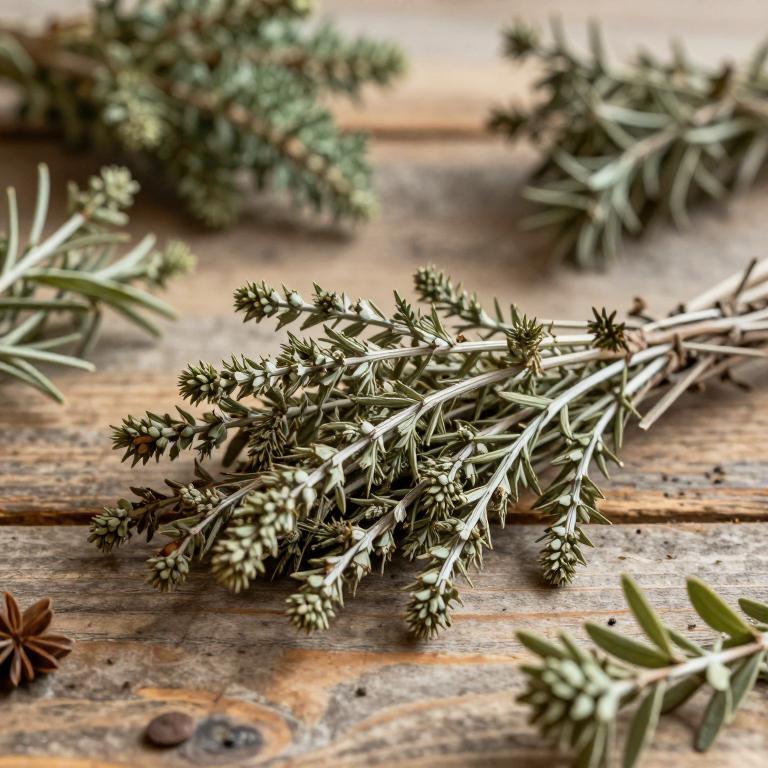
Juniperus polycarpos var. turcomanica is a unique botanical variety that holds significant interest in the field of phytochemistry. This plant is particularly noted for its rich concentration of bioactive compounds, most notably the sesquiterpene known as Germacrene B. Research has highlighted that these chemical constituents contribute to the plant's potent biological properties. Specifically, the species has demonstrated impressive antifungal activities, making it a subject of study for natural disease control. Understanding these mechanisms provides valuable insights into the medicinal potential of this specific juniper variety.
- Synonyms
- Juniperus Turcomanica · Juniperus Excelsa Var. Turcomanica · 3 more
- Common names
- Not available
- Family
- Cupressaceae
- Distribution
- Not available
- Plant Parts
- Not available
Classification
Synonyms
Juniperus polycarpos var. turcomanica is a botanical entity characterized by a complex web of taxonomic synonyms. Within scientific literature, this plant is frequently identified by the alternative name Juniperus excelsa subsp. turcomanica. It is also recognized under various other classifications, including Juniperus excelsa var. turcomanica and Juniperus polycarpos subsp. turcomanica. Furthermore, researchers may refer to it simply as Juniperus turcomanica depending on the specific naming convention being used. Finally, the species is sometimes documented under the synonym Sabina turcomanica, reflecting the historical shifts in juniper nomenclature.
Sources: The World Checklist of Vascular Plants (WCVP)
Taxonomy
Juniperus polycarpos var. turcomanica belongs to the vast kingdom Plantae, representing a unique branch of the botanical world. As a member of the class Equisetopsida, it follows a distinct evolutionary lineage within the plant kingdom. This variety is further classified under the order Pinales, highlighting its connection to other coniferous species. Within this order, it falls into the specific family Cupressaceae, which is known for its diverse cypress-like characteristics. Finally, it is identified under the genus Juniperus, placing it firmly among its closely related juniper relatives.
| Rank | Classification |
|---|---|
| Kingdom | Plantae |
| Phylum | Streptophyta |
| Class | Equisetopsida |
| Subclass | Pinidae |
| Order | Pinales |
| Family | Cupressaceae |
| Genus | Juniperus |
Sources: The World Checklist of Vascular Plants (WCVP)
Distribution
Geographic Regions
Juniperus polycarpos var. turcomanica is a specialized botanical variety with a distinct geographic footprint. This plant is primarily distributed throughout the Asia-Temperate region, specifically thriving within the landscapes of Central Asia. Its range extends notably into Turkmenistan, where it adapts to the local environmental conditions. Additionally, the variety can be found across Western Asia, particularly within the territory of Iran. These specific locations highlight the unique ecological niches that this juniper variety inhabits.
Sources: The World Checklist of Vascular Plants (WCVP)
Identification
Biological Activities
Juniperus polycarpos var. turcomanica has demonstrated significant antifungal activity through the essential oil extracted from its leaves. Research indicates that this oil, which is primarily composed of monoterpene hydrocarbons like α-pinene, effectively targets various phytopathogenic fungi. In experimental assays, the oil showed high potency against species such as Colletotrichum trichellum and Macrophomina phaseolina. While some fungi like Alternaria alternata showed more resistance, the overall effectiveness against these pathogens remains noteworthy. These findings suggest that the plant's chemical constituents hold great potential for developing natural antifungal applications.
Compounds
Juniperus polycarpos var. turcomanica produces an essential oil that serves as a rich source of various chemical compounds. Detailed analysis of the leaves through GC-MS reveals that the oil is predominantly composed of α-pinene. Notably, the essential oil also contains germacrene B, which accounts for 4.80% of its total composition. These monoterpene hydrocarbons are believed to drive the plant's significant biological activities. Consequently, the presence of these constituents contributes to the oil's potent antifungal and herbicidal properties.
Conditions
Juniperus polycarpos var. turcomanica demonstrates significant biological activity through the essential oil extracted from its leaves. This oil exhibits high phytotoxicity against the weed species A. retroflexus L. Additionally, the essential oil possesses potent antifungal properties that allow it to treat various phytopathogenic fungi. Specifically, it effectively targets Alternaria alternata, Colletotrichum trichellum, Curvularia fallax, and Cytospora sacchari. These diverse inhibitory effects are primarily attributed to the presence of monoterpene hydrocarbons within the oil.