Juniperus horizontalis
Juniperus horizontalis · Accepted scientific name
Scientific literature: Very Sparse (14 studies) · ★☆☆☆☆
Juniperus horizontalis, scientifically known as Juniperus horizontalis, is a resilient, low-growing evergreen shrub native to North America. Often used in landscaping for its spreading habit, this hardy conifer offers significant medicinal potential, traditionally valued for its antioxidant properties and its ability to support digestive and urinary tract health.
- Family
- Not available
- Native range
- Northern America
- Parts used
- Not available
- Common names
- Not available
- Scientific synonyms
- Not available
Names and Synonyms
Scientific Names
Accepted name
Juniperus horizontalisDistribution
This plant exhibits a widespread distribution across various subarctic regions of North America. Within the subarctic zone, it can be found throughout Alaska and the territory of Yukon. Its presence extends further east into the remote landscapes of Nunavut and the Northwest Territories. Additionally, the species is documented within the western portion of Canada, specifically in the province of Alberta. These diverse locations highlight the plant's ability to thrive in cold, northern environments.
| Region | Area |
|---|---|
| Subarctic America | Alaska |
| Subarctic America | Nunavut |
| Subarctic America | Northwest Territories |
| Subarctic America | Yukon |
| Western Canada | Alberta |
| Western Canada | British Columbia |
| Western Canada | Manitoba |
| Western Canada | Saskatchewan |
| Eastern Canada | Labrador |
| Eastern Canada | Newfoundland |
Sources: The World Checklist of Vascular Plants (WCVP)
Botanical Identification
Life history
The life history of Juniperus horizontalis is characterized by its status as a perennial plant, meaning it persists through multiple growing seasons and maintains its structural integrity over many years. In terms of its architectural growth habit and ecological positioning, this species is classified as a chamaephyte. This life form indicates that its permanent buds are located close to the soil surface, often just above it, which allows the plant to thrive in harsh or exposed environments by remaining partially protected by the ground level.
- Life form :
- chamaephyte
- Lifecycle :
- perennial
Morphology
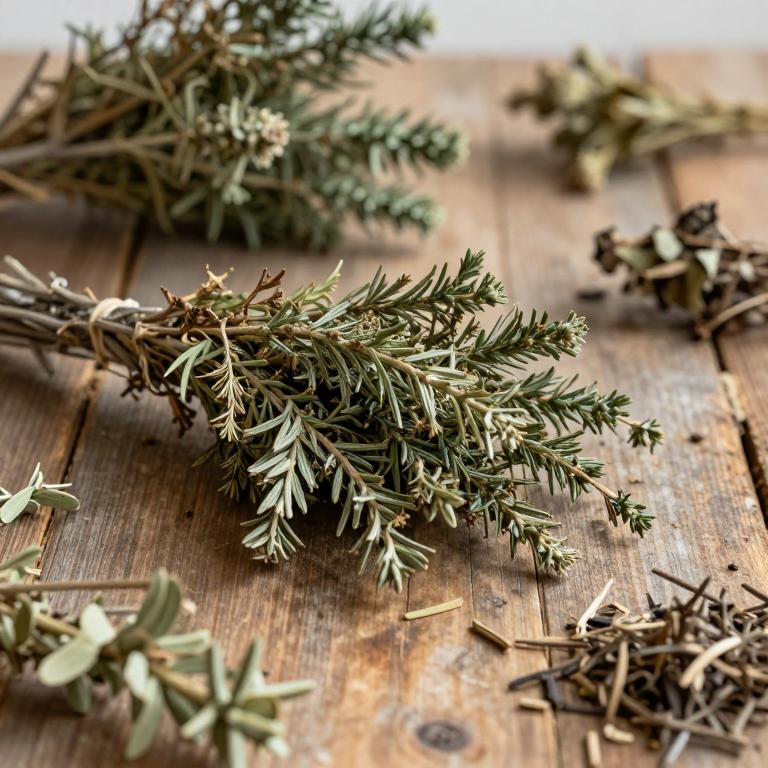
The morphology of Juniperus horizontalis is characterized by a woody, low-growing habit, typically manifesting as a shrub or subshrub. It is a self-supporting plant that does not function as a climber or a liana, maintaining a stable, spreading structure. In terms of stature, it reaches a mean plant height of approximately 1.2 m. As a terrestrial species, it grows in soil environments and is neither aquatic nor semiaquatic, nor does it exhibit epiphytic behavior. Furthermore, it is an independent organism, functioning without parasitic dependencies.
- Aquatic :
- terrestrial
- Climber :
- self-supporting
- Epiphyte :
- terrestrial
- Growth form :
- shrub
- Growth form :
- subshrub
- Parasite :
- independent
- Plant height mean:
- 1.2 m
- Woodiness :
- woody
Physiology
The physiology of Juniperus horizontalis is characterized by its adaptation to arid and temperate environments, primarily through its specialized metabolic processes and structural adaptations. The plant utilizes a C3 photosynthetic pathway, which involves the direct fixation of carbon dioxide by the enzyme RuBisCO during the Calvin cycle. To mitigate the water loss typically associated with C3 metabolism in exposed or dry habitats, the species exhibits physiological mechanisms such as controlled stomatal conductance and a high degree of sclerophylly. Its needle-like leaves possess a thick cuticle and sunken stomata, which serve to reduce transpiration rates and maintain internal turgor pressure during periods of moisture deficit. Furthermore, the plant demonstrates significant physiological resilience to extreme temperatures and high light intensities, employing biochemical strategies to manage oxidative stress and maintain cellular integrity under fluctuating environmental conditions.
- Photosynthetic pathway :
- C3
Reproduction
Reproduction in Juniperus horizontalis is characterized by the production of small, fleshy seed cones that serve as the primary vehicle for dispersal and propagation. The seeds within these cones exhibit specific morphological variations in weight, which are critical to understanding the plant's reproductive investment. Quantitative analysis of the seed mass reveals a mean weight of approximately 0.0131875 g. However, there is a notable range in individual seed sizes, with the minimum recorded seed mass being 0.00964 g and the maximum reaching up to 0.01711 g. This variation in seed mass suggests a degree of plasticity in the energy allocated to each offspring during the maturation process.
- Seed mass max:
- 0.01711 g
- Seed mass mean:
- 0.0131875 g
- Seed mass min:
- 0.00964 g
Sources: Global Inventory of Floras and Traits (GIFT)
Chemicals
Juniperus horizontalis has 1 reported phytochemicals identified across 0 scientific publications and several other databases. The most consistently reported chemicals include Betulin.
| Chemical | Supporting sources | Consensus |
|---|---|---|
| Betulin | 1 supporting sources | ★☆☆☆☆ |
Betulin
- Dr. Duke
Activities
Juniperus horizontalis has 12 reported activities identified across 0 scientific publications and several other databases. The most consistently reported activities include AntiHIV, Anticarcinomic, Antifeedant, Antiflu, Antiinflammatory.
| Activity | Supporting sources | Consensus |
|---|---|---|
| AntiHIV | 1 supporting sources | ★☆☆☆☆ |
| Anticarcinomic | 1 supporting sources | ★☆☆☆☆ |
| Antifeedant | 1 supporting sources | ★☆☆☆☆ |
| Antiflu | 1 supporting sources | ★☆☆☆☆ |
| Antiinflammatory | 1 supporting sources | ★☆☆☆☆ |
| Antitumor | 1 supporting sources | ★☆☆☆☆ |
| Antiviral | 1 supporting sources | ★☆☆☆☆ |
| Aphidifuge | 1 supporting sources | ★☆☆☆☆ |
| Cytotoxic | 1 supporting sources | ★☆☆☆☆ |
| Hypolipemic | 1 supporting sources | ★☆☆☆☆ |
AntiHIV
- Dr. Duke
Anticarcinomic
- Dr. Duke
Antifeedant
- Dr. Duke
Antiflu
- Dr. Duke
Antiinflammatory
- Dr. Duke
Antitumor
- Dr. Duke
Antiviral
- Dr. Duke
Aphidifuge
- Dr. Duke
Cytotoxic
- Dr. Duke
Hypolipemic
- Dr. Duke