Juniperus communis var. hemisphaerica
Juniperus communis var. hemisphaerica · Accepted scientific name
Scientific literature: Very Sparse (2 studies) · ★☆☆☆☆
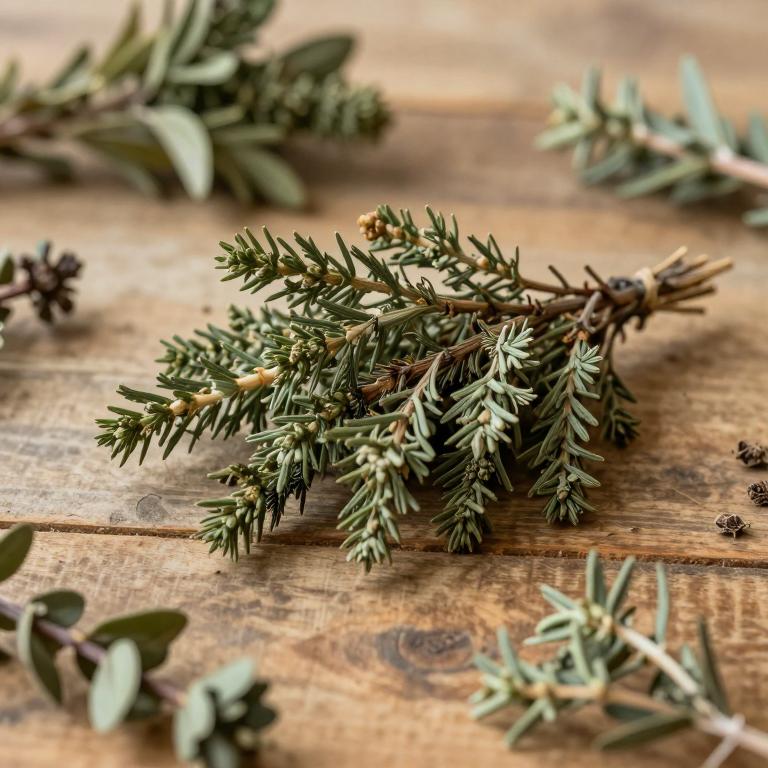
, scientifically known as Juniperus communis var. hemisphaerica, is a distinct botanical variety prized for its therapeutic potential. Renowned for its aromatic berries, this plant offers potent antioxidant and antimicrobial properties. It is traditionally utilized in holistic medicine to support digestive health, ease inflammation, and promote overall renal function.
- Family
- Not available
- Native range
- Europe
- Parts used
- Fruit · Leaf
- Common names
- Not available
- Scientific synonyms
- Not available
Names and Synonyms
Scientific Names
Accepted name
Juniperus communis var. hemisphaericaDistribution
This plant, known scientifically as Juniperus communis var. hemisphaerica, possesses a very specific and limited geographical range. Unlike many other varieties of common juniper, this particular cultivar is not widely distributed across continents. Its presence is strictly confined to the unique landscapes of Southeastern Europe. Specifically, this medicinal variety is found only on the island of Sicilia. This localized distribution makes it a distinctive botanical feature of the Mediterranean region.
| Region | Area |
|---|---|
| Southeastern Europe | Sicilia |
Sources: The World Checklist of Vascular Plants (WCVP)
Plant Parts
Juniperus communis var. hemisphaerica has 2 reported plant parts identified across 2 scientific publications and several other databases that are studied for medicinal purposes. The most consistently reported plant part include fruit, leaf.
| Plant part | Supporting sources | Consensus |
|---|---|---|
| Fruit | 1 supporting sources | ★☆☆☆☆ |
| Leaf | 1 supporting sources | ★☆☆☆☆ |
Fruit
- Evidence-based complementary and alternative medicine : eCAM
Leaf
- Evidence-based complementary and alternative medicine : eCAM
Preparations
Juniperus communis var. hemisphaerica has 2 reported preparations identified across 2 scientific publications and several other databases. The most consistently reported preparations include Methanol extract of fruits, Methanol extract of leaves.
| Preparation | Supporting sources | Consensus |
|---|---|---|
| Methanol extract of fruits | 1 supporting sources | ★☆☆☆☆ |
| Methanol extract of leaves | 1 supporting sources | ★☆☆☆☆ |
Methanol extract of fruits
- Evidence-based complementary and alternative medicine : eCAM
Methanol extract of leaves
- Evidence-based complementary and alternative medicine : eCAM