Juncus capillaceus
Juncus capillaceus · Accepted scientific name
Scientific literature: Very Sparse (0 studies) · ★☆☆☆☆
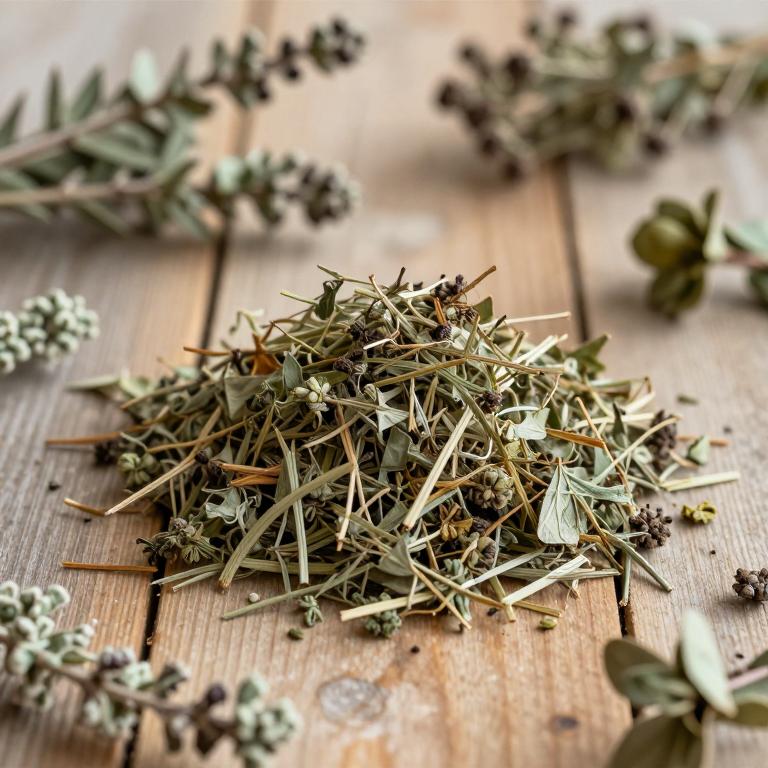
Juncus capillaceus is a unique botanical species often utilized for its specialized medicinal properties. Researchers and herbalists frequently focus on the plant to develop concentrated extracts for various therapeutic applications. These preparations allow for the efficient isolation of active compounds found within its delicate structures. By processing the plant into liquid or powder forms, the potency of its natural constituents is significantly enhanced. Understanding the potential of these extracts is essential for advancing the study of this specific flora.
- Synonyms
- Agathryon Capillaceum · Juncus Tenuifolius · 1 more
- Common names
- Not available
- Family
- Juncaceae
- Distribution
- Southern America
- Plant Parts
- Not available
Classification
Synonyms
Juncus capillaceus is a plant species that is frequently identified by several different botanical names. In various taxonomic records, it is recognized by the synonym Agathryon capillaceum. Researchers also encounter this plant under the designation Juncus capillaceus var. montevidensis. Additionally, the name Juncus tenuifolius is commonly used to refer to the same organism. Understanding these various synonyms is essential for maintaining accuracy in botanical classification and literature.
Sources: The World Checklist of Vascular Plants (WCVP)
Taxonomy
Juncus capillaceus belongs to the vast kingdom Plantae, marking its place among the diverse world of living plants. Within this kingdom, it is classified under the class Equisetopsida, showcasing its specific evolutionary lineage. The species is further organized into the order Poales, a group that connects it to various grasses and related flora. It resides within the family Juncaceae, a specialized botanical group known for its unique characteristics. Ultimately, this plant is a distinguished member of the genus Juncus, which defines its primary biological identity.
| Rank | Classification |
|---|---|
| Kingdom | Plantae |
| Phylum | Streptophyta |
| Class | Equisetopsida |
| Subclass | Magnoliidae |
| Order | Poales |
| Family | Juncaceae |
| Genus | Juncus |
Sources: The World Checklist of Vascular Plants (WCVP)
Distribution
Geographic Regions
Juncus capillaceus is a versatile species with a wide-ranging global distribution spanning several continents and oceans. In Africa, it can be found across the continent and specifically within the Cape Provinces of Southern Africa, as well as on the remote island of St. Helena. Its presence extends to the Middle Atlantic Ocean and into the southwestern reaches of Europe, particularly throughout Spain. The plant also thrives in Australasia, establishing itself within the Australian states of New South Wales and Victoria. This broad geographic footprint highlights the remarkable adaptability of the species across diverse environments.
Sources: The World Checklist of Vascular Plants (WCVP)
Identification
Morphology
Juncus capillaceus is a self-supporting herb characterized by its delicate growth form. This species typically maintains a modest stature, reaching a maximum height of 0.35 m. Depending on its environment, the plant may also grow as small as 0.06 m. Such compact dimensions make it a subtle yet resilient addition to its natural habitat.
Sources: Global Inventory of Floras and Traits (GIFT)
Biological Activities
Compounds
Conditions
Preparations
Juncus capillaceus is prepared as extracts to investigate its potential antimicrobial effects against specific bacteria. In this study, these extracts were tested against the Gram-negative bacilli Escherichia coli and Klebsiella pneumoniae. The researchers utilized the microdilution method to determine the minimum inhibitory concentration of the prepared substances. Additionally, the agar disc diffusion method was employed to evaluate the antimicrobial activity of the extracts at various concentrations. Ultimately, the results showed that the extracts of Juncus capillaceus failed to inhibit the growth of the tested microorganisms.