Juglans mandshurica var. cordiformis
Juglans mandshurica var. cordiformis · Accepted scientific name
Scientific literature: Very Sparse (5 studies) · ★☆☆☆☆
Scientifically known as Juglans mandshurica var. cordiformis, is a medicinal plant revered in traditional East Asian medicine. Primarily harvested for its nutrient-dense kernels, it offers potent antioxidant and anti-inflammatory properties. This species is highly valued for supporting cognitive function, cardiovascular health, and overall vitality through its unique bioactive compounds.
- Family
- Juglandaceae
- Native range
- Europe
- Parts used
- Fruit · Leaf
- Common names
- Not available
- Scientific synonyms
- Juglans Sieboldiana Var. Cordiformis · Juglans Ailantifolia Var. Cordiformis · 4 more
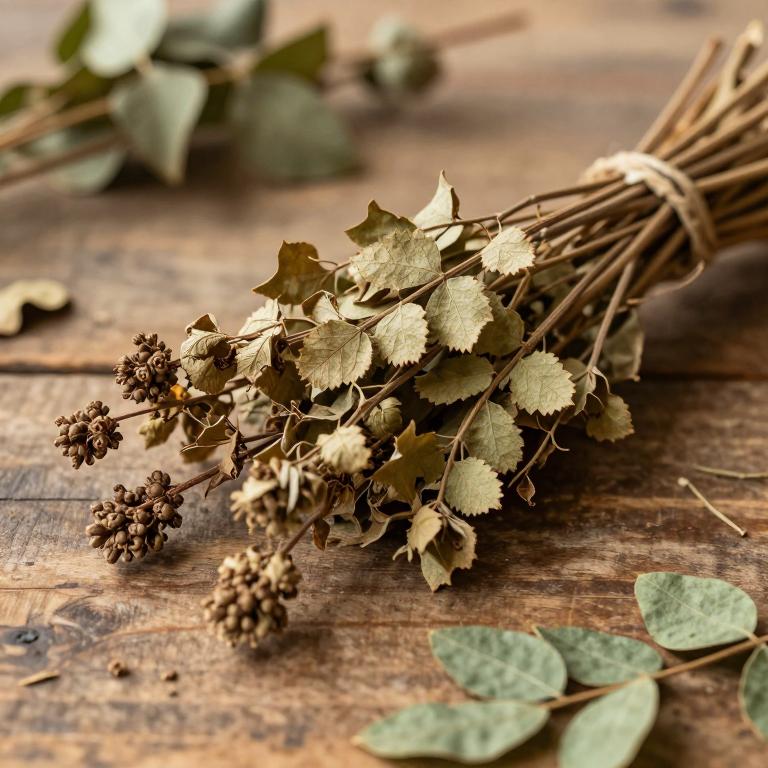
Names and Synonyms
Scientific Names
Accepted name
Juglans mandshurica var. cordiformisSynonyms
- Juglans sieboldiana var. cordiformis
- Juglans ailantifolia var. cordiformis
- Juglans sieboldiana f. acutissima
- Juglans subcordiformis var. acutissima
- Juglans subcordiformis
- Juglans lavalleei
Taxonomical Classification
This plant belongs to the kingdom Plantae and is classified under the phylum Streptophyta and the class Equisetopsida. Within the subclass Magnoliidae, it is organized under the order Fagales and the family Juglandaceae. Finally, it is categorized under the genus Juglans as the specific variety cordiformis.
| Rank | Classification |
|---|---|
| Kingdom | Plantae |
| Phylum | Streptophyta |
| Class | Equisetopsida |
| Subclass | Magnoliidae |
| Order | Fagales |
| Family | Juglandaceae |
| Genus | Juglans |
Sources: The World Checklist of Vascular Plants (WCVP)
Distribution
This plant exhibits a broad geographical distribution spanning across several distinct regions of Eurasia. In Eastern Europe, its presence is noted within the Baltic States. The species also extends into the Caucasus, specifically inhabiting the North Caucasus and the Transcaucasus regions. Furthermore, its range reaches into Eastern Asia, where it can be found in Japan. These varied locations highlight the plant's ability to adapt to diverse ecological environments across the continent.
| Region | Area |
|---|---|
| Eastern Europe | Baltic States |
| Caucasus | North Caucasus |
| Caucasus | Transcaucasus |
| Eastern Asia | Japan |
Sources: The World Checklist of Vascular Plants (WCVP)
Plant Parts
Juglans mandshurica var. cordiformis has 2 reported plant parts identified across 2 scientific publications and several other databases that are studied for medicinal purposes. The most consistently reported plant part include fruit, leaf.
| Plant part | Supporting sources | Consensus |
|---|---|---|
| Fruit | 1 supporting sources | ★☆☆☆☆ |
| Leaf | 1 supporting sources | ★☆☆☆☆ |
Fruit
- Molecules (Basel, Switzerland)
Leaf
- Molecules (Basel, Switzerland)
Chemicals
Juglans mandshurica var. cordiformis has 2 reported phytochemicals identified across 2 scientific publications and several other databases. The most consistently reported chemicals include SYRINGIC ACID, juglone.
| Chemical | Supporting sources | Consensus |
|---|---|---|
| SYRINGIC ACID | 1 supporting sources | ★☆☆☆☆ |
| juglone | 1 supporting sources | ★☆☆☆☆ |
SYRINGIC ACID
- Molecules (Basel, Switzerland)
juglone
- Molecules (Basel, Switzerland)
Preparations
Juglans mandshurica var. cordiformis has 2 reported preparations identified across 2 scientific publications and several other databases. The most consistently reported preparations include Ethyl acetate and n-butanol fractions, fifty percent acetone extract of the fruits.
| Preparation | Supporting sources | Consensus |
|---|---|---|
| Ethyl acetate and n-butanol fractions | 1 supporting sources | ★☆☆☆☆ |
| Fifty percent acetone extract of the fruits | 1 supporting sources | ★☆☆☆☆ |
Ethyl acetate and n-butanol fractions
- Molecules (Basel, Switzerland)
Fifty percent acetone extract of the fruits
- Molecules (Basel, Switzerland)