Jatropha
Jatropha · Accepted scientific name
Scientific literature: Very Sparse (8 studies) · ★☆☆☆☆
Jatropha is a versatile plant genus recognized for its remarkable therapeutic potential and diverse biological activities. It possesses significant medicinal properties, including antimicrobial, anticancer, anticoagulant, and antidiabetic effects. These therapeutic capabilities are driven by a rich profile of bioactive chemicals such as coumarins, cyclic peptides, flavonoids, and lignans. Consequently, the plant is being studied for its ability to manage various health conditions, including anemia, diabetes, and oxidative stress. Through its potent antioxidant actions, Jatropha continues to serve as a vital subject in pharmacological research.
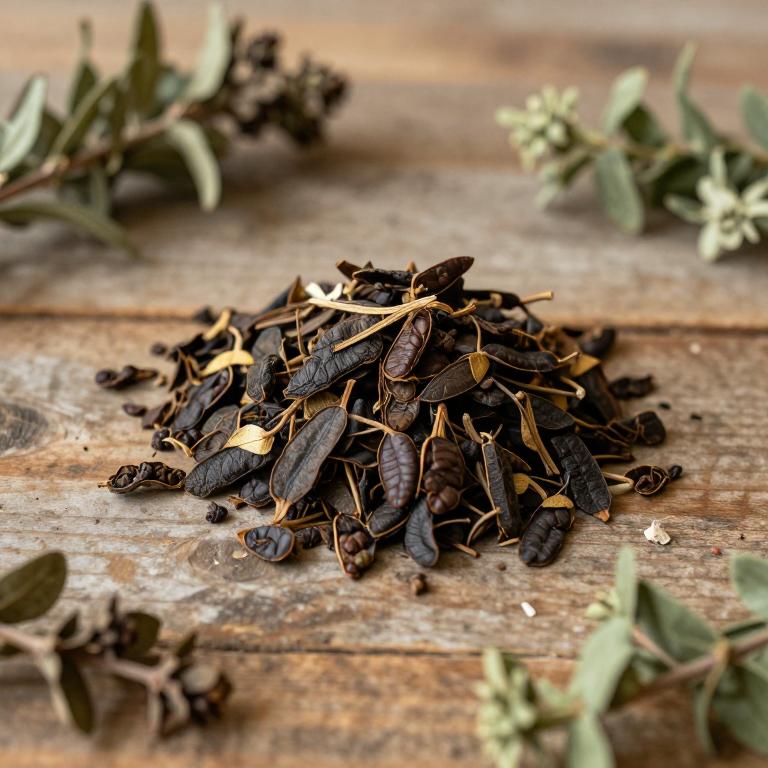
- Synonyms
- Adenoropium · Adenorhopium · 8 more
- Common names
- Not available
- Family
- Euphorbiaceae
- Distribution
- Not available
- Plant Parts
- Not available
Classification
Common Names
Jatropha is a versatile plant that is known by a variety of different names depending on the region. It is frequently referred to by the common names Jatrofa and Jatropa. In many botanical circles, the species is also widely recognized as Physic Nuts. It carries the French designation Pignon d'inde in certain parts of the world. Additionally, it is sometimes identified by the name dávivec.
Sources: Catalogue of Life (COL)
Synonyms
Jatropha is a genus of plants that is frequently identified by several different botanical synonyms. Depending on the taxonomic classification used, it may be referred to as Adenorhopium or the variant spelling Adenoropium. Researchers have also documented its relationship to the names Castiglionia and Collenucia in various scientific literatures. Additionally, the plant is often associated with the synonym Curcas in specific historical contexts. Understanding these various nomenclatures is essential for accurate botanical identification and study.
Sources: The World Checklist of Vascular Plants (WCVP)
Taxonomy
Jatropha belongs to the vast kingdom Plantae, representing a diverse group of living organisms. Within this kingdom, it is classified under the class Equisetopsida, highlighting its botanical characteristics. The plant further falls into the order Malpighiales, connecting it to a wide range of related species. As a member of the genus Jatropha, it possesses unique traits specific to its lineage. Finally, it is categorized within the family Euphorbiaceae, which defines its structural and biological identity.
| Rank | Classification |
|---|---|
| Kingdom | Plantae |
| Phylum | Streptophyta |
| Class | Equisetopsida |
| Subclass | Magnoliidae |
| Order | Malpighiales |
| Family | Euphorbiaceae |
| Genus | Jatropha |
Sources: The World Checklist of Vascular Plants (WCVP)
Distribution
Geographic Regions
Jatropha exhibits a widespread distribution across the African continent, spanning various ecological zones. It is particularly prevalent in East Tropical Africa, where it can be found throughout Kenya, Tanzania, and Uganda. Beyond the eastern regions, the plant also thrives in Northeast Tropical Africa, specifically within the borders of Chad. Its reach extends even further westward to the Macaronesia islands, including the archipelago of Cape Verde. This diverse geographic range highlights the plant's ability to adapt to various African landscapes.
Sources: The World Checklist of Vascular Plants (WCVP)
Identification
Biological Activities
Jatropha is a diverse genus of plants within the Euphorbiaceae family that is highly valued for its extensive therapeutic potential. Research indicates that these species possess significant antimicrobial and antifungal activities, making them useful against various pathogens. Furthermore, the plant demonstrates powerful anticancer properties that highlight its importance in medicinal studies. It also offers metabolic benefits through its documented antidiabetic and anticoagulant activities. These diverse biological functions are driven by a rich array of secondary metabolites found throughout the plant's tissues.
Compounds
Jatropha species are highly regarded as significant sources of various secondary metabolites that contribute to a wide range of biological functions. Chemical investigations into the genus have successfully identified the presence of diverse compounds such as coumarins and lignans. Furthermore, these plants are known to contain cyclic peptides and flavonoids, which support their complex therapeutic profiles. The latex of the plant is also specifically noted for containing alkaloids like jatropham. Together, these diverse chemical constituents underpin the medicinal and industrial importance of the Jatropha genus.
Conditions
Jatropha species possess significant medicinal value due to their diverse biological activities. These plants are recognized for their ability to treat anti-inflammatory conditions and provide antimicrobial benefits. Research further indicates that Jatropha can be used to treat HIV and combat anemia. Additionally, the genus shows promise in its capacity to treat anticancer tumors. These various therapeutic properties stem from the complex secondary metabolites found within the plant.