Jarilla
Jarilla · Accepted scientific name
Scientific literature: Very Sparse (0 studies) · ★☆☆☆☆
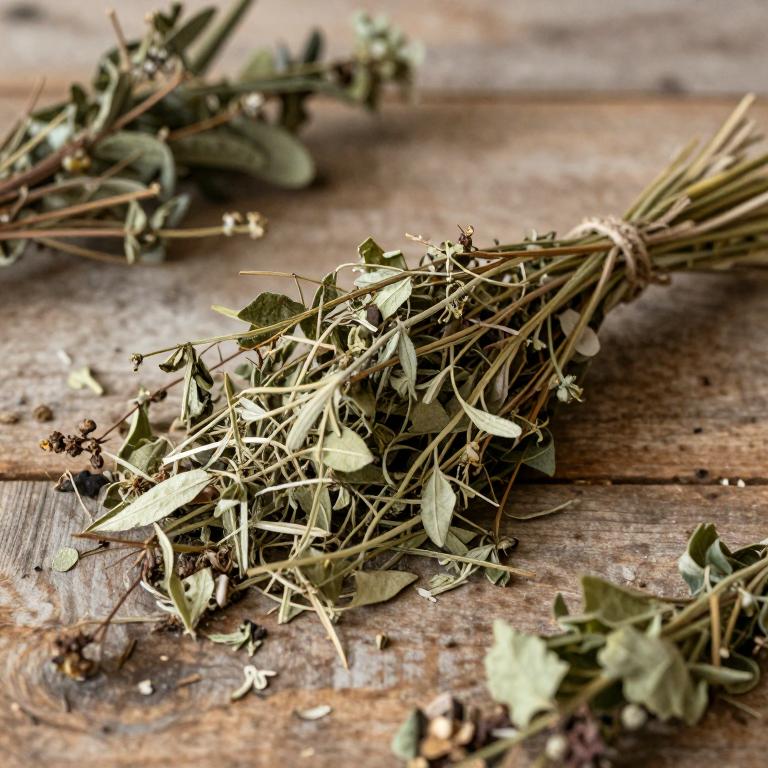
Jarilla is a remarkable plant known for the unique characteristics of its delicate flower. These blossoms serve as the primary source for creating potent botanical extracts used in various traditional applications. By carefully processing the floral components, practitioners can harness the plant's inherent properties for medicinal or aromatic purposes. This versatile shrub continues to be a subject of interest for those studying natural plant-based preparations. Understanding the relationship between the Jarilla flower and its extracts provides valuable insight into its overall utility.
- Synonyms
- Not available
- Common names
- Not available
- Family
- Caricaceae
- Distribution
- Not available
- Plant Parts
- Flower
Classification
Common Names
Jarilla is a plant known by various names depending on the local region. It is frequently referred to by the common name Granadilla in certain areas. In other communities, you might hear people call it papájovka instead. These diverse monikers highlight the different cultural connections people have with the species. Understanding these linguistic relationships helps identify the plant across various botanical landscapes.
Sources: Catalogue of Life (COL)
Taxonomy
Jarilla belongs to the diverse kingdom Plantae, representing the vast complexity of the natural world. Within this kingdom, it is classified under the class Equisetopsida, showcasing its fundamental botanical structure. The plant further descends through the order Brassicales, connecting it to a specific lineage of flowering species. It is formally categorized under the family Caricaceae, which helps scientists understand its unique biological traits. Finally, it is identified by its specific genus, Jarilla, completing its unique taxonomic identity.
| Rank | Classification |
|---|---|
| Kingdom | Plantae |
| Phylum | Streptophyta |
| Class | Equisetopsida |
| Subclass | Magnoliidae |
| Order | Brassicales |
| Family | Caricaceae |
| Genus | Jarilla |
Sources: The World Checklist of Vascular Plants (WCVP)
Distribution
Geographic Regions
Jarilla is a resilient plant with an expansive presence across much of Northern America. Its distribution is particularly concentrated within Mexico, where it thrives in diverse regional environments. The species can be found throughout the central regions of the country, stretching into the northeast and northwest territories. Additionally, it maintains a strong foothold in both the southeast and southwest areas of Mexico. This wide-ranging geographical footprint highlights the plant's ability to adapt to various Mexican landscapes.
Sources: The World Checklist of Vascular Plants (WCVP)
Identification
Biological Activities
Compounds
Conditions
Preparations
Jarilla is prepared as various extracts, including aqueous and ethanolic forms, to isolate its medicinal components. These extracts are specifically processed to obtain nordihydroguaiaretic acid, which serves as a potent antioxidant. Researchers utilize different preparation methods, such as decoctions, to study the concentration of active compounds within the plant. The resulting aqueous and ethanolic extracts are evaluated to ensure they meet safe pharmacological standards for human use. Ultimately, the study focuses on quantifying the chemical properties found within these different jarilla preparations.
Parts used
Jarilla is an Argentine medicinal shrub known by several local names, including Zuccagnia punctata. The plant features distinct yellow flowers that contain specific chalcones responsible for their vibrant pigment. Research indicates that the extracts obtained from these flowers possess significant antioxidant and anti-inflammatory properties. Furthermore, these floral extracts demonstrate effective antimicrobial activity against various bacteria and fungi without showing toxicity. Consequently, the flowers of the Jarilla plant hold great potential as a standardized phytotherapeutic product or a new dietary supplement.