Jacobaea maritima
Jacobaea maritima · Accepted scientific name
Scientific literature: Very Sparse (0 studies) · ★☆☆☆☆
Jacobaea maritima, commonly known as silver ragwort, is a perennial plant frequently studied for its diverse bioactive properties. This research focuses specifically on the physiological effects of its foliage through the use of an aqueous leaf extract. By preparing the plant material in a water-based medium, a concentrated solution of its secondary metabolites is obtained for testing. The study evaluates the antimicrobial potential of this preparation against the bacterium Escherichia coli. Ultimately, this investigation aims to determine if the extracts from the leaves can effectively inhibit the growth of this specific pathogen.
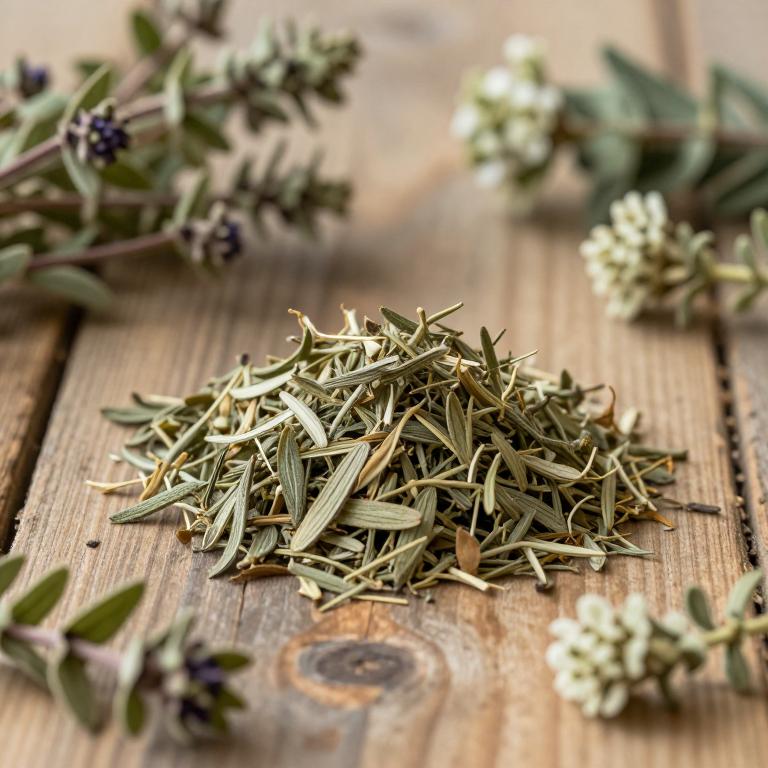
- Synonyms
- Cineraria Maritima · Othonna Maritima · 3 more
- Common names
- Not available
- Family
- Asteraceae
- Distribution
- Not available
- Plant Parts
- Leaf
Classification
Common Names
Jacobaea maritima is a unique botanical specimen known by several distinct common names across different regions. It is frequently referred to as Cenicienta, a name that highlights its silvery appearance. Many enthusiasts also recognize the plant as Chweinllys in certain local contexts. Depending on the linguistic influence, you may also encounter it called Cineraria or Cinerarie. Finally, variations such as Cinerària are often used, reflecting the diverse ways this plant is identified.
Sources: Catalogue of Life (COL)
Synonyms
Jacobaea maritima is a plant known by a wide variety of botanical synonyms across different classification systems. It has been historically identified as Cineraria maritima and Othonna maritima in various scientific texts. The species is also closely linked to several subspecies, including Senecio bicolor subsp. cineraria and Senecio gibbosus subsp. cineraria. Furthermore, it is frequently referred to by the common name Senecio cineraria in many horticultural circles. Navigating these various names is essential for anyone researching the complex taxonomic history of this silver-leaved plant.
Sources: The World Checklist of Vascular Plants (WCVP)
Taxonomy
Jacobaea maritima is a distinctive member of the kingdom Plantae. Within this vast biological realm, the plant is classified under the class Equisetopsida. It belongs to the order Asterales, showcasing its place in a specific evolutionary lineage. Further refinement places it within the diverse family Asteraceae. Ultimately, this species is identified by its specific genus, Jacobaea.
| Rank | Classification |
|---|---|
| Kingdom | Plantae |
| Phylum | Streptophyta |
| Class | Equisetopsida |
| Subclass | Magnoliidae |
| Order | Asterales |
| Family | Asteraceae |
| Genus | Jacobaea |
Sources: The World Checklist of Vascular Plants (WCVP)
Distribution
Geographic Regions
Jacobaea maritima is a resilient species with a diverse geographical footprint stretching across several key regions. Its primary distribution encompasses much of Africa, including the specific coastal territories of Macaronesia and the Azores. Within the African continent, the plant is most notably established throughout Northern Africa. Detailed observations place its presence in the countries of Algeria, Morocco, and Tunisia. Additionally, its range extends to include the unique environments found within the Canary Islands.
Sources: The World Checklist of Vascular Plants (WCVP)
Identification
Morphology
Jacobaea maritima is a hardy, self-supporting plant that typically adopts a distinct shrub-like growth form. This species exhibits significant variability in size, with individual specimens reaching a minimum height of only 0.2 meters. In many environments, the plant establishes itself more robustly, maintaining a minimum height of 0.6 meters. For those looking at its full potential, the shrub can eventually reach a maximum height of 1 meter. This range of dimensions allows the plant to adapt effectively to its specific ecological niche.
Sources: Global Inventory of Floras and Traits (GIFT)
Biological Activities
Compounds
Conditions
Jacobaea maritima is utilized to synthesize silver nanoparticles that demonstrate significant antibacterial activity against both Gram-negative and Gram-positive bacterial strains. Within these antibacterial tests, the plant-derived nanoparticles showed a particularly high effect on E-coli. Furthermore, the extract facilitates the creation of nanoparticles that serve as effective anticancer agents. These particles successfully treat MCF-7 breast cancer cells and A549 lung cancer cells with specific inhibitory concentrations.
Preparations
Jacobaea maritima is prepared as an aqueous leaf extract to facilitate the green synthesis of silver nanoparticles. This specific extract serves a dual purpose by acting as both a reducing and a stabilizing agent during the nanoparticle formation process. The preparation process allows for the control of particle size and shape through parameters such as temperature and extract concentration. By utilizing this aqueous leaf extract, researchers can create biosynthesized silver nanoparticles with significant antibacterial and anticancer potential. This method highlights the utility of the plant extract in developing eco-friendly medical applications.
Parts used
Jacobaea maritima serves as a vital biological component in the green synthesis of silver nanoparticles. Specifically, the aqueous extract derived from the leaf of this plant is utilized to facilitate the production of these particles. This leaf is highly valued for its medicinal properties, acting as both a reducing and stabilizing agent during the synthesis process. By leveraging the natural characteristics of the leaf extract, researchers can control the size and shape of the resulting nanoparticles. Ultimately, this eco-friendly method highlights the significant potential of utilizing plant parts for advanced medical applications.