Isolatocereus dumortieri
Isolatocereus dumortieri · Accepted scientific name
Scientific literature: Very Sparse (1 studies) · ★☆☆☆☆
, scientifically known as Isolatocereus dumortieri, is a rare medicinal cactus valued in traditional healing practices. Renowned for its unique bioactive compounds, this plant is often utilized for its purported anti-inflammatory and restorative properties. Understanding its botanical characteristics and therapeutic potential remains essential for exploring its role in natural medicine.
- Family
- Cactaceae
- Native range
- Africa
- Parts used
- Not available
- Common names
- Not available
- Scientific synonyms
- Rathbunia Dumortieri · Stenocereus Dumortieri · 2 more
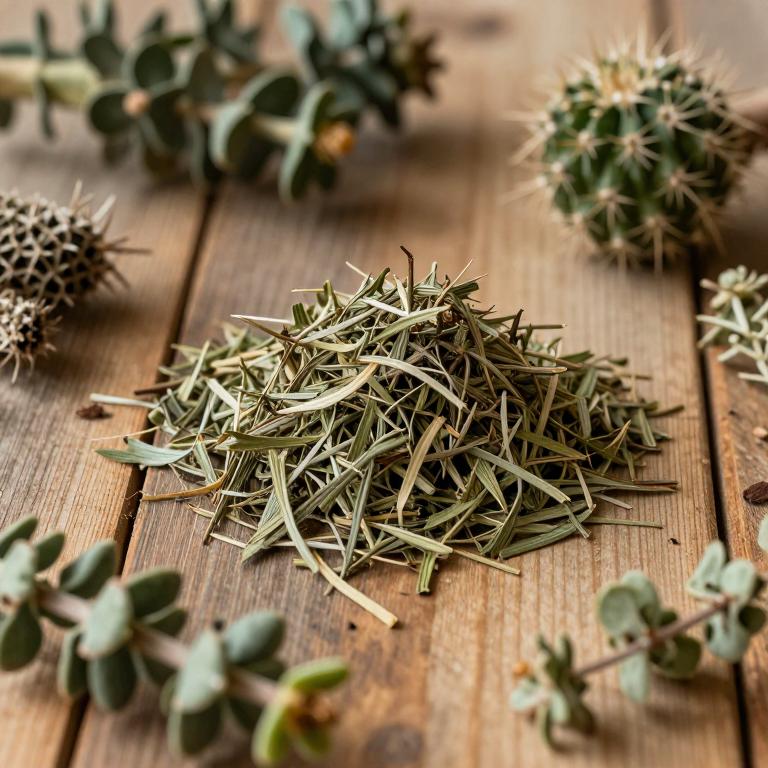
Names and Synonyms
Scientific Names
Accepted name
Isolatocereus dumortieriSynonyms
- Rathbunia dumortieri
- Stenocereus dumortieri
- Cereus dumortieri
- Lemaireocereus dumortieri
Regional and Traditional Names
Spanish:
- Órgano
- Órgano cimarrón
German:
- Cereus dumortieri
Sources: Wikidata, Catalogue of Life
Taxonomical Classification
This plant belongs to the kingdom Plantae within the phylum Streptophyta and is classified under the class Equisetopsida. It is further organized into the subclass Magnoliidae and the order Caryophyllales, falling under the family Cactaceae. Finally, its specific taxonomic designation is within the genus Isolatocereus.
| Rank | Classification |
|---|---|
| Kingdom | Plantae |
| Phylum | Streptophyta |
| Class | Equisetopsida |
| Subclass | Magnoliidae |
| Order | Caryophyllales |
| Family | Cactaceae |
| Genus | Isolatocereus |
Sources: The World Checklist of Vascular Plants (WCVP)
Distribution
This plant exhibits a diverse geographical distribution spanning both Atlantic islands and various regions of North America. Within the Macaronesia region, it is specifically found documented in the Canary Islands. Its presence in Mexico is extensive, covering the Central and Northeast territories of the country. Additionally, the species is distributed throughout the Mexican Gulf coastal areas. Finally, the plant can also be located within the Southwest region of Mexico.
| Region | Area |
|---|---|
| Macaronesia | Canary Is. |
| Mexico | Mexico Central |
| Mexico | Mexico Northeast |
| Mexico | Mexico Gulf |
| Mexico | Mexico Southwest |
Sources: The World Checklist of Vascular Plants (WCVP)
Botanical Identification
Morphology
The morphology of Isolatocereus dumortieri is characterized by a woody structure that exhibits a shrub-like growth form. Rather than being an aquatic or semiaquatic species, it is strictly terrestrial in its habitat and ecological positioning. As a self-supporting plant, it does not function as a climber, liana, or vine, nor does it rely on other structures for elevation. Furthermore, it is an independent organism, lacking any parasitic tendencies, and maintains a terrestrial existence rather than acting as an epiphyte.
- Aquatic :
- terrestrial
- Climber :
- self-supporting
- Epiphyte :
- terrestrial
- Growth form :
- shrub
- Parasite :
- independent
- Woodiness :
- woody
Sources: Global Inventory of Floras and Traits (GIFT)
Chemicals
Isolatocereus dumortieri has 1 reported phytochemicals identified across 0 scientific publications and several other databases. The most consistently reported chemicals include Dumortierinoside A.
| Chemical | Supporting sources | Consensus |
|---|---|---|
| Dumortierinoside A | 1 supporting sources | ★☆☆☆☆ |
Dumortierinoside A
- Journal of natural products