Isodon xerophilus
Isodon xerophilus · Accepted scientific name
Scientific literature: Very Sparse (2 studies) · ★☆☆☆☆
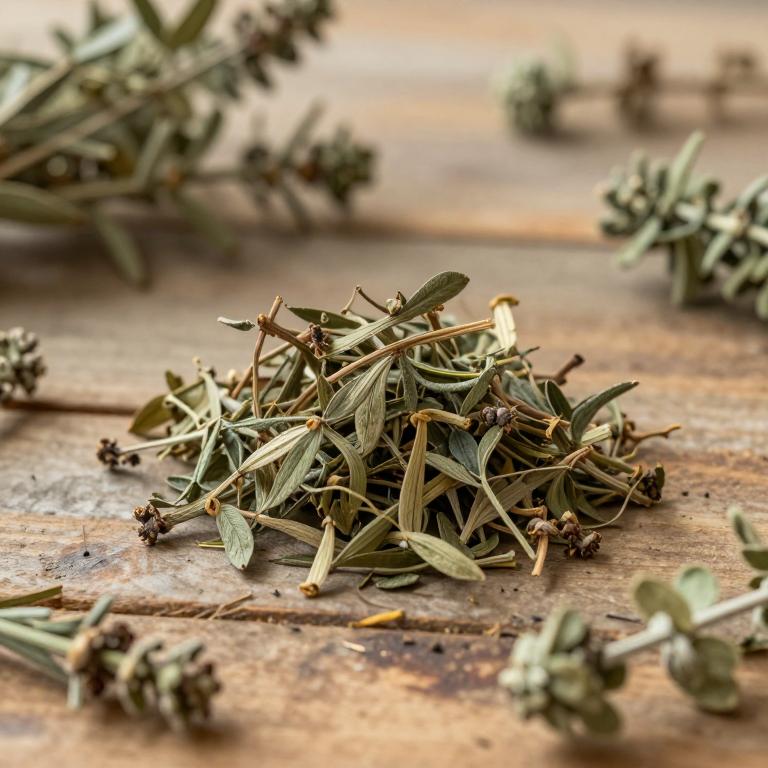
Isodon xerophilus, scientifically known as Isodon xerophilus, is a remarkable medicinal plant valued for its unique therapeutic properties. Traditionally utilized in various folk remedies, this species offers significant bioactive compounds. Understanding its chemical profile and ecological significance is essential for exploring its potential in modern pharmacological developments and herbal treatments.
- Family
- Lamiaceae
- Native range
- Asia-Temperate
- Parts used
- Leaf
- Common names
- Not available
- Scientific synonyms
- Rabdosia Xerophila
Names and Synonyms
Scientific Names
Accepted name
Isodon xerophilusSynonyms
- Rabdosia xerophila
Sources: Wikidata
Taxonomical Classification
This plant belongs to the kingdom Plantae within the phylum Streptophyta and the class Equisetopsida. It is further classified under the subclass Magnoliidae and the order Lamiales, falling into the family Lamiaceae. Finally, its taxonomic hierarchy concludes with the genus Isodon.
| Rank | Classification |
|---|---|
| Kingdom | Plantae |
| Phylum | Streptophyta |
| Class | Equisetopsida |
| Subclass | Magnoliidae |
| Order | Lamiales |
| Family | Lamiaceae |
| Genus | Isodon |
Sources: The World Checklist of Vascular Plants (WCVP)
Distribution
This plant, known scientifically as Isodon xerophilus, possesses a very specific and limited range of occurrence. Its natural habitat is primarily confined to the regions of South-Central China. Within this geographical zone, it thrives in particular environmental niches that support its growth. Because it is localized to this specific area, it is considered an endemic species to that part of the country. Understanding this distribution is essential for the conservation and study of the species in its native environment.
| Region | Area |
|---|---|
| China | China South-Central |
Sources: The World Checklist of Vascular Plants (WCVP)
Botanical Identification
Life history
The life history of Isodon xerophilus is characterized by a distinct growth strategy defined by its classification as a chamaphyte, a life form that enables it to thrive in specific ecological niches where seasonal survival is critical. As a chamaphyte, the plant maintains its perennating buds at or very near the soil surface, a structural adaptation that provides protection against environmental stressors such as extreme temperature fluctuations or desiccation. This life history strategy allows the species to navigate its habitat by balancing the structural stability of a more robust perennial with the resilience needed to endure periods of dormancy. By positioning its regenerative tissues close to the ground, Isodon xerophilus can rapidly exploit favorable growing conditions when they arise, ensuring its long-term persistence within its native range through this specialized survival mechanism.
- Life form :
- chamaephyte
Morphology
The morphology of Isodon xerophilus is characterized by a specialized growth habit where it functions as a self-supporting climber, utilizing its structural framework to ascend without requiring a host for nutrient extraction. Despite its climbing nature, the plant maintains an independent life cycle, functioning as a non-parasitic organism that does not rely on other plants for sustenance. Furthermore, it is classified as a terrestrial species rather than an epiphyte, meaning it establishes its root system and grows within the soil of its natural habitat instead of residing upon the branches of other trees.
- Climber :
- self-supporting
- Epiphyte :
- terrestrial
- Parasite :
- independent
Sources: Global Inventory of Floras and Traits (GIFT)
Plant Parts
Isodon xerophilus has 1 reported plant parts identified across 1 scientific publications and several other databases that are studied for medicinal purposes. The most consistently reported plant part include leaf.
| Plant part | Supporting sources | Consensus |
|---|---|---|
| Leaf | 1 supporting sources | ★☆☆☆☆ |
Leaf
- Journal of natural products
Chemicals
Isodon xerophilus has 1 reported phytochemicals identified across 1 scientific publications and several other databases. The most consistently reported chemicals include Macrocalin B.
| Chemical | Supporting sources | Consensus |
|---|---|---|
| Macrocalin B | 1 supporting sources | ★☆☆☆☆ |
Macrocalin B
- Journal of natural products