Isodon wightii
Isodon wightii · Accepted scientific name
Scientific literature: Very Sparse (4 studies) · ★☆☆☆☆
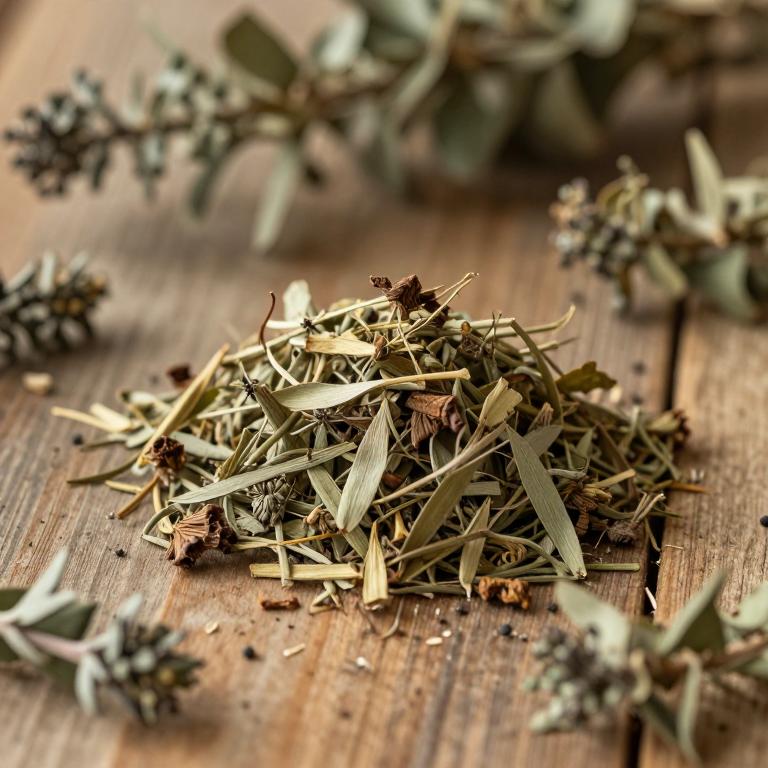
, scientifically known as Isodon wightii, is a rare tropical hardwood tree native to the Caribbean. Beyond its value in fine woodworking, this species holds significant ethnobotanical importance. Traditionally, various parts of the plant have been utilized in regional folk medicine to treat ailments, offering a unique intersection of forestry and pharmacology.
- Family
- Lamiaceae
- Native range
- Asia-Tropical
- Parts used
- Not available
- Common names
- Not available
- Scientific synonyms
- Plectranthus Pulneyensis · Rabdosia Wightii · 1 more
Names and Synonyms
Scientific Names
Accepted name
Isodon wightiiSynonyms
- Plectranthus pulneyensis
- Rabdosia wightii
- Plectranthus nepetifolius
Sources: Wikidata
Taxonomical Classification
This plant belongs to the kingdom Plantae and is classified under the phylum Streptophyta and the class Equisetopsida. Within the subclass Magnoliidae, it is organized under the order Lamiales and the family Lamiaceae. Its specific taxonomic identification is completed by the genus Isodon.
| Rank | Classification |
|---|---|
| Kingdom | Plantae |
| Phylum | Streptophyta |
| Class | Equisetopsida |
| Subclass | Magnoliidae |
| Order | Lamiales |
| Family | Lamiaceae |
| Genus | Isodon |
Sources: The World Checklist of Vascular Plants (WCVP)
Distribution
This plant is primarily recognized for its specific presence within the Indian Subcontinent. Within this vast region, its documented distribution is centered in India. It thrives in the particular ecological conditions found across various parts of the country. Understanding this localized range is essential for studying its natural habitat and availability. Consequently, India serves as a key geographical hub for this medicinal species.
| Region | Area |
|---|---|
| Indian Subcontinent | India |
Sources: The World Checklist of Vascular Plants (WCVP)
Activities
Isodon wightii has 3 reported activities identified across 0 scientific publications and several other databases. The most consistently reported activities include Antiacetylcholinesterase, Antioxidant, Apoptotic.
| Activity | Supporting sources | Consensus |
|---|---|---|
| Antiacetylcholinesterase | 1 supporting sources | ★☆☆☆☆ |
| Antioxidant | 1 supporting sources | ★☆☆☆☆ |
| Apoptotic | 1 supporting sources | ★☆☆☆☆ |
Antiacetylcholinesterase
- Natural product research
Antioxidant
- Natural product research
Apoptotic
- Natural product research
Conditions
Isodon wightii has 1 reported investigations on conditions identified across 0 scientific publications and several other databases. The most consistently reported conditions include cancer.
| Condition | Supporting sources | Consensus |
|---|---|---|
| Cancer | 1 supporting sources | ★☆☆☆☆ |
Cancer
- Natural product research