Isodon parvifolius
Isodon parvifolius · Accepted scientific name
Scientific literature: Very Sparse (13 studies) · ★☆☆☆☆
Isodon parvifolium, scientifically known as Isodon parvifolium, is a rare deciduous shrub native to the southeastern United States. Often referred to as smallleaf isoetes, this botanical specimen is valued for its unique structural characteristics. While primarily studied for its ecological role, it holds potential interest in traditional medicinal research.
- Family
- Lamiaceae
- Native range
- Asia-Temperate
- Parts used
- Leaf
- Common names
- Not available
- Scientific synonyms
- Plectranthus Parvifolius · Caryopteris Parvifolia · 3 more
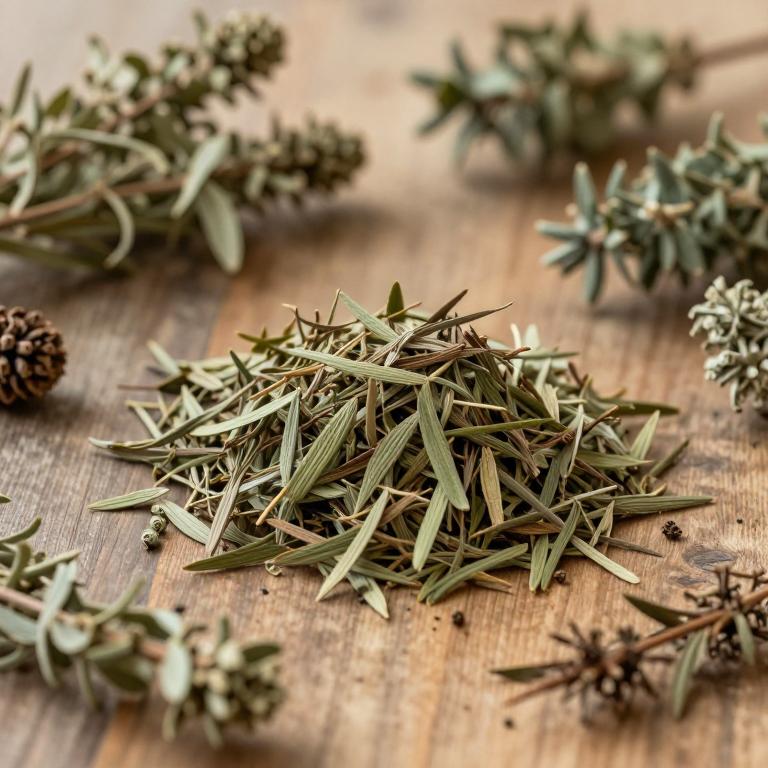
Names and Synonyms
Scientific Names
Accepted name
Isodon parvifoliusSynonyms
- Plectranthus parvifolius
- Caryopteris parvifolia
- Plectranthus discolor
- Isodon discolor
- Rabdosia parvifolia
Sources: Wikidata
Taxonomical Classification
This plant, Isodon parvifolius, belongs to the kingdom Plantae and the phylum Streptophyta. It is classified under the class Equisetopsida and the subclass Magnoliidae, falling within the order Lamiales and the family Lamiaceae. Finally, it is categorized under the genus Isodon.
| Rank | Classification |
|---|---|
| Kingdom | Plantae |
| Phylum | Streptophyta |
| Class | Equisetopsida |
| Subclass | Magnoliidae |
| Order | Lamiales |
| Family | Lamiaceae |
| Genus | Isodon |
Sources: The World Checklist of Vascular Plants (WCVP)
Distribution
This plant exhibits a wide-ranging distribution across several key regions of China. It is commonly found throughout the South-Central part of the country. Additionally, its presence extends into the North-Central provinces of China. The species can also be located within the high-altitude terrains of Tibet. Together, these areas define the primary geographical range of Isodon parvifolius.
| Region | Area |
|---|---|
| China | China South-Central |
| China | China North-Central |
| China | Tibet |
Sources: The World Checklist of Vascular Plants (WCVP)
Botanical Identification
Life history
The life history of Isoodon parvifolius is characterized by its classification as a phanerophyte, meaning its perennating buds are borne on aerial shoots well above the ground, allowing it to maintain a robust woody structure through various seasonal changes. While it primarily functions as a phanerophyte to establish its structural presence in its habitat, its growth patterns and survival strategies within specific ecological niches can occasionally reflect characteristics associated with other life forms, such as the nanophanerophyte, depending on the height and density of its woody stems. This plant follows a perennial life cycle, investing significant energy into the development of its woody tissues to ensure long-term survival and reproductive success within its native environment.
- Life form :
- nanophanerophyte
- Life form :
- phanerophyte
Morphology
The morphology of Isodon parvifolius is characterized by its growth habit as a woody plant that functions as a self-supporting climber, meaning it possesses the structural integrity to ascend without being an obligatory or facultative parasite. It is an independent organism that does not rely on a host for nutrients, maintaining a terrestrial life form rather than acting as an epiphyte. Its structural development is defined by a woody stem architecture that supports its climbing mechanism, allowing it to navigate its environment through its specialized woody tissue.
- Climber :
- self-supporting
- Epiphyte :
- terrestrial
- Parasite :
- independent
- Woodiness :
- woody
Sources: Global Inventory of Floras and Traits (GIFT)
Plant Parts
Isodon parvifolius has 1 reported plant parts identified across 2 scientific publications and several other databases that are studied for medicinal purposes. The most consistently reported plant part include leaf.
| Plant part | Supporting sources | Consensus |
|---|---|---|
| Leaf | 2 supporting sources | ★☆☆☆☆ |
Leaf
- Chemistry & biodiversity
- Journal of natural products
Chemicals
Isodon parvifolius has 11 reported phytochemicals identified across 2 scientific publications and several other databases. The most consistently reported chemicals include Adenolin E, Effusanin A, Effusanin B, Effusanin E, Lasiodonin.
| Chemical | Supporting sources | Consensus |
|---|---|---|
| Adenolin E | 1 supporting sources | ★☆☆☆☆ |
| Effusanin A | 1 supporting sources | ★☆☆☆☆ |
| Effusanin B | 1 supporting sources | ★☆☆☆☆ |
| Effusanin E | 1 supporting sources | ★☆☆☆☆ |
| Lasiodonin | 1 supporting sources | ★☆☆☆☆ |
| Lushanrubescensin F | 1 supporting sources | ★☆☆☆☆ |
| Parvifoline AA | 1 supporting sources | ★☆☆☆☆ |
| Parvifoliside | 1 supporting sources | ★☆☆☆☆ |
| Rabdoternin G | 1 supporting sources | ★☆☆☆☆ |
| Shikokianin | 1 supporting sources | ★☆☆☆☆ |
Adenolin E
- Journal of natural products
Effusanin A
- Journal of natural products
Effusanin B
- Journal of natural products
Effusanin E
- Journal of natural products
Lasiodonin
- Journal of natural products
Lushanrubescensin F
- Journal of natural products
Parvifoline AA
- Chemistry & biodiversity
Parvifoliside
- Journal of natural products
Rabdoternin G
- Journal of natural products
Shikokianin
- Journal of natural products
Preparations
Isodon parvifolius has 1 reported preparations identified across 2 scientific publications and several other databases. The most consistently reported preparations include leaves.
| Preparation | Supporting sources | Consensus |
|---|---|---|
| Leaves | 2 supporting sources | ★☆☆☆☆ |
Leaves
- Chemistry & biodiversity
- Journal of natural products