Isodon macrophyllus
Isodon macrophyllus · Accepted scientific name
Scientific literature: Very Sparse (3 studies) · ★☆☆☆☆
, scientifically known as Isodon macrophyllus, is a remarkable medicinal plant native to tropical regions. Often referred to as "Mahogany-leaf," it is highly valued in traditional medicine for its diverse therapeutic properties. This species is frequently studied for its potential bioactive compounds, offering promising insights into natural healing practices.
- Family
- Lamiaceae
- Native range
- Asia-Temperate
- Parts used
- Leaf
- Common names
- Not available
- Scientific synonyms
- Amethystanthus Macrophyllus · Rabdosia Macrophylla · 1 more
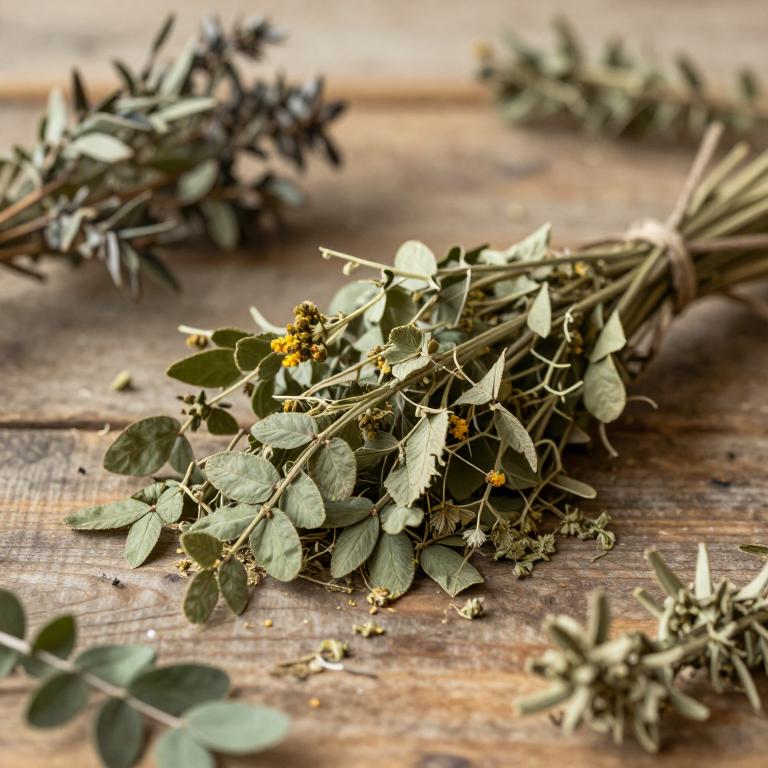
Names and Synonyms
Scientific Names
Accepted name
Isodon macrophyllusSynonyms
- Amethystanthus macrophyllus
- Rabdosia macrophylla
- Rabdosia macrophylla f. qingliangfenensis
Sources: Wikidata
Taxonomical Classification
This plant, known scientifically as Isodon macrophyllus, belongs to the kingdom Plantae and the phylum Streptophyta. Within the class Equisetopsida and subclass Magnoliidae, it is classified under the order Lamiales and the family Lamiaceae. It is further categorized under the genus Isodon.
| Rank | Classification |
|---|---|
| Kingdom | Plantae |
| Phylum | Streptophyta |
| Class | Equisetopsida |
| Subclass | Magnoliidae |
| Order | Lamiales |
| Family | Lamiaceae |
| Genus | Isodon |
Sources: The World Checklist of Vascular Plants (WCVP)
Distribution
This plant is native to a specific region within East Asia. Its geographical distribution is primarily concentrated in China. More specifically, it can be found throughout the Southeast portion of the country. This localized range defines the natural habitat where the species flourishes. Consequently, its occurrence is tied to the unique environmental conditions of Southeast China.
| Region | Area |
|---|---|
| China | China Southeast |
Sources: The World Checklist of Vascular Plants (WCVP)
Botanical Identification
Life history
The life history of Isodon macrophyllus is characterized by a complex developmental strategy that transitions through various structural stages, ultimately categorized under the life form spectrum as a phaenophytic species, though it exhibits nuances within the broader classification of nanophanophytes, chamaephytes, hemicryptophytes, geophytes, hydrophytes, helophytes, therophytes, and lithophytes depending on environmental stressors. As a perennial woody species, its primary life cycle is defined by a phanerophyte habit, where the majority of its photosynthetic tissue is located on permanent branches elevated well above the ground level. The life history begins with seed germination in moist, well-drained alluvial soils, followed by a period of establishment where the seedling develops a robust root system to secure nutrients and moisture. As the plant matures, it undergoes significant secondary growth, developing a substantial trunk and a broad canopy of large, compound leaves that maximize light interception for photosynthesis. The reproductive phase involves the production of flowers that facilitate sexual reproduction, leading to the development of drupe-like fruits. Throughout its lifespan, the plant must navigate seasonal shifts, relying on its perennial woody structure to endure dormancy during unfavorable conditions, while its physiological processes are finely tuned to the hydrologic cycles of its native riparian or bottomland habitats.
- Life form :
- chamaephyte
Morphology
The morphology of Isodon macrophyllus is characterized by its specific growth habit and ecological positioning. It functions as a self-supporting climber, utilizing its structural development to ascend without relying on external hosts for physical support. The plant is non-parasitic and remains entirely independent, meaning it does not derive nutrients or water from other living organisms to sustain its physiological processes. Furthermore, it is a terrestrial species rather than an epiphyte, establishing its root systems within the soil to secure stability and access essential nutrients from the ground.
- Climber :
- self-supporting
- Epiphyte :
- terrestrial
- Parasite :
- independent
Sources: Global Inventory of Floras and Traits (GIFT)
Plant Parts
Isodon macrophyllus has 1 reported plant parts identified across 1 scientific publications and several other databases that are studied for medicinal purposes. The most consistently reported plant part include leaf.
| Plant part | Supporting sources | Consensus |
|---|---|---|
| Leaf | 1 supporting sources | ★☆☆☆☆ |
Leaf
- Zhong yao cai = Zhongyaocai = Journal of Chinese medicinal materials
Chemicals
Isodon macrophyllus has 2 reported phytochemicals identified across 1 scientific publications and several other databases. The most consistently reported chemicals include Rabdophyllin H, Rabdosinate.
| Chemical | Supporting sources | Consensus |
|---|---|---|
| Rabdophyllin H | 1 supporting sources | ★☆☆☆☆ |
| Rabdosinate | 1 supporting sources | ★☆☆☆☆ |
Rabdophyllin H
- Zhong yao cai = Zhongyaocai = Journal of Chinese medicinal materials
Rabdosinate
- Zhong yao cai = Zhongyaocai = Journal of Chinese medicinal materials
Preparations
Isodon macrophyllus has 1 reported preparations identified across 1 scientific publications and several other databases. The most consistently reported preparations include EtOAc extract of leaves.
| Preparation | Supporting sources | Consensus |
|---|---|---|
| Etoac extract of leaves | 1 supporting sources | ★☆☆☆☆ |
Etoac extract of leaves
- Zhong yao cai = Zhongyaocai = Journal of Chinese medicinal materials