Isodon lungshengensis
Isodon lungshengensis · Accepted scientific name
Scientific literature: Very Sparse (24 studies) · ★☆☆☆☆
, scientifically known as Isodon lungshengensis, is a remarkable medicinal plant native to tropical regions. Valued for its unique phytochemical properties, this species plays a vital role in traditional healing practices. Understanding its bioactive compounds offers promising insights into developing new therapeutic treatments for various health conditions in modern medicine.
- Family
- Lamiaceae
- Native range
- Asia-Temperate
- Parts used
- Leaf
- Common names
- Not available
- Scientific synonyms
- Rabdosia Lungshengensis
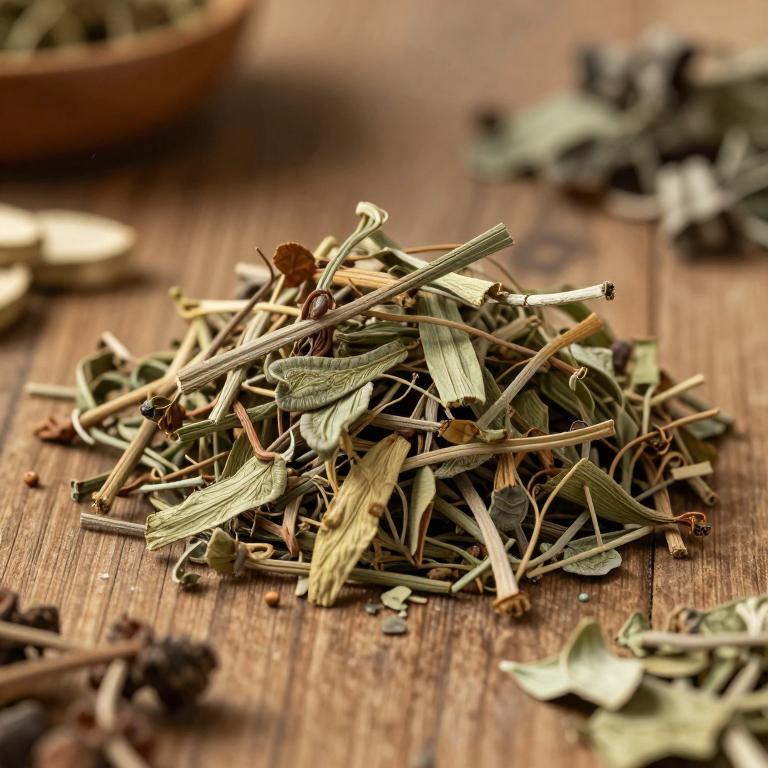
Names and Synonyms
Scientific Names
Accepted name
Isodon lungshengensisSynonyms
- Rabdosia lungshengensis
Sources: Wikidata
Taxonomical Classification
This plant belongs to the kingdom Plantae and is classified within the phylum Streptophyta and the class Equisetopsida. It falls under the subclass Magnoliidae and the order Lamiales, specifically within the family Lamiaceae. Finally, it is categorized under the genus Isodon, representing the species Isodon lungshengensis.
| Rank | Classification |
|---|---|
| Kingdom | Plantae |
| Phylum | Streptophyta |
| Class | Equisetopsida |
| Subclass | Magnoliidae |
| Order | Lamiales |
| Family | Lamiaceae |
| Genus | Isodon |
Sources: The World Checklist of Vascular Plants (WCVP)
Distribution
This plant is specifically found within a limited geographical range in East Asia. Its distribution is primarily concentrated in the southeastern regions of China. Within these specific areas, it thrives in the unique environmental conditions provided by the landscape. Because its habitat is so localized, it is considered a regional species rather than a widespread one. Consequently, the southeastern provinces of China serve as its primary natural stronghold.
| Region | Area |
|---|---|
| China | China Southeast |
Sources: The World Checklist of Vascular Plants (WCVP)
Botanical Identification
Life history
The life history of Isodon lungshengensis is characterized by its distinct vegetative structure and survival strategy, classified under the life form categories of both hemicrypte and nanophanerophyte. As a hemicrypte, the plant's perennating buds are located at or very near the soil surface, allowing it to endure seasonal environmental shifts by protecting its regenerative tissues close to the ground level. This growth habit is complemented by its status as a nanophanerophyte, indicating a life cycle where the plant maintains small, woody stems that stay relatively low to the earth but are sufficient to support its seasonal development. Through these specific life forms, the species manages a perennial existence, balancing structural stability with the ability to re-emerge effectively following dormant periods.
- Life form :
- hemicryptophyte
Morphology
The morphology of Isodon lungshengensis is characterized by its distinct growth habit and ecological positioning. The plant functions as a self-supporting climber, utilizing its structural form to ascend without requiring external hosts for primary stability. It is an independent organism, exhibiting a non-parasitic nature that allows it to maintain its own metabolic processes without relying on a host plant for nutrients. Furthermore, it is a terrestrial species, growing in soil rather than functioning as an epiphyte, which establishes its primary biological niche within the ground-level ecosystem.
- Climber :
- self-supporting
- Epiphyte :
- terrestrial
- Parasite :
- independent
Sources: Global Inventory of Floras and Traits (GIFT)
Plant Parts
Isodon lungshengensis has 1 reported plant parts identified across 1 scientific publications and several other databases that are studied for medicinal purposes. The most consistently reported plant part include leaf.
| Plant part | Supporting sources | Consensus |
|---|---|---|
| Leaf | 1 supporting sources | ★☆☆☆☆ |
Leaf
- Journal of natural products
Chemicals
Isodon lungshengensis has 9 reported phytochemicals identified across 1 scientific publications and several other databases. The most consistently reported chemicals include Inflexin, Lungshengenin A, Lungshengenin B, Lungshengenin C, Lungshengenin D.
| Chemical | Supporting sources | Consensus |
|---|---|---|
| Inflexin | 1 supporting sources | ★☆☆☆☆ |
| Lungshengenin A | 1 supporting sources | ★☆☆☆☆ |
| Lungshengenin B | 1 supporting sources | ★☆☆☆☆ |
| Lungshengenin C | 1 supporting sources | ★☆☆☆☆ |
| Lungshengenin D | 1 supporting sources | ★☆☆☆☆ |
| Lungshengenin E | 1 supporting sources | ★☆☆☆☆ |
| Lungshengenin F | 1 supporting sources | ★☆☆☆☆ |
| Lungshengenin G | 1 supporting sources | ★☆☆☆☆ |
| Lushanrubescinsin C | 1 supporting sources | ★☆☆☆☆ |
Inflexin
- Journal of natural products
Lungshengenin A
- Journal of natural products
Lungshengenin B
- Journal of natural products
Lungshengenin C
- Journal of natural products
Lungshengenin D
- Journal of natural products
Lungshengenin E
- Journal of natural products
Lungshengenin F
- Journal of natural products
Lungshengenin G
- Journal of natural products
Lushanrubescinsin C
- Journal of natural products
Activities
Isodon lungshengensis has 1 reported activities identified across 1 scientific publications and several other databases. The most consistently reported activities include Cytotoxic.
| Activity | Supporting sources | Consensus |
|---|---|---|
| Cytotoxic | 1 supporting sources | ★☆☆☆☆ |
Cytotoxic
- Journal of natural products