Isodon interruptus
Isodon interruptus · Accepted scientific name
Scientific literature: Very Sparse (0 studies) · ★☆☆☆☆
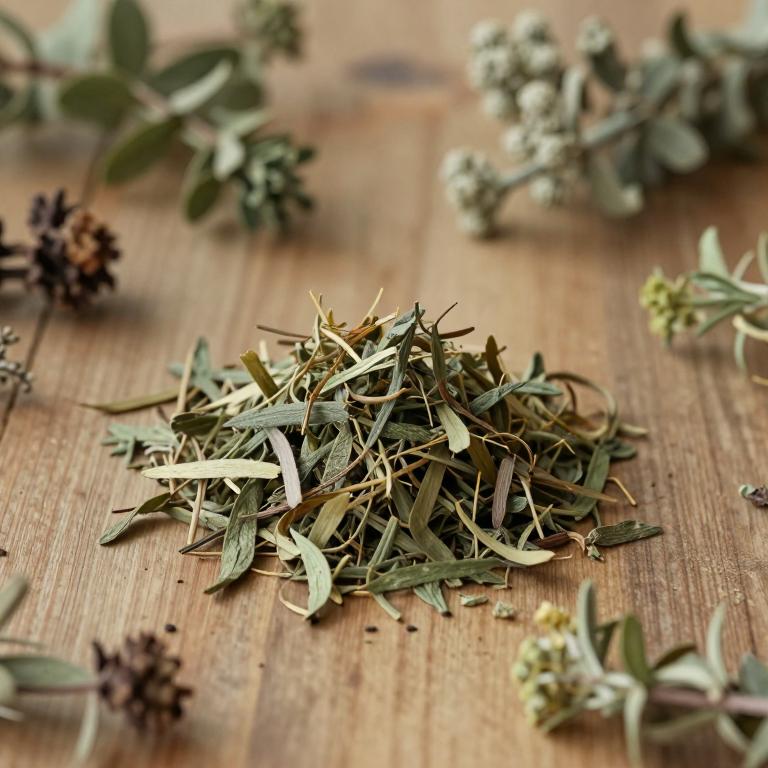
Isodon interruptus is a distinctive shrub species known for its unique botanical characteristics. One of its most defining features is the structure of its leaf, which serves as a key identifier for the plant. These leaves contribute significantly to the overall texture and visual appeal of its foliage. Understanding the specific morphology of the leaf is essential for accurate field identification. This plant remains a subject of interest for those studying diverse floral ecosystems.
- Synonyms
- Isodon Kunmingensis · Rabdosia Interrupta · 1 more
- Common names
- Not available
- Family
- Lamiaceae
- Distribution
- Southern America
- Plant Parts
- Leaf
Classification
Synonyms
Isodon interruptus is a botanical species that is frequently identified by several different scientific names in various taxonomic records. Within many herbarium collections, it is recognized by the synonym Isodon kunmingensis. Researchers may also encounter this plant documented under the name Rabdosia interrupta. Additionally, the classification Rabdosia kunmingensis serves as another valid synonym for this particular plant. Understanding these overlapping designations is essential for accurate botanical identification and study.
Sources: The World Checklist of Vascular Plants (WCVP)
Taxonomy
Isodon interruptus is a distinctive species belonging to the kingdom Plantae. Within this vast botanical world, it is classified under the class Equisetopsida. This plant is a member of the order Lamiales, showcasing its specific evolutionary lineage. Furthermore, it falls under the family Lamiaceae, which connects it to many well-known aromatic herbs. Finally, it is defined by its unique placement within the genus Isodon.
| Rank | Classification |
|---|---|
| Kingdom | Plantae |
| Phylum | Streptophyta |
| Class | Equisetopsida |
| Subclass | Magnoliidae |
| Order | Lamiales |
| Family | Lamiaceae |
| Genus | Isodon |
Sources: The World Checklist of Vascular Plants (WCVP)
Distribution
Geographic Regions
Isodon interruptus is a plant species primarily found within the temperate regions of Asia. Its geographic distribution is notably concentrated throughout various parts of China, specifically spanning the South-Central provinces. This localized presence suggests that the species thrives under the specific climatic conditions characteristic of these central territories. By mapping its range, botanists can better understand the environmental requirements necessary for its continued growth. Consequently, studying its habitat provides valuable insights into the biodiversity of the Chinese landscape.
Sources: The World Checklist of Vascular Plants (WCVP)
Identification
Morphology
Isodon interruptus is a self-supporting plant that maintains its own structure without the need for external support.
Sources: Global Inventory of Floras and Traits (GIFT)
Biological Activities
Compounds
Conditions
Preparations
Parts used
Isodon interruptus is a medicinal plant that serves as a valuable source of bioactive chemical constituents. During recent scientific investigations, researchers specifically focused on the leaves of this species to isolate unique compounds. This process led to the discovery of two new diterpenes, known as kunminolide A and rabdokunmin F. Structural analysis of these leaf-derived substances was conducted using advanced spectroscopic methods and X-ray crystallography. Ultimately, these findings highlight the plant's potential due to the chemopreventive and cytotoxic activities demonstrated by these new molecules.