bush morning glory
Ipomoea · Accepted scientific name
Scientific literature: Very Sparse (11 studies) · ★☆☆☆☆
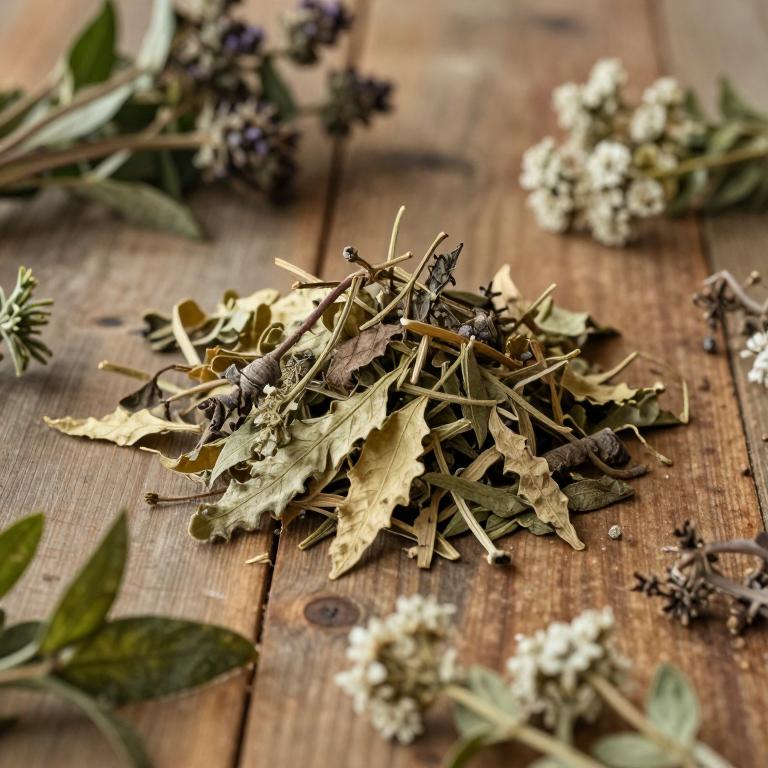
Bush morning glory, scientifically known as Ipomoea, is a versatile climbing plant celebrated for its vibrant, trumpet-shaped blooms. Beyond its ornamental beauty, various species possess significant medicinal properties, traditionally used in herbal remedies to treat inflammation, digestive issues, and skin ailments, making it a vital resource in ethnobotany.
Names and Synonyms
Common Names
- morning glory
- morning-glory
- morning-glories
Scientific Names
Accepted name
IpomoeaSynonyms
- Macrostemma
- Modesta
- Exallosis
- Adamboe
- Elythrostamna
- Convolvuloides
- Isypus
- Quamoclit
- Bonanox
- Stomadena
- Cleiemera
- Leptocallis
- Batatas
- Latrienda
- Acmostemon
- Fraxima
- Cleiostoma
- Exogonium
- Gynoisa
- Turbina
- Quamoclita
- Doxema
- Dimerodiscus
- Tirtalia
- Tereietra
- Tremasperma
- Apopleumon
- Saccia
- Coiladena
- Lariospermum
- Calboa
- Melascus
- Calonyction
- Plesiagopus
- Calycanthemum
- Pharbitis
- Bombycospermum
- Parasitipomoea
- Kolofonia
- Pentacrostigma
- Ornithosperma
- Amphione
- Nil
- Neorthosis
- Diatrema
- Navipomoea
- Diatremis
- Mina
- Legendrea
- Morenoa
- Exocroa
- Clitocyamos
Regional and Traditional Names
Spanish:
- Acmostemon
- Exogonium
- Dimerodisus
- Parasitipomoea
- Diatremis
- Calonyction
- Batatas
- Calycantherum
- Bonanox
German:
- Prunkwinden
- Prachtwinde
- Prachtwinden
- Mondblume
- Trichterwinden
- Prunkwinde
- Trichterwinde
- Ipomea
- Prunkwinde
- Prunkwinden
French:
- Gloire du matin
- ipomée
- Ipomées
Sources: Wikidata, Catalogue of Life
Taxonomical Classification
This plant belongs to the kingdom Plantae and the phylum Streptophyta, falling under the class Equisetopsida and subclass Magnoliidae. Within the order Solanales, it is classified under the family Convolvulaceae. Finally, its specific taxonomic designation is the genus Ipomoea.
| Rank | Classification |
|---|---|
| Kingdom | Plantae |
| Phylum | Streptophyta |
| Class | Equisetopsida |
| Subclass | Magnoliidae |
| Order | Solanales |
| Family | Convolvulaceae |
| Genus | Ipomoea |
Sources: The World Checklist of Vascular Plants (WCVP)
Distribution
This plant exhibits a diverse geographical distribution across several European regions. In Northern Europe, its presence can be documented in Great Britain. Moving into Middle Europe, it is found within the borders of Austria, Belgium, and Germany. Additionally, the species extends into Southwestern Europe, specifically reaching the Baleares. Together, these locations highlight the plant's varied range across the continent.
| Region | Area |
|---|---|
| Northern Europe | Great Britain |
| Middle Europe | Austria |
| Middle Europe | Belgium |
| Middle Europe | Germany |
| Southwestern Europe | Baleares |
| Southwestern Europe | Corse |
| Southwestern Europe | France |
| Southwestern Europe | Portugal |
| Southwestern Europe | Spain |
| Southeastern Europe | Bulgaria |
Sources: The World Checklist of Vascular Plants (WCVP)
Plant Parts
Ipomoea has 1 reported plant parts identified across 1 scientific publications and several other databases that are studied for medicinal purposes. The most consistently reported plant part include root.
| Plant part | Supporting sources | Consensus |
|---|---|---|
| Root | 1 supporting sources | ★☆☆☆☆ |
Root
- Journal of ethnopharmacology
Activities
Ipomoea has 3 reported activities identified across 1 scientific publications and several other databases. The most consistently reported activities include Laxative, Purgative, Cytotoxic.
| Activity | Supporting sources | Consensus |
|---|---|---|
| Laxative | 3 supporting sources | ★★☆☆☆ |
| Purgative | 3 supporting sources | ★★☆☆☆ |
| Cytotoxic | 1 supporting sources | ★☆☆☆☆ |
Laxative
- Journal of ethnopharmacology
- Current topics in medicinal chemistry
- Journal of natural products
Purgative
- Journal of ethnopharmacology
- Current topics in medicinal chemistry
- Journal of natural products
Cytotoxic
- Journal of ethnopharmacology
Conditions
Ipomoea has 3 reported investigations on conditions identified across 1 scientific publications and several other databases. The most consistently reported conditions include bowel movements, laxative, snakebite.
| Condition | Supporting sources | Consensus |
|---|---|---|
| Bowel movements | 1 supporting sources | ★☆☆☆☆ |
| Laxative | 1 supporting sources | ★☆☆☆☆ |
| Snakebite | 1 supporting sources | ★☆☆☆☆ |
Bowel movements
- Journal of ethnopharmacology
Laxative
- Current topics in medicinal chemistry
Snakebite
- Journal of ethnopharmacology